
“Gaza Is Our Show”: U.S. Pushes Its Plan Over Netanyahu's Objections
Tensions rise as Washington asserts its strategy for Gaza, challenging Israeli Prime Minister Benjamin Netanyahu’s approach.

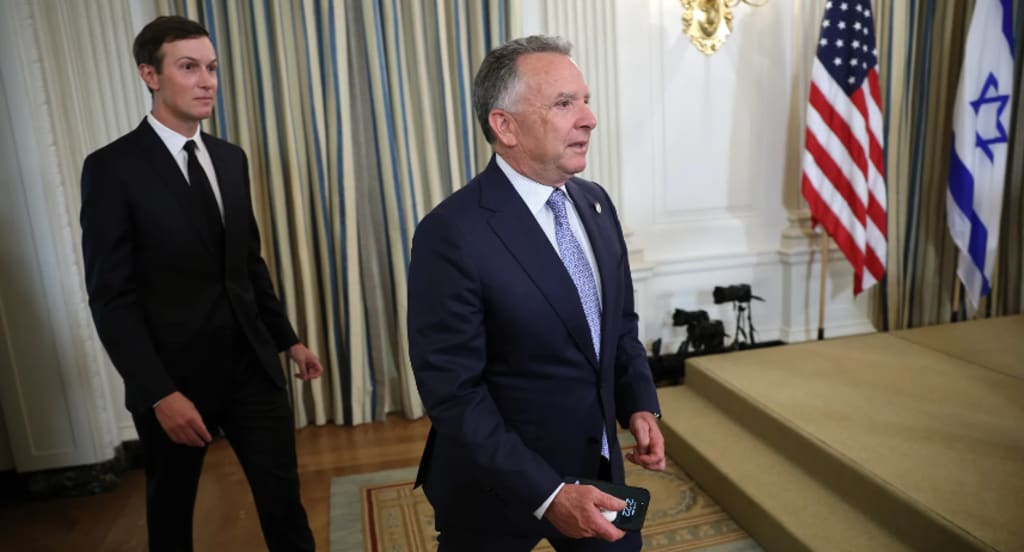
The long-standing conflict in Gaza has entered a new and tense chapter. Recent reports indicate that the United States is pushing its own plan for Gaza, despite objections from Israeli Prime Minister Benjamin Netanyahu. The development underscores the complex dynamics between the U.S. and Israel, two countries often seen as close allies, and highlights the challenges of diplomacy in a region marked by decades of conflict, political fragmentation, and humanitarian crises.
The phrase “Gaza is our show,” reportedly used by senior U.S. officials, reflects Washington’s determination to assert leadership in shaping the future of Gaza, even when it means overriding the preferences of Netanyahu and his government.
What the U.S. Plan Entails
Details of the U.S. strategy remain somewhat opaque, but insiders suggest the plan focuses on stabilization, humanitarian aid, and a long-term political framework in Gaza. The goals appear to be:
Containing Violence: Reducing rocket attacks, militant activity, and clashes along the Gaza-Israel border.
Humanitarian Support: Expanding aid access to Gaza’s population, including food, medical care, and infrastructure rebuilding.
Political Engagement: Encouraging a framework for governance that limits Hamas’s influence while supporting civil institutions.
Regional Coordination: Working with Egypt, Qatar, and other stakeholders to implement policies on the ground.
U.S. officials have emphasized that their approach is not aimed at undermining Israel’s security, but rather at creating conditions that reduce the risk of escalating conflict while promoting long-term stability.
Netanyahu’s Objections
Israeli Prime Minister Benjamin Netanyahu has reportedly pushed back against Washington’s plan, citing concerns over national security. Key points of objection include:
Risk to Israeli Security: Netanyahu’s government argues that loosening restrictions or empowering certain factions in Gaza could embolden Hamas and other militant groups.
Sovereignty Issues: There is a sense in Israel that foreign intervention in Gaza management could compromise Israel’s strategic control over its borders.
Timing and Approach: Netanyahu believes that some elements of the U.S. plan may be premature or misaligned with Israel’s on-the-ground intelligence.
These disagreements highlight the delicate balance between U.S. diplomatic ambitions and Israel’s security priorities, a tension that has existed for decades but is now playing out more publicly.
Why Washington Is Asserting Its Role
The U.S. push reflects a broader strategy in the Middle East: asserting diplomatic leadership while preventing regional instability from escalating into broader conflict. Several factors motivate this approach:
Humanitarian Imperative: Gaza faces acute humanitarian challenges, including water scarcity, electricity shortages, and medical crises. U.S. policymakers argue that proactive engagement can prevent further suffering.
Geopolitical Signaling: By asserting control over the plan, Washington demonstrates its influence in the region to allies and rivals alike.
Preventing Escalation: With tensions in the Middle East already high, the U.S. aims to manage the situation to avoid broader conflicts that could draw in multiple nations.
Senior U.S. officials reportedly view the situation as a “window of opportunity” to implement reforms and stabilization measures before violence spirals out of control.
Regional and International Implications
The U.S.-Israel tension over Gaza has ripple effects across the region. Several dynamics are worth noting:
Egypt and Qatar: Both countries play critical roles in mediating between Israel and Hamas. U.S. involvement may bolster or complicate their efforts, depending on coordination.
Palestinian Authority (PA): The PA, which governs parts of the West Bank, has limited influence in Gaza but remains a key stakeholder in U.S. and Israeli calculations.
Other Regional Players: Countries like Iran, Turkey, and Saudi Arabia are closely monitoring developments, as shifts in Gaza governance could alter regional alliances and proxy dynamics.
Internationally, Washington’s assertive stance signals to the global community that it seeks to shape Gaza’s future rather than leaving it entirely to local actors—a move that may attract both support and criticism.
The Humanitarian Angle
Beyond politics, the situation in Gaza has a profound human impact. The U.N. reports that the Gaza Strip faces significant challenges:
Over 2 million residents live under extreme conditions.
Access to clean water and electricity is intermittent.
Health facilities are overstretched, particularly amid conflicts and blockades.
The U.S. plan reportedly emphasizes increasing humanitarian aid and infrastructure support, signaling that Washington recognizes the urgency of addressing civilian needs alongside political objectives.
Risks and Challenges
Implementing the U.S. plan is not without obstacles. Key challenges include:
Hamas Resistance: The governing faction in Gaza may resist measures perceived as undermining their authority.
Israeli Security Concerns: Any perceived weakening of Israel’s control over Gaza could heighten tension and trigger clashes.
Regional Skepticism: Neighboring countries may view U.S. intervention as self-serving or biased.
Domestic Politics: In both the U.S. and Israel, political divisions may complicate policy implementation.
These risks mean that the plan’s success hinges on careful diplomacy, clear communication, and the ability to balance security with humanitarian and political objectives.
Why This Matters
The U.S.-Israel tension over Gaza reflects broader patterns in Middle East policy:
Shifting U.S. Influence: Washington is demonstrating that it still has a central role in mediating regional conflicts, even as local actors push back.
Complex Diplomacy: The incident illustrates how humanitarian, security, and political concerns intersect in conflict zones.
Future of Gaza: How this plan is implemented could influence Gaza’s governance, the balance of power among Palestinian factions, and long-term stability in the region.
For observers, the unfolding situation is a reminder that even close allies like the U.S. and Israel can diverge sharply on strategy, and that civilian populations are often caught in the middle of these disputes.
Final Thoughts
The phrase “Gaza is our show” underscores the United States’ determination to take the lead in shaping Gaza’s future, even amid objections from Netanyahu. While the plan may aim to stabilize the region and improve humanitarian conditions, it also highlights the challenges of navigating security, politics, and diplomacy simultaneously.
As the situation develops, all eyes will be on Washington and Jerusalem, watching how the U.S. asserts its influence, how Israel responds, and whether the plan can achieve its goals without escalating conflict. The stakes are high—not just for political leaders, but for the millions of civilians living under difficult and often dangerous conditions in Gaza.
About the Creator
Muhammad Hassan
Muhammad Hassan | Content writer with 2 years of experience crafting engaging articles on world news, current affairs, and trending topics. I simplify complex stories to keep readers informed and connected.
Keep reading
More stories from Muhammad Hassan and writers in The Swamp and other communities.
Japan Nuclear Agency Worker Loses Phone with Confidential Data in China
In a concerning development for nuclear security and international data management, a worker from Japan’s nuclear agency reportedly lost a phone containing confidential information while traveling in China. The incident has sparked alarm among policymakers, cybersecurity experts, and the global nuclear oversight community, highlighting the risks of sensitive data exposure in an era of digital mobility. Although the full details of the lost device and its contents have not been publicly disclosed, sources suggest the data could include technical information about nuclear facilities, safety protocols, and possibly classified operational details. The breach raises serious questions about protocols for handling sensitive information abroad and the potential geopolitical implications. What Happened According to reports, the employee—whose name has not been released—was traveling in China when the phone went missing. It is unclear whether the loss was accidental, such as a misplaced device or theft, but the fact that the device contained confidential data has made the incident highly sensitive. Japan’s nuclear agency has confirmed the incident internally and is reportedly investigating the scope of the potential breach. Officials are assessing whether the lost data could pose risks to national security, facility safety, or international partnerships. Potential Risks of the Data Loss Losing a device with confidential nuclear data is a serious security concern. Experts warn of several potential risks: National Security Exposure: Technical and operational information about nuclear facilities could be exploited by malicious actors if it falls into the wrong hands. Cybersecurity Threats: Even if the device is encrypted, the possibility of cracking or extracting information from the phone remains. International Relations: Given that the phone was lost in China, there could be diplomatic sensitivities, especially if foreign authorities gain access to sensitive material. Operational Safety: Any exposure of procedural or design information could compromise the safety and security protocols of nuclear installations. While there is no evidence yet that the data has been accessed or leaked, the incident underscores the vulnerability of mobile devices as carriers of highly sensitive information. Japan’s Response Japanese authorities are reportedly taking multiple steps to contain the situation: Internal Investigation: The nuclear agency is conducting a review to determine what data was on the device and how critical it is. Enhanced Security Measures: Officials are evaluating whether current data protection protocols were adequate and whether additional safeguards are necessary. Diplomatic Coordination: Japan may engage in discreet diplomatic channels to ensure the incident does not escalate into an international security concern. Employee Training: The case may lead to stricter rules for carrying sensitive devices abroad, including mandatory encryption, remote wipe capabilities, and secure transport protocols. A spokesperson for the agency emphasized that protecting nuclear information remains a top priority and that the agency is “taking all necessary measures to assess and mitigate any potential risks.” Why This Matters The incident is significant for several reasons. First, it highlights the increasing vulnerability of sensitive data in the digital age, particularly when employees travel internationally. Phones, laptops, and portable storage devices are convenient but inherently risky for handling classified information. Second, it reflects the high stakes of nuclear information security. Unlike financial or corporate data, nuclear data can have severe consequences if exposed, ranging from facility sabotage risks to geopolitical tensions. Third, it underscores the need for international standards on nuclear data protection. While countries maintain internal security protocols, there is often limited guidance for employees traveling abroad with sensitive information. The lost phone in China could serve as a wake-up call for broader discussions about secure practices and global cooperation. International and Cybersecurity Implications Cybersecurity experts note that this incident could have broader implications beyond Japan. In an interconnected world, the loss of a single mobile device can create ripple effects, particularly if sophisticated adversaries attempt to extract information. Some key considerations include: Data Encryption and Remote Wipe: Ensuring devices are encrypted and can be wiped remotely is essential for mitigating potential breaches. Employee Risk Awareness: Employees carrying sensitive information must understand the stakes and follow strict protocols. Cross-Border Security Challenges: Traveling with confidential data introduces complications, including potential exposure to foreign surveillance or theft. China’s role in this case may also be scrutinized, though there is no suggestion that the country is involved in malicious activity. Nonetheless, the geopolitical sensitivities surrounding nuclear technology mean that even accidental losses can have diplomatic consequences. Lessons for Agencies and Corporations While this incident involves nuclear data, the lessons apply to any organization handling sensitive information: Minimize Mobile Storage: Only carry what is necessary, and avoid storing sensitive material on mobile devices whenever possible. Strict Encryption: Devices containing sensitive data should use the highest level of encryption and multi-factor authentication. Travel Protocols: Agencies should implement strict policies for employees traveling internationally, including secure transport methods and pre-approved routes. Rapid Response Plans: Having a clear response plan in case of data loss ensures quick mitigation and minimizes potential fallout. Looking Ahead The Japan nuclear agency’s phone incident is likely to prompt a re-evaluation of security protocols not just in Japan, but internationally. Agencies and corporations alike will be reminded of the inherent risks in combining mobility with sensitive data. For Japan, the priority will be ensuring the data has not been accessed, preventing similar incidents, and maintaining public confidence in nuclear safety. For the global community, the event is a stark reminder that even seemingly small security lapses can carry serious consequences. Final Thoughts The loss of a phone containing confidential nuclear data in China is a cautionary tale for the digital age. It illustrates how human error, device vulnerability, and international travel intersect to create potential security risks. While the full implications of the incident remain under investigation, the case emphasizes the importance of robust cybersecurity measures, employee training, and international protocols. In a world where information travels faster than borders, even a single misplaced device can become a global concern. As authorities work to assess the damage and prevent further breaches, the incident will likely influence policies on sensitive data handling across industries, setting new standards for security in the nuclear sector—and beyond.
By Muhammad Hassana day ago in The Swamp
US Says Canada Will Regret Decision to Allow Chinese EVs Into Their Market
The global electric vehicle (EV) race is heating up, and Canada has just made a move that has caught the attention — and criticism — of its closest ally. The United States has warned that Canada may “regret” its decision to allow Chinese-made electric vehicles into its domestic market, a statement that underscores rising trade tensions, geopolitical rivalry, and fears over the future of North America’s auto industry.
By Aqib Hussain2 days ago in The Swamp


Comments
There are no comments for this story
Be the first to respond and start the conversation.