
How the Finished 2 Line Will Transform Daily Commutes Across Lake Washington
Seattle’s expanded light rail network promises faster travel, reduced congestion, and a new era of regional connectivity
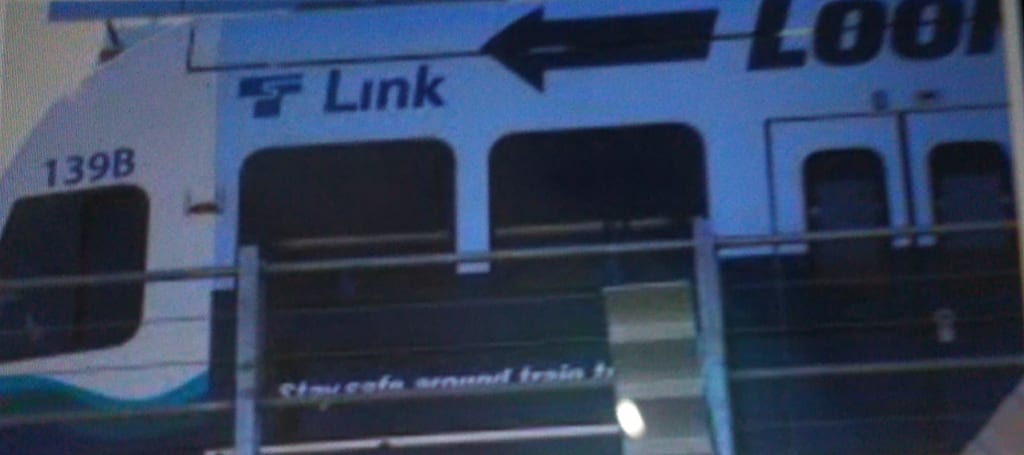
Transportation plays a critical role in shaping how people live, work, and move in a city. In the Seattle metropolitan area, Lake Washington has long been both a natural landmark and a commuting challenge, separating major population centers like Seattle, Bellevue, and Redmond. With the completion of the 2 Line of Sound Transit’s Link light rail system, daily commutes across Lake Washington are set to change dramatically. This new transit line represents more than just new tracks and trains—it signals a shift in mobility, urban planning, and lifestyle for thousands of residents.
What Is the 2 Line Light Rail?
The 2 Line is part of Sound Transit’s Link light rail expansion project, designed to connect Seattle with the Eastside suburbs. It links neighborhoods, job centers, and transit hubs across Lake Washington, providing an alternative to car-dependent travel.
The line connects key areas such as Bellevue, Redmond, and other Eastside communities, with future integration into Seattle’s broader transit network. Once fully operational, it will allow riders to travel seamlessly between major cities and employment centers without relying on congested highways.
Reducing Commute Times
One of the biggest impacts of the 2 Line will be shorter and more predictable commute times. Currently, drivers crossing Lake Washington rely heavily on bridges like SR-520 and I-90, which are notorious for traffic congestion, accidents, and weather-related delays.
Light rail offers a dedicated right-of-way, meaning trains are not affected by traffic jams. Commuters can expect consistent travel times regardless of road conditions. For many daily travelers, this could reduce commute times significantly and eliminate the stress of unpredictable traffic.
Less Traffic and Fewer Cars on the Road
By providing a reliable alternative to driving, the 2 Line is expected to reduce the number of cars crossing Lake Washington each day. Even a small shift from cars to public transit can have a noticeable impact on congestion.
Fewer vehicles on the road mean smoother traffic flow for those who still need to drive, such as delivery drivers, emergency vehicles, and people living in areas without direct transit access. Over time, this could make bridge crossings faster and safer for everyone.
Environmental Benefits
Transportation is one of the largest sources of greenhouse gas emissions in the United States. Expanding light rail across Lake Washington can help reduce emissions by encouraging people to switch from cars to electric-powered trains.
The 2 Line supports regional climate goals by promoting sustainable transportation. Fewer cars mean lower air pollution, reduced noise levels, and a smaller carbon footprint. For a region known for its environmental consciousness, this project aligns with long-term sustainability efforts.
Improved Access to Jobs and Education
The Eastside is home to major employers, including technology companies, corporate offices, and educational institutions. The 2 Line will make it easier for workers and students to travel between Seattle and Eastside cities without needing a car.
This improved connectivity can expand job opportunities for people who previously faced long or expensive commutes. Students can also benefit from easier access to campuses, internships, and educational resources across the region.
Economic Growth and Urban Development
Public transit often drives economic development, and the 2 Line is expected to attract new businesses and housing projects near stations. Transit-oriented development can create vibrant neighborhoods with shops, restaurants, and residential spaces within walking distance of stations.
Property values near light rail stations may increase as demand for convenient transit access grows. While this can boost local economies, it may also raise concerns about affordability and displacement, which policymakers will need to address.
Equity and Accessibility
The 2 Line has the potential to improve transportation equity by providing affordable mobility options for people who cannot or choose not to drive. Public transit can be more cost-effective than owning a car, especially for low-income households.
Accessible stations, frequent service, and integration with buses and other transit modes can help ensure that a wide range of residents benefit from the new line. This can contribute to a more inclusive transportation system across the region.
Challenges and Concerns
Despite its benefits, the 2 Line also faces challenges. Construction delays, cost overruns, and technical issues have been common in large infrastructure projects. Some residents worry about noise, visual impacts, and changes to neighborhood character.
Additionally, transit systems require ongoing funding for maintenance and operations. Ensuring reliable service will be essential for maintaining public trust and encouraging long-term ridership.
A Shift in Daily Lifestyle
For many commuters, the 2 Line could change daily routines. Instead of sitting in traffic, riders can use travel time to read, work, or relax. This shift can improve quality of life and reduce commuting stress.
Families may choose to live farther from workplaces if transit is convenient, reshaping housing patterns. Businesses may also adapt to new commuting patterns by offering flexible schedules and remote work options.
The Future of Regional Transportation
The completion of the 2 Line is part of a broader vision for a connected regional transit network. Future expansions will further integrate Seattle, the Eastside, and surrounding communities, creating a comprehensive system that supports population growth.
As cities continue to grow, investments in public transit are essential to prevent traffic congestion from worsening. The 2 Line serves as a model for how infrastructure projects can address modern urban challenges.
Conclusion
The finished 2 Line light rail across Lake Washington is poised to transform daily commutes in the Seattle region. By reducing travel times, easing congestion, improving environmental outcomes, and enhancing access to jobs and education, the line represents a major step forward in regional transportation.
While challenges remain, the benefits of a reliable, sustainable, and efficient transit system are clear. For commuters, the 2 Line offers a glimpse into a future where crossing Lake Washington is no longer a stressful drive but a smooth and predictable journey. As the region continues to evolve, this light rail expansion could redefine how people move, live, and connect across the Puget Sound area.
About the Creator
Can You Guess Our Screen Time? A Priest, Pensioner, Tech CEO, and Teenager Reveal All
Screen time: we all know it exists, but how much do we really spend staring at phones, laptops, tablets, and TVs? A recent informal look at people from very different walks of life—from a priest to a tech CEO—shows just how varied (and surprising) our screen habits can be. The answers reveal more than just numbers; they give a glimpse into modern life itself.
By Aarif Lashari4 days ago in The Swamp
Gold Continues to Surge: JPMorgan Sees a Scenario Where It Tops $8,000
Gold’s relentless rise has reignited one of the oldest debates in financial markets: how high can the world’s most trusted store of value really go? As prices continue to climb, analysts at JPMorgan have outlined an extreme but plausible long-term scenario in which gold could surge beyond $8,000 per ounce, a level that would once have seemed unthinkable.
By Salaar Jamali6 days ago in The Swamp


Comments
There are no comments for this story
Be the first to respond and start the conversation.