
How the Finished 2 Line Across Lake Washington Will Transform Daily Commutes
A Game‑Changing Transit Link That Reduces Congestion, Expands Access, and Reimagines Regional Travel
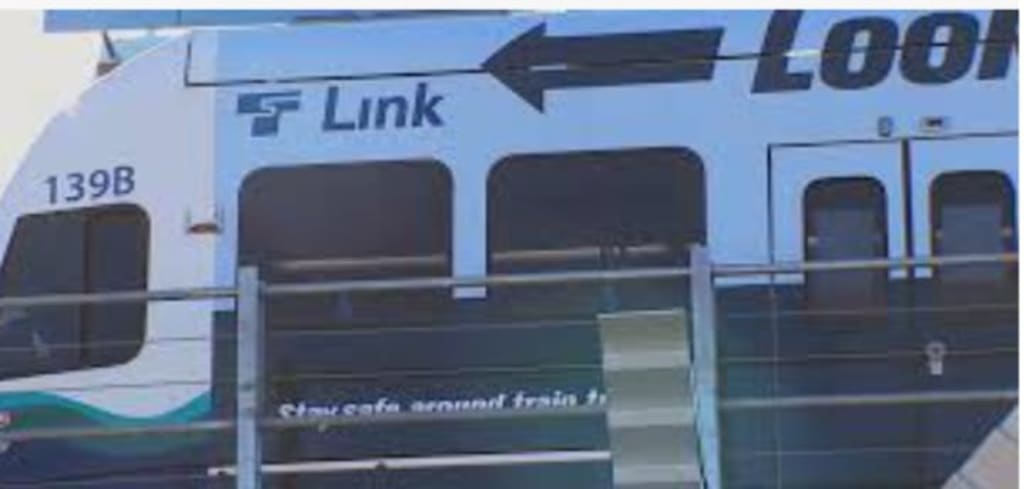
After years of planning, engineering, and construction, a transformative chapter in Pacific Northwest transit is about to begin. On March 28, 2026, Sound Transit’s long-awaited 2 Line Crosslake Connection will officially open to passengers, completing a continuous light rail link across Lake Washington that connects downtown Seattle, Mercer Island, Bellevue, and Redmond with the greater regional rail network.
This project isn’t just another transit extension — it’s a milestone that will reshape how tens of thousands of people live, work, and travel every day.
A Landmark in Regional Mobility
What makes this new light rail segment particularly significant isn’t just the miles of track or the stations it adds; it’s the fact that this line crosses one of the most congested commuting corridors in the Seattle metropolitan area — and does so in a way never attempted before.
The Link light rail 2 Line will traverse Lake Washington on the Homer M. Hadley Memorial Bridge, a floating bridge adapted for rail service. It’s a world-first effort in integrating high-capacity transit on a floating highway structure.
For commuters who have long endured bumper-to-bumper traffic on the parallel State Route 520 and Interstate 90 bridges, the 2 Line offers a reliable and scenic alternative. Daily drivers and bus riders alike have known all too well how heavy congestion, collisions, weather, and construction delays can stretch commutes well beyond an hour each way. The new light rail service gives them a predictable schedule, consistently bypassing the road traffic that plagues the region.
Faster, More Reliable Travel Across the Lake
One of the biggest advantages of the 2 Line is simply its reliability. Unlike buses, which can be stuck in the same traffic jams as cars, light rail trains run on dedicated tracks and fixed schedules.
This means that a trip from downtown Seattle to Bellevue or Redmond will no longer depend on the choke points of highway congestion. Riders can expect shorter and more predictable travel times even during peak hours — a massive shift for commuters whose schedules were once dictated by the ebb and flow of heavy cross-lake traffic.
Projected service frequency further enhances the line’s utility. Trains will run approximately every 8 minutes during peak hours at the new stations on the Crosslake segment, and combined service with the existing 1 Line will create headways as short as every 4 minutes through the busiest downtown segments. Evening and off-peak service will maintain robust frequency as well, ensuring that this option remains viable for a broad range of travelers throughout the day.
Easing Road Congestion — Even for Drivers
While light rail won’t eliminate road traffic altogether, planners believe it can significantly reduce the number of cars on the road — especially during rush hours.
Transportation officials expect thousands of commuters to shift from private vehicles to the 2 Line, especially those traveling between major job centers on the Eastside and residential neighborhoods in Seattle and beyond. Even a modest modal shift can have outsized effects on traffic flow, smoothing travel for drivers, buses, and emergency vehicles alike.
Importantly, this shift isn’t limited to commuters heading into downtown Seattle. The 2 Line connects multiple established and growing employment hubs, including Bellevue’s booming tech corridor and Redmond’s major corporate campuses. For many workers, the convenience and speed of light rail will make it an attractive alternative to sitting in congestion along SR-520 or I-90 every day.
Environmental and Quality-of-Life Benefits
Reduced reliance on personal vehicles also brings environmental benefits. Fewer cars on the road mean lower greenhouse gas emissions and better air quality across the region — outcomes that align with broader climate and sustainability goals.
Light rail’s electric propulsion systems produce no direct emissions at the point of operation, and as local and regional grids add more renewable energy, that benefit will only grow. Commuters themselves stand to enjoy improved quality of life. Less time behind the wheel can translate into more time with family, more opportunities for flexible scheduling, and reduced stress.
A more reliable commute can also help local employers by expanding the feasible labor pool — employees living farther from work might find rail travel a realistic option, opening up new job opportunities without forcing relocation.
Economic Impacts and Regional Connectivity
The 2 Line doesn’t just serve commuters; it bolsters economic connections across the region. With enhanced access between major cities and neighborhoods, businesses will likely see expanded customer reach and employee catchment areas. Retailers near stations may benefit from increased foot traffic, and real estate markets could adjust as transit-oriented development becomes more attractive.
The completion of the Crosslake Connection also fully integrates the 2 Line with the existing 1 Line, which runs north–south through Seattle and into neighboring counties. This integration creates a more seamless network that extends from Lynnwood in the north down through Federal Way in the south and out to the Eastside — a truly regional system that expands transportation equity and opportunity.
Engineering Challenges and Success
As impressive as the benefits are, they were not simple to achieve. Engineers and planners faced significant technical hurdles in adapting a floating bridge for safe and smooth light rail operation.
The unpredictable movement of the structure on the water required innovative solutions to ensure rail gauge stability, passenger comfort, and long-term structural resilience. Overcoming these challenges has not only delivered a critical piece of infrastructure but also placed Seattle at the forefront of transportation engineering innovation.
Looking Ahead: A New Normal for Commuting
With the 2 Line fully operational, daily life in the Puget Sound region is set for a shift. Commuters will gain a dependable alternative to gridlocked highways. Transit planners will have a powerful tool to manage regional growth. And residents will benefit from a more connected and sustainable transportation network.
In the long run, the success of this project could serve as a model for other regions grappling with similar traffic woes — proving that bold engineering, long-term planning, and public investment can deliver transformative change for daily commuters.
About the Creator
Keep reading
More stories from Ayesha Lashari and writers in The Swamp and other communities.
Pokémon Company Apologizes After Controversial Shrine Event Listing Triggers International Backlash
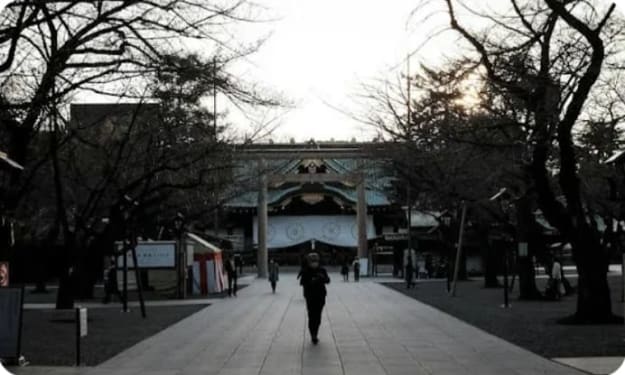
In late January 2026, what was supposed to be a fun Pokémon Trading Card Game (TCG) meet-up unexpectedly turned into an international controversy. The Pokémon Company issued a public apology after a planned event was linked to Yasukuni Shrine, one of Japan’s most controversial historical sites. How a Fun Event Turned Into a Flashpoint The Pokémon event, originally listed on the official website, was set to take place at Yasukuni Shrine—a Shinto shrine that honors Japan’s war dead, including over 1,000 individuals convicted of war crimes after World War II. What might have seemed like a neutral venue for a card game was immediately recognized as extremely insensitive, particularly by audiences in China, South Korea, and other nations affected by Japanese wartime actions. Social media quickly exploded with criticism, with many pointing out that the shrine is a symbol of historical trauma for millions of people. Pokémon’s Response The company quickly responded with a formal apology, stating that the event “should not have been held to begin with” and acknowledging that the listing appeared due to a mistake. Pokémon clarified that the event was privately planned by a certified player and mistakenly shared on the official website. Once the error was discovered, the listing was removed, and the event canceled. Pokémon promised to improve its review and approval process for future events, emphasizing that they would strive to avoid similar oversights. “We sincerely apologize for the reactions and opinions this caused,” the company said. “We will make every effort to ensure that such mistakes do not happen again.” Why Yasukuni Shrine Is Controversial To understand the backlash, it’s important to know the historical context. Yasukuni Shrine honors 2.4 million individuals, including Class-A war criminals from World War II. For many Japanese, the shrine is a solemn memorial. But for people in China, South Korea, and other East Asian countries, it is a painful reminder of Japan’s imperial past and wartime atrocities. Official visits by Japanese leaders often prompt diplomatic protests, and public events at the shrine are particularly sensitive. Global Backlash Chinese media and social platforms reacted strongly. State-linked outlets criticized the listing as “insensitive” and warned that brands perceived as disregarding historical sentiment could face market consequences. Online, Chinese users flooded platforms like Weibo, sharing outrage and demanding action. The incident quickly became a trending topic, showing how even seemingly small corporate oversights can escalate in the age of social media. The Broader Context The controversy didn’t occur in isolation. Japan-China relations have been tense recently due to territorial disputes and regional security concerns. Cultural and historical disagreements, including the symbolism of Yasukuni Shrine, often amplify small incidents into larger diplomatic issues. Even though the Pokémon event was organized by a fan and not the company itself, its appearance on an official Pokémon page lent it legitimacy and sparked international scrutiny. Lessons for Pokémon and Other Global Brands This episode is a reminder for multinational brands that global audiences are diverse, and historical sensitivity matters. Pokémon’s swift apology and cancellation of the event demonstrate accountability, but companies need to go further: Stricter event screening: Ensure all public listings are carefully reviewed for cultural and historical sensitivity. Cultural awareness: Consult experts when organizing events in politically or historically sensitive locations. Global perspective: Remember that decisions in one market can have ripple effects worldwide. For a company like Pokémon, which connects fans across generations and cultures, understanding these nuances is crucial. Reflections for Fans For Pokémon fans, this controversy may come as a surprise. The franchise is built around friendship, adventure, and fun—concepts that seem far removed from geopolitics. Yet, in today’s interconnected world, even entertainment cannot exist in a vacuum. Fans are reminded that companies carry social responsibility, especially when operating in historically sensitive contexts. Conclusion What started as a simple card game meetup became a lesson in global brand management and historical awareness. Pokémon’s apology and event cancellation show that even beloved brands must navigate geopolitical sensitivities carefully. The incident serves as a reminder: when history, culture, and business intersect, there’s no room for oversight. For Pokémon, this misstep is a chance to reinforce its commitment to inclusivity, awareness, and the global fan community.
By Ayesha Lashari5 days ago in The Swamp
Why Black History Matters in America?
The United States of America is celebrating their 250th anniversary in 2026. I'm proud to be an American and as someone who was born here, I wouldn't imagine myself living anywhere else. This is a country where opportunities are possible. Where anyone can be successful in anything they desire to do. Equality, community, and togetherness are the backbones of what America is and should be about. However, we have an administration who wants to erase and disregard those who have made positive, meaningful impacts in our country, specifically Black figures, such as Martin Luther King, Jr., Rosa Parks, and Maya Angelou. President Trump and his administration have been constantly complaining and fighting against what they call the "Woke agenda". They use this excuse as a distraction from other issues they refuse to address, such as the high cost of living, climate change, and inflation. That equality is dividing America, when in reality, it's bringing us together. Being woke is not tied to a specific political party. No matter where you stand on the political spectrum, you can still care about other people and their plights. Compassion and empathy for others isn't tied to a political party, either. We were taught as children to treat others the way we want to be treated and not judge others because they're different from us. Caring about others isn't a personal attack on your beliefs. It doesn't make you any less of a person. People who are easily offended over African American figures, past or present, or anything related to it, are grasping at straws. Current and future generations need to know who people like Harriet Tubman and Shirley Chisholm were, especially in the classroom. Black History is part of American History. It should be recognized, not hidden or forgotten. Besides, you can't shield children from everything, just because your feelings are easily hurt.
By Mark Wesley Pritchard 7 days ago in The Swamp
United States Autonomous Vehicles Market Size & Forecast 2026–2034
Introduction: A New Era of Mobility Takes Shape The United States is standing at the edge of a transportation revolution. Autonomous vehicles—once considered science fiction—are rapidly becoming a practical reality on American roads. Powered by advances in artificial intelligence, sensor technologies, high-performance computing, and vehicle connectivity, self-driving systems are reshaping how people and goods move across the country.
By shibansh kumar2 days ago in The Swamp
Public Announcement Challenge Winners
For the Public Announcement Challenge, writers were asked to work inside voices built for control. These were notices, warnings, and updates meant to inform rather than confess. The strongest entries committed to that form and didn't break from it. Corporate memos, formal government alerts, and internal policy language were held consistently, allowing emotion, fear, grief, or humor to surface indirectly through pressure rather than declaration. The following poems recognize the voice of authority, and let human feeling slip through despite all its rules and restraint.
By Vocal Curation Team2 days ago in Resources



Comments
There are no comments for this story
Be the first to respond and start the conversation.