
Pokémon Company Apologizes After Controversial Shrine Event Listing Triggers International Backlash
How a mistaken event listing at Tokyo’s Yasukuni Shrine sparked diplomatic tension, sharp criticism from China, and a corporate apology from one of gaming’s biggest brands
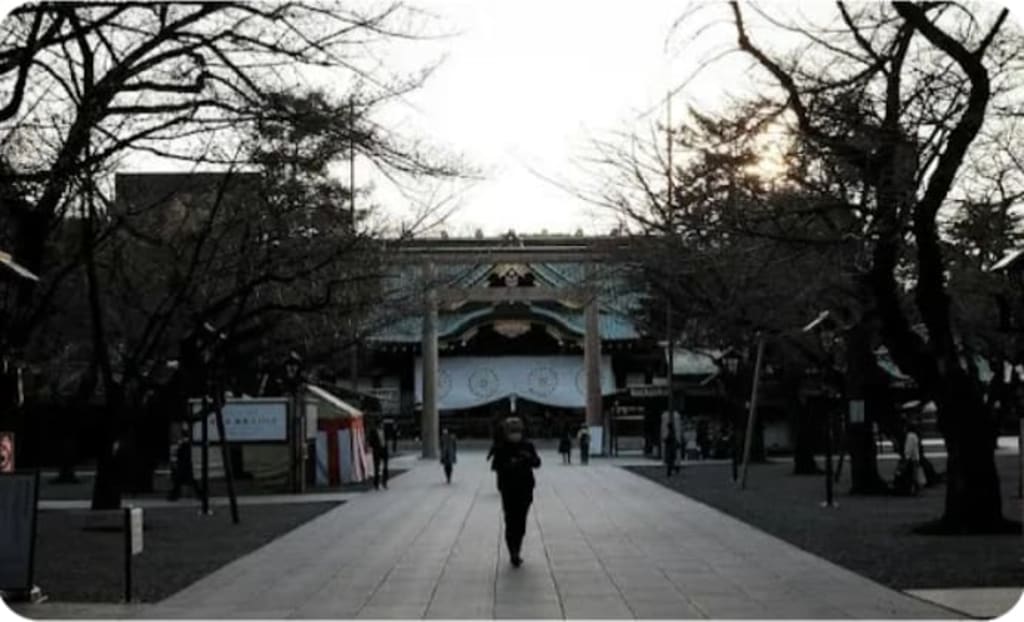
In late January 2026, what was supposed to be a fun Pokémon Trading Card Game (TCG) meet-up unexpectedly turned into an international controversy. The Pokémon Company issued a public apology after a planned event was linked to Yasukuni Shrine, one of Japan’s most controversial historical sites.
How a Fun Event Turned Into a Flashpoint
The Pokémon event, originally listed on the official website, was set to take place at Yasukuni Shrine—a Shinto shrine that honors Japan’s war dead, including over 1,000 individuals convicted of war crimes after World War II.
What might have seemed like a neutral venue for a card game was immediately recognized as extremely insensitive, particularly by audiences in China, South Korea, and other nations affected by Japanese wartime actions. Social media quickly exploded with criticism, with many pointing out that the shrine is a symbol of historical trauma for millions of people.
Pokémon’s Response
The company quickly responded with a formal apology, stating that the event “should not have been held to begin with” and acknowledging that the listing appeared due to a mistake. Pokémon clarified that the event was privately planned by a certified player and mistakenly shared on the official website.
Once the error was discovered, the listing was removed, and the event canceled. Pokémon promised to improve its review and approval process for future events, emphasizing that they would strive to avoid similar oversights.
“We sincerely apologize for the reactions and opinions this caused,” the company said. “We will make every effort to ensure that such mistakes do not happen again.”
Why Yasukuni Shrine Is Controversial
To understand the backlash, it’s important to know the historical context. Yasukuni Shrine honors 2.4 million individuals, including Class-A war criminals from World War II.
For many Japanese, the shrine is a solemn memorial. But for people in China, South Korea, and other East Asian countries, it is a painful reminder of Japan’s imperial past and wartime atrocities. Official visits by Japanese leaders often prompt diplomatic protests, and public events at the shrine are particularly sensitive.
Global Backlash
Chinese media and social platforms reacted strongly. State-linked outlets criticized the listing as “insensitive” and warned that brands perceived as disregarding historical sentiment could face market consequences.
Online, Chinese users flooded platforms like Weibo, sharing outrage and demanding action. The incident quickly became a trending topic, showing how even seemingly small corporate oversights can escalate in the age of social media.
The Broader Context
The controversy didn’t occur in isolation. Japan-China relations have been tense recently due to territorial disputes and regional security concerns. Cultural and historical disagreements, including the symbolism of Yasukuni Shrine, often amplify small incidents into larger diplomatic issues.
Even though the Pokémon event was organized by a fan and not the company itself, its appearance on an official Pokémon page lent it legitimacy and sparked international scrutiny.
Lessons for Pokémon and Other Global Brands
This episode is a reminder for multinational brands that global audiences are diverse, and historical sensitivity matters. Pokémon’s swift apology and cancellation of the event demonstrate accountability, but companies need to go further:
Stricter event screening: Ensure all public listings are carefully reviewed for cultural and historical sensitivity.
Cultural awareness: Consult experts when organizing events in politically or historically sensitive locations.
Global perspective: Remember that decisions in one market can have ripple effects worldwide.
For a company like Pokémon, which connects fans across generations and cultures, understanding these nuances is crucial.
Reflections for Fans
For Pokémon fans, this controversy may come as a surprise. The franchise is built around friendship, adventure, and fun—concepts that seem far removed from geopolitics.
Yet, in today’s interconnected world, even entertainment cannot exist in a vacuum. Fans are reminded that companies carry social responsibility, especially when operating in historically sensitive contexts.
Conclusion
What started as a simple card game meetup became a lesson in global brand management and historical awareness. Pokémon’s apology and event cancellation show that even beloved brands must navigate geopolitical sensitivities carefully.
The incident serves as a reminder: when history, culture, and business intersect, there’s no room for oversight. For Pokémon, this misstep is a chance to reinforce its commitment to inclusivity, awareness, and the global fan community.
About the Creator
Keep reading
More stories from Ayesha Lashari and writers in The Swamp and other communities.
Dow Rockets Over 500 Points as Markets Rally on Strong Economic Data and U.S.–India Trade Deal
The U.S. stock market opened February with a bang. On Monday, the Dow Jones Industrial Average surged over 500 points, while the S&P 500 closed just shy of its all-time high, fueled by strong manufacturing data and optimistic news on international trade. Meanwhile, oil and gold prices declined, reflecting a market still sensitive to global commodities trends.
By Ayesha Lashari5 days ago in The Swamp
Why Black History Matters in America?
The United States of America is celebrating their 250th anniversary in 2026. I'm proud to be an American and as someone who was born here, I wouldn't imagine myself living anywhere else. This is a country where opportunities are possible. Where anyone can be successful in anything they desire to do. Equality, community, and togetherness are the backbones of what America is and should be about. However, we have an administration who wants to erase and disregard those who have made positive, meaningful impacts in our country, specifically Black figures, such as Martin Luther King, Jr., Rosa Parks, and Maya Angelou. President Trump and his administration have been constantly complaining and fighting against what they call the "Woke agenda". They use this excuse as a distraction from other issues they refuse to address, such as the high cost of living, climate change, and inflation. That equality is dividing America, when in reality, it's bringing us together. Being woke is not tied to a specific political party. No matter where you stand on the political spectrum, you can still care about other people and their plights. Compassion and empathy for others isn't tied to a political party, either. We were taught as children to treat others the way we want to be treated and not judge others because they're different from us. Caring about others isn't a personal attack on your beliefs. It doesn't make you any less of a person. People who are easily offended over African American figures, past or present, or anything related to it, are grasping at straws. Current and future generations need to know who people like Harriet Tubman and Shirley Chisholm were, especially in the classroom. Black History is part of American History. It should be recognized, not hidden or forgotten. Besides, you can't shield children from everything, just because your feelings are easily hurt.
By Mark Wesley Pritchard 7 days ago in The Swamp
Today’s Wordle Sunday February 8 – Hints, Clues, and Answer for #1695
Wordle has become more than just a word game — it’s a daily ritual for millions of players across the globe. Every morning, people grab their phones, open the New York Times Wordle page, and take on the challenge of solving a five-letter mystery in six tries or less. If you’re here searching for today’s Wordle Sunday February 8, you’re in the right place. In this blog, we’ll walk through Wordle #1695 step by step. You’ll find gentle hints, clever clues, and — if you scroll far enough — the final answer. Whether you’re stuck on your last guess or just want to confirm your win, this guide has you covered. What Is Today’s Wordle? For those new to the game, Wordle is a daily word puzzle where players must guess a secret five-letter word. After each guess, tiles change color to show how close you are: Green means the letter is correct and in the right spot Yellow means the letter is in the word but in the wrong position Gray means the letter is not in the word at all On Sunday, February 8, Wordle puzzle #1695 presents a word that’s deceptively simple yet tricky enough to trip up players who overlook repeated letters. Today’s Wordle #1695 – Hints Without Spoilers If you’re not ready to see the answer yet, start with these spoiler-free hints. They’re designed to guide you without giving everything away. General Hints The word contains five letters It starts with the letter “E” There are two vowels in the word One letter appears twice The word is commonly used as both a verb and a noun Meaning-Based Clue The word means to fix something firmly into a surrounding surface or to place something deeply within something else. If you’re still guessing, think about words related to inserting, planting, or attaching something securely. Strategy Tips for Solving Today’s Puzzle Sunday Wordles can feel slightly more challenging, especially if the solution includes repeated letters. Many players subconsciously avoid guessing words with double letters early on, which can slow progress. Here’s how you could logically approach Wordle #1695: Start with a vowel-heavy word to identify common letters early Pay attention to tile feedback — yellow letters often give away the structure Don’t rule out repeated letters just because they didn’t appear in earlier guesses Think about word usage, not just spelling — Wordle often favors common everyday words If you noticed an early “E” showing up in green or yellow, that’s a strong signal in today’s puzzle.
By Jameel Jamaliabout 5 hours ago in The Swamp




Comments
There are no comments for this story
Be the first to respond and start the conversation.