
How Are China’s New War Games Around Taiwan Different From Earlier Drills?
Beijing’s latest drills are more realistic and strategically focused, signaling heightened pressure on Taiwan and the region
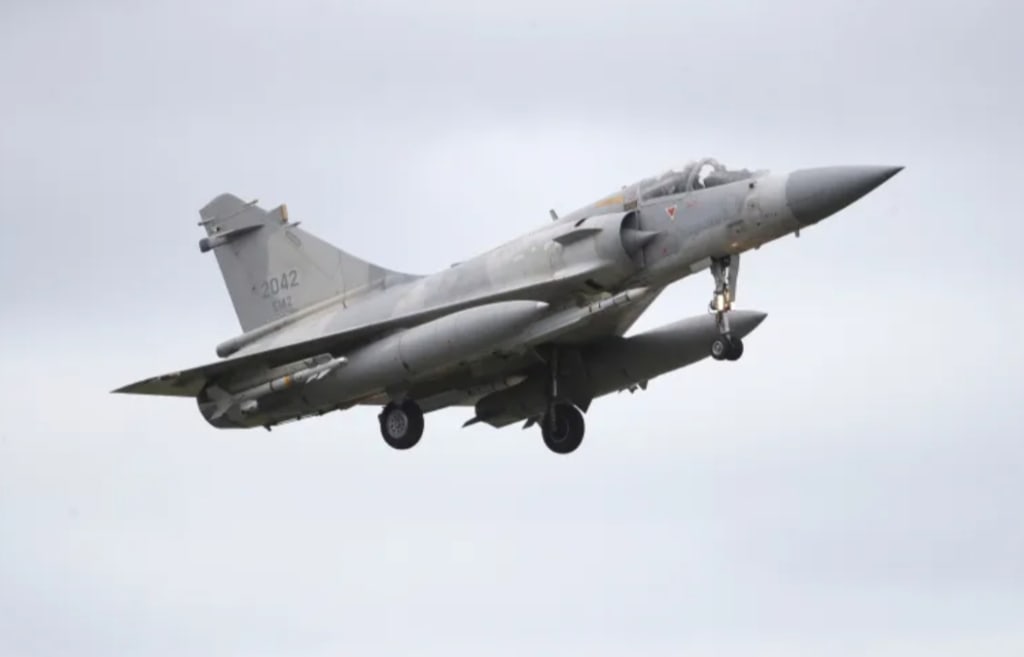
China’s recent war games around Taiwan have captured global attention, not because military drills in the region are new, but because these exercises look and feel fundamentally different from earlier ones. While Beijing has conducted drills near Taiwan for decades, the latest maneuvers suggest a strategic shift—one that raises fresh concerns about regional stability and the future of cross-strait relations.
From scale and location to messaging and intent, China’s newest war games mark a clear evolution in how it applies military pressure on Taiwan.
A Brief Look Back: Earlier Drills Around Taiwan
Historically, China’s military exercises near Taiwan were largely symbolic. Earlier drills typically served three main purposes:
Political signaling during sensitive moments, such as Taiwanese elections
Demonstrations of capability rather than rehearsal for real conflict
Limited geographic scope, often staying outside Taiwan’s immediate waters
These drills were designed to intimidate without provoking direct confrontation. Aircraft crossed median lines occasionally, naval vessels passed through nearby waters, and missile tests were announced well in advance.
While alarming, they still left room for diplomatic de-escalation.
What Makes the New War Games Different?
China’s most recent exercises represent a noticeable escalation in realism, coordination, and strategic intent.
Unlike earlier drills, these war games appear less theatrical and more operational—closer to what actual combat scenarios might look like.
Closer, Tighter, and More Encircling
One of the most striking differences is how close Chinese forces are operating to Taiwan.
Recent drills have involved:
Aircraft and naval vessels operating from multiple directions simultaneously
Exercises that resemble a partial encirclement of the island
Activity within zones that would be critical in a real blockade scenario
Earlier drills kept a symbolic distance. These new maneuvers reduce reaction time for Taiwan and send a message that China can rapidly isolate the island if it chooses to.
From Demonstration to Simulation
Another key change is the nature of the exercises themselves.
Previous drills often focused on single elements—air patrols, missile launches, or naval movements. The new war games integrate:
Air, sea, missile, and cyber elements
Joint operations across multiple military branches
Scenarios that simulate command-and-control under wartime conditions
This shift suggests China is no longer just showing strength—it is testing readiness and coordination, a critical step toward real military capability.
Messaging Has Become More Direct
China’s official language surrounding these drills has also hardened.
Earlier exercises were often framed as defensive or routine. Now, Beijing openly links its actions to political developments in Taiwan, particularly statements or elections that China views as pro-independence.
The message is clearer and less ambiguous:
These drills are not abstract training exercises—they are warnings.
This more explicit rhetoric reduces diplomatic wiggle room and increases pressure on Taiwan’s leadership.
A Response to International Involvement
Another major difference lies in who the drills are meant to signal to.
Earlier exercises were primarily aimed at Taiwan. The new war games appear equally directed at:
The United States
Japan and regional allies
Western nations increasing ties with Taipei
By conducting large-scale drills amid growing foreign engagement with Taiwan, China is asserting that external involvement will be met with military resistance.
This international dimension marks a significant evolution in Beijing’s strategy.
Psychological Pressure as a Strategic Tool
Beyond military capability, the latest drills serve a psychological purpose.
Constant aircraft incursions, naval patrols, and simulated strikes are designed to:
Wear down Taiwan’s defenses
Normalize Chinese military presence near the island
Create a sense of inevitability about reunification
Earlier drills were occasional shocks. Today’s war games feel like part of a sustained pressure campaign.
Why This Shift Matters
The difference between symbolic drills and realistic war simulations is not just academic—it has real-world consequences.
These new exercises:
Increase the risk of accidents or miscalculation
Shorten response times in a real crisis
Make de-escalation more difficult once tensions rise
For Taiwan, this means constant readiness. For the region, it means heightened uncertainty.
How Taiwan and the World Are Responding
Taiwan has responded cautiously, avoiding provocative language while strengthening defense readiness. Officials emphasize calm and resilience, while quietly coordinating with partners.
Internationally, reactions range from concern to condemnation. Many governments now view China’s drills not as routine behavior, but as part of a long-term strategy to reshape the regional balance of power.
Conclusion: A New Phase in Cross-Strait Tensions
China’s new war games around Taiwan are different because they are no longer just drills. They are integrated simulations, political statements, and psychological operations rolled into one.
While they stop short of open conflict, they blur the line between peace and preparation for war.
As Beijing refines its military posture and messaging, the space for misunderstanding grows smaller. The question is no longer whether China can pressure Taiwan—but how far it is willing to go, and how the world will respond if drills turn into something more.
About the Creator
Keep reading
More stories from Aarif Lashari and writers in The Swamp and other communities.
GUN HORROR: Brit, 29, Shot Dead in Popular Spanish Holiday Hotspot as Bullet-Riddled Body Found Near Resort
A peaceful Spanish holiday destination has been thrust into the international spotlight after the brutal killing of a 29-year-old British national. What should have been another quiet day near a popular resort area instead turned into a scene of gun horror, as authorities discovered the man’s bullet-riddled body inside a residence close to the tourist hotspot.
By Aarif Lashari19 days ago in The Swamp
Iran–US Live: Tension Lingers Amid Trump’s Threats, Tehran Reopens Airspace
Tension between Iran and the United States continued to dominate global headlines this week as fears of military escalation softened just enough for commercial flights to resume—but not enough to settle international anxieties. The situation underscores a volatile mix of domestic unrest, geopolitical brinkmanship, and diplomatic maneuvering in the Middle East. �
By Fiaz Ahmed Brohi3 days ago in The Swamp



Comments
There are no comments for this story
Be the first to respond and start the conversation.