
Iran–US Live: Tension Lingers Amid Trump’s Threats, Tehran Reopens Airspace
From tiny habits to mindset shifts, these book-loving tips make reading feel joyful—not overwhelming.”

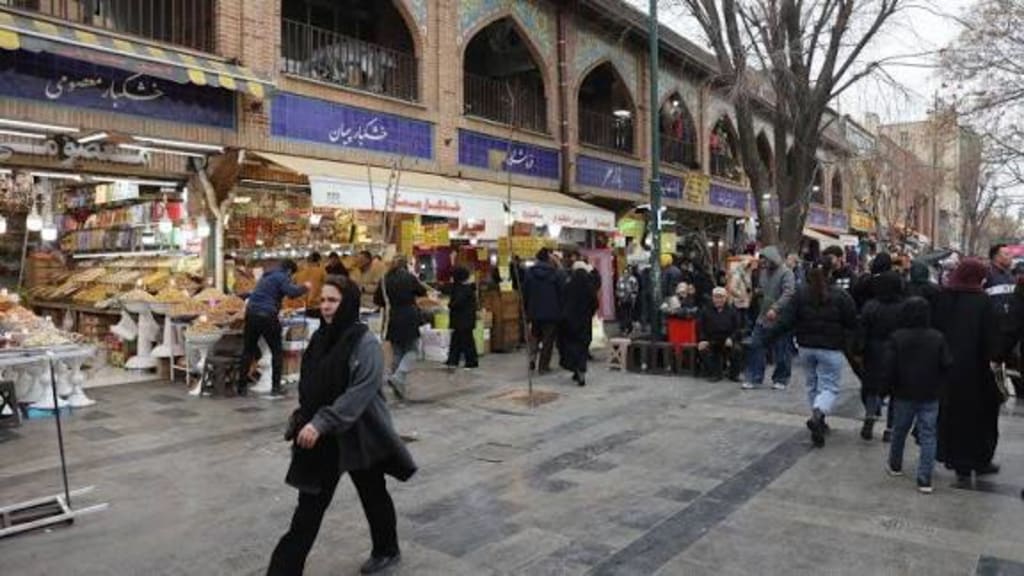
Tension between Iran and the United States continued to dominate global headlines this week as fears of military escalation softened just enough for commercial flights to resume—but not enough to settle international anxieties. The situation underscores a volatile mix of domestic unrest, geopolitical brinkmanship, and diplomatic maneuvering in the Middle East. �
Reuters +1
Airspace Closure and Reopening: Symbol of Heightened Alert
On January 14, Iran abruptly closed its airspace to most flights for nearly five hours, an unusual move that disrupted airline schedules and triggered flight rerouting across the region. Carriers such as India’s IndiGo and Air India, Russia’s Aeroflot, and regional operators had to delay, reroute, or cancel services while many Western airlines opted to avoid Iranian and neighboring Iraqi airspace entirely. Germany even issued advisory warnings to its carriers. �
Reuters +1
By early Thursday morning, Iranian authorities reopened the skies after the temporary shutdown. Flight tracking services showed several domestic airline flights returning to normal routes, marking a symbolic—but tentative—easing of immediate tension. �
Reuters
The closure was widely seen as a precaution in response to fears of possible military action between the U.S. and Iran, particularly following outspoken statements by U.S. leaders and deepening unrest within Iran itself. �
theguardian.com
Domestic Unrest: Protests and Crackdowns
Iran has been grappling with its largest anti-government protest movement in years, triggered by economic hardship, political dissatisfaction, and a harsh government response. Human rights organizations and reporting groups estimate that thousands have been killed and tens of thousands detained in the course of the unrest. �
theguardian.com
The crisis drew international scrutiny, with many countries raising concerns about Iran’s human rights record. The U.S. pushed for emergency discussions at the United Nations Security Council, reflecting how domestic protests have evolved into a matter of international diplomacy. �
AP News
Trump’s Rhetoric and Military Posturing
U.S. President Donald Trump has publicly warned Iran against further violence and suggested that punitive action could follow if executions or harsh crackdowns continued. According to reports, Trump received assurances from unspecified “important sources” that executions of protesters would not go ahead, leading to statements that the killing was “stopping” and “has stopped.” �
theguardian.com
Despite these remarks, the U.S. has not ruled out military options entirely. Pentagon equipment and personnel have been repositioned within the Middle East as a precautionary measure—steps that often signal strategic readiness rather than imminent action. �
theguardian.com
Diplomacy and Regional Pressure
Alongside military alerts, quiet diplomatic efforts have sought to reduce the risk of outright conflict. Regional powers—including Saudi Arabia, Turkey, Qatar, Oman, and Egypt—have urged restraint from both Tehran and Washington, warning of significant destabilization if tensions escalate further. These actors have emphasized the need for dialogue and regional cooperation to reduce risks. �
ft.com
Iran’s own leaders have repeatedly rejected accusations of foreign manipulation of protests while reiterating their right to defend sovereignty and security. Tehran’s foreign minister, in communications with counterparts such as Saudi Arabia’s top diplomat, reaffirmed the intent to protect national borders firmly. Strategic Significance of the Airspace Reopening
The reopening of Iranian airspace after a temporary closure is more than just an aviation update — it’s a signal that both sides may prefer caution over immediate escalation. Closing airspace is a drastic and visible act, often associated with war readiness or anticipation of missile activity. Lifting that closure suggests a mutual interest — however fragile — in keeping the situation from spinning into direct confrontation. �
Reuters
Yet, commercial flights resuming doesn’t mean stability has returned. Airlines continue to assess routes carefully, and many international carriers still avoid Iranian airspace due to lingering safety concerns. This change could impact flight costs, travel times, and airline scheduling across Eurasian routes well beyond the Middle East. �
Reuters
What’s Next? Ongoing Uncertainty
Analysts caution that the region remains on edge. U.S. military deployments have shifted in precautionary patterns, and defense planners are reportedly reviewing potential responses should violence in Iran intensify or spill across borders. �
The Washington Post
For Iran, domestic stability is just as urgent. The government insists it can manage internal dissent but also accuses foreign powers, particularly the U.S., of stoking unrest — accusations that feed into a tense narrative on both sides. �
theguardian.com
For now, reopening the skies gives travelers and airlines temporary relief — but the political and humanitarian issues that drove the closure remain unresolved. The world continues to watch closely as diplomacy, protest, and power dynamics play out on a global stage.
About the Creator
Fiaz Ahmed Brohi
I am a passionate writer with a love for exploring and creating content on trending topics. Always curious, always sharing stories that engage and inspire.
Keep reading
More stories from Fiaz Ahmed Brohi and writers in The Swamp and other communities.
How Local Startups Are Quietly Arming the Pakistan Navy With New Drones
Start writing...In an era where maritime challenges are rapidly evolving, Pakistan’s defense ecosystem is embracing a new frontier: indigenous unmanned aerial systems (UAS). While headlines often spotlight big-ticket defense acquisitions and international collaborations, a quieter yet powerful revolution is underway at home. Local startups—driven by engineering talent, innovation, and a deep understanding of strategic needs—are developing drones to support the Pakistan Navy, marking a significant shift in how defense technologies are sourced and deployed.
By Fiaz Ahmed Brohi4 days ago in The Swamp



Comments
There are no comments for this story
Be the first to respond and start the conversation.