
Government Shutdown DHS Funding: What Happens When Safety Is at Risk
A government shutdown is not just a headline. It is a quiet disruption that reaches into homes, airports, borders, and paychecks.

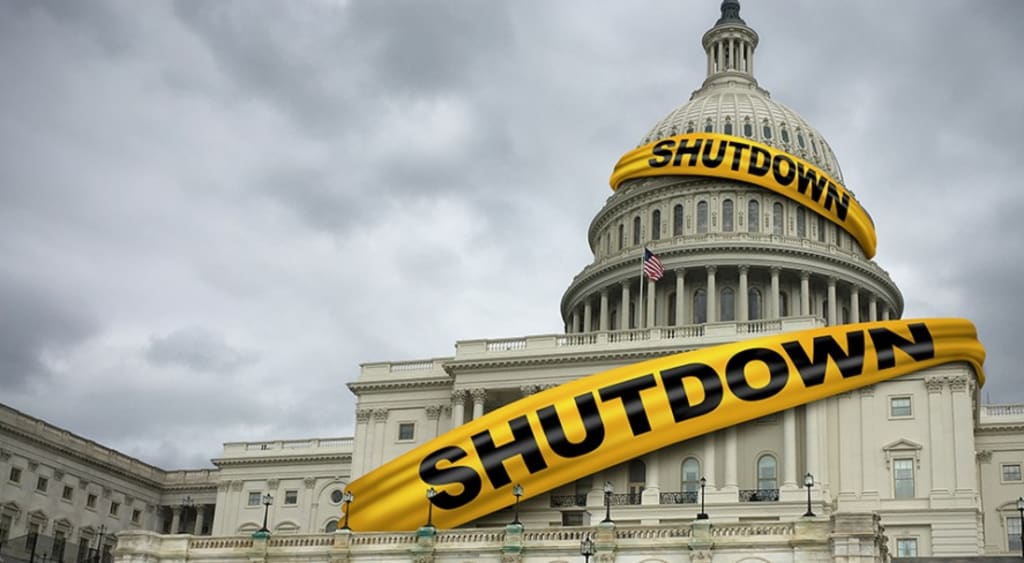
A government shutdown is not just a headline. It is a quiet disruption that reaches into homes, airports, borders, and paychecks. When the words government shutdown DHS funding appear together, they signal something more personal than politics. They point to uncertainty for workers who protect borders, respond to disasters, and keep transportation moving. For many Americans, these debates feel distant until flights slow, security lines stretch, or emergency services strain. This article explores what government shutdown DHS funding really means, why it keeps happening, and how it affects real people in ways that are often overlooked.
What Is DHS and Why Its Funding Matters
The Department of Homeland Security, often called DHS, was created to protect the United States from threats both foreign and domestic. Its responsibilities are broad and deeply tied to daily life.
DHS oversees airport security, border protection, immigration services, disaster response, and cybersecurity. Agencies like TSA, FEMA, Customs and Border Protection, and Immigration and Customs Enforcement fall under its umbrella.
When DHS funding is stable, these services function with planning and predictability. When funding becomes uncertain, stress spreads quickly through systems that depend on constant readiness.
This is why government shutdown DHS funding discussions carry such weight.
Understanding a Government Shutdown in Simple Terms
A government shutdown happens when Congress fails to pass funding bills that keep federal agencies operating. Without approved budgets, many government functions must pause or scale back.
Not every agency shuts down completely. Some services are considered essential and continue operating. Others stop until funding resumes.
DHS often falls into a complicated middle ground. Many of its workers are labeled essential, meaning they must continue working even if pay is delayed.
This creates a situation where security continues, but the people providing it face financial and emotional strain.
Why DHS Funding Is Often at Risk
DHS funding debates tend to resurface during periods of political conflict. Disagreements over immigration policy, border security, and spending priorities frequently center on DHS.
Because DHS sits at the crossroads of national security and political ideology, it often becomes a bargaining chip during budget negotiations.
When lawmakers cannot agree, funding deadlines pass. That is when the phrase government shutdown DHS funding becomes more than political language. It becomes a lived reality for thousands of workers.
What Happens Inside DHS During a Shutdown
When a shutdown begins, DHS must quickly decide which roles are essential and which are not.
Essential Workers Still Report to Duty
Most DHS employees are required to continue working. TSA agents screen passengers. Border agents patrol crossings. Coast Guard crews remain active.
They do this without knowing when they will be paid. For some families, even a short delay can create serious hardship.
Non Essential Workers Are Furloughed
Some DHS staff are sent home without pay. This includes administrative and support roles that keep systems running smoothly behind the scenes.
Their absence slows processes that are already complex, such as immigration paperwork or disaster preparation.
The Human Cost of Working Without Pay
The phrase government shutdown DHS funding often sounds abstract. But behind it are real people with bills, children, and responsibilities.
Many DHS employees live paycheck to paycheck. Missed pay can mean late rent, skipped medical appointments, or reliance on credit cards.
During past shutdowns, stories emerged of TSA agents calling in sick because they could not afford transportation to work. Others took second jobs at night to cover expenses.
These are not failures of character. They are consequences of uncertainty imposed from above.
Airport Security and Travel Disruptions
One of the most visible effects of a government shutdown tied to DHS funding appears at airports.
TSA agents are essential workers. They must show up, but morale often drops when pay is delayed.
This can lead to longer security lines as staffing shortages grow. Travelers feel the impact quickly, even if they do not understand the cause.
A delayed flight might feel like an inconvenience. For DHS workers, it is another reminder that their labor is taken for granted during political standoffs.
Border Security Under Financial Strain
Border protection is a core DHS responsibility. During a shutdown, agents continue their duties, but resources become strained.
Training programs pause. Equipment maintenance may be delayed. Planning for long-term improvements stops.
While borders do not close, the system operates under stress. This is not ideal for safety or efficiency.
Government shutdown DHS funding debates often focus on border issues, yet the shutdown itself weakens the very systems lawmakers claim to prioritize.
Immigration Services Slow Down
Immigration services are another area affected by DHS funding gaps.
Some immigration operations are funded through application fees rather than congressional budgets. These may continue functioning.
Others depend on appropriated funds and face delays. Processing times grow longer. Families waiting for visas or status updates are left in limbo.
For immigrants, a shutdown can mean months of added uncertainty layered onto an already stressful process.
Disaster Response and Emergency Preparedness
FEMA, the agency responsible for disaster response, also operates under DHS.
During a shutdown, FEMA continues responding to active disasters. But preparation for future emergencies often slows.
Training sessions are postponed. Planning meetings are canceled. Recovery projects may stall.
Disasters do not wait for political agreements. Reduced preparedness increases risk for communities already vulnerable to storms, fires, or floods.
Cybersecurity and Quiet Risks
DHS plays a major role in protecting government systems and infrastructure from cyber threats.
Cybersecurity teams often continue working during shutdowns, but staffing gaps and delayed projects increase vulnerability.
Unlike airport delays, cyber risks are invisible until damage occurs. This makes funding instability particularly dangerous in this area.
Government shutdown DHS funding gaps create openings that are difficult to measure but costly to repair.
Why Shutdowns Keep Repeating
Many Americans wonder why shutdowns keep happening if the damage is so clear.
Part of the answer lies in how budget negotiations work. Funding deadlines create pressure points. Political groups use them to push priorities.
DHS funding often becomes central because it touches on emotionally charged issues like immigration and national security.
The result is a cycle where the same risks appear again and again, with little long-term resolution.
Public Perception Versus Reality
To the public, a shutdown may look like a temporary inconvenience. News coverage often focuses on partisan conflict rather than daily impact.
For DHS workers, it feels personal and destabilizing. They continue serving while absorbing financial stress.
This gap between perception and reality allows shutdowns to repeat without sufficient accountability.
Understanding government shutdown DHS funding helps bridge that gap.
Economic Ripple Effects Beyond DHS
The effects of a shutdown spread beyond federal employees.
Local businesses near airports or government facilities lose customers. Contractors lose income when projects stop.
Communities with large DHS workforces feel the strain quickly. Reduced spending affects grocery stores, childcare providers, and landlords.
What starts as a budget disagreement becomes a local economic issue.
Mental Health and Morale
Working under uncertainty takes an emotional toll.
DHS employees report increased stress, anxiety, and burnout during shutdowns. The pressure of performing high-stakes jobs without pay erodes morale.
Over time, this can lead to higher turnover. Experienced workers leave for more stable employment.
Replacing them takes time and money, weakening institutional knowledge.
National Security and Long Term Consequences
National security is often used as an argument during DHS funding debates. Ironically, shutdowns weaken security over time.
Training delays, hiring freezes, and equipment backlogs reduce readiness. Trust between leadership and frontline workers erodes.
Security depends not only on rules and equipment, but on people who feel supported and valued.
Government shutdown DHS funding crises undermine that foundation.
Lessons From Past Shutdowns
Past shutdowns have shown clear patterns.
Essential services continue, but under strain. Workers suffer financial harm. Public inconvenience grows. Trust declines.
Yet long-term reforms remain rare. Temporary funding measures push the problem forward instead of solving it.
Each shutdown becomes a rehearsal for the next.
Why This Issue Matters Even If You Are Not a Federal Worker
It is easy to think this does not affect you if you do not work for DHS.
But if you travel, live near a border, rely on disaster response, or care about digital security, it does.
Stable DHS funding supports systems that most people notice only when they fail.
Ignoring government shutdown DHS funding issues means accepting ongoing risk as normal.
What Stability Could Look Like
Stable funding does not mean unlimited spending. It means predictable budgets that allow planning and accountability.
It means workers know when they will be paid. Agencies can invest in training and infrastructure. Services run with consistency.
This kind of stability benefits everyone, regardless of political views.
The Role of Public Awareness
Public pressure matters. When voters understand the real effects of shutdowns, they are more likely to demand change.
Awareness shifts the conversation from abstract politics to human impact.
Talking about government shutdown DHS funding in clear, human terms helps move the issue out of the shadows.
Moving Beyond Crisis Governance
Governing through repeated crises wears down institutions and people.
Shutdowns should not be treated as normal tools of negotiation. They carry costs that compound over time.
Breaking the cycle requires recognizing those costs and choosing stability over spectacle.
Final Thoughts
Government shutdown DHS funding is not just a policy issue. It is a story of workers showing up without pay, systems running under strain, and communities absorbing quiet damage.
DHS employees protect borders, respond to disasters, and keep daily life moving. They deserve certainty, not recurring crises.
Understanding what happens during these shutdowns helps shift the conversation from politics to people.
Because when safety becomes a bargaining chip, everyone feels the risk, whether they notice it or not.
About the Creator
Muqadas khan
Hi! Welcome to my Vocal page. I’ll be sharing fresh articles every day covering stories, ideas, and a bit of inspiration to brighten your feed. Thanks for reading and supporting daily writing! 📖💫
Keep reading
More stories from Muqadas khan and writers in The Swamp and other communities.
Keir Starmer and the Heavy Calm of Modern British Leadership
Politics today feels loud, sharp, and exhausting. Many people listen less and argue more. In the middle of this noise stands Keir Starmer, a figure who does not raise his voice to be heard. He moves carefully, speaks with restraint, and often frustrates those who want emotion before explanation. Yet his presence reflects something deeper than style. It reflects a country tired of chaos but unsure how to rebuild trust. Keir Starmer did not arrive as a hero or a rebel. He arrived as a worker of systems, a believer in rules, and a man shaped by responsibility more than ambition. To understand him is to understand a Britain wrestling with patience, doubt, and the quiet hope that steady hands still matter.
By Muqadas khan8 days ago in The Swamp
The Saddest Thing - The Billionaires Who Rule America Aren't Even Enjoying Themselves
This single post says more about our ruling class than a thousand policy papers. The saddest thing about today's system is that the men robbing the rest of us - sabotaging our economic prospects, our pensions, our access to affordable healthcare - are not even happy.
By Scott Christenson🌴6 days ago in The Swamp
Israel Gives Itself More Control Over the Occupied West Bank
The Israeli government has taken a decisive step that could redefine the political and legal reality of the occupied West Bank. In a move that has triggered sharp international criticism and deep Palestinian concern, Israel has approved new measures that significantly expand its administrative, legal, and territorial control over the area. Supporters frame the decision as a bureaucratic adjustment; critics warn it marks a dangerous slide toward de facto annexation.
By Aqib Hussain2 days ago in The Swamp


Comments
There are no comments for this story
Be the first to respond and start the conversation.