
Gold per Tola Hits Record‑High in Pakistan
Record surge driven by global bullion trends, investor demand, and currency dynamics, impacting consumers and the jewellery market


Precious metal soars to unprecedented levels as global trends, safe‑haven demand, and market dynamics reshape local bullion rates
Gold prices in Pakistan have surged to new all‑time highs, with the price of gold per tola reaching historic levels this week amid continuing global bullion market strength and sustained demand from investors and buyers alike. The local market saw the precious metal’s rate climb sharply, reflecting broader economic pressures both domestically and overseas, and raising major implications for consumers, investors, and the jewellery sector.
According to the All‑Pakistan Gems and Jewellers Sarafa Association (APGJSA), the price of 24‑carat gold per tola reached Rs532,062 after a substantial single‑day increase of Rs10,900, while 10‑gram gold also jumped to Rs456,157 after a gain of around Rs9,345. These figures mark one of the highest levels ever recorded in Pakistan’s bullion market.
Global Markets and Domestic Ripple Effects
The jump in local gold prices has been closely linked to a simultaneous surge in international gold rates. In global bullion trading, the price of gold per ounce climbed above historic thresholds — exceeding US $5,000 per ounce for the first time — driven by rising safe‑haven demand as investors seek protection against economic uncertainty, geopolitical tensions, and fluctuating financial conditions.
Silver prices have also followed upward momentum, with the per‑tola rate reaching new heights, underlining a broader precious‑metals rally tied to risk‑averse investment behaviour.
What’s Driving the Historic Highs?
Several key factors are contributing to the historic highs in gold prices in Pakistan:
1. Global Safe‑Haven Demand:
Economic instability, inflationary pressures, and investor concern over financial markets have increased demand for gold — traditionally a safe‑haven asset that retains value during uncertainty. This international trend has directly influenced local price movements.
2. Currency and Exchange Rate Pressures:
While gold prices are largely driven by international bullion trends, fluctuations in the Pakistani rupee’s value and broader macroeconomic conditions have also played a role in boosting local rates in rupee terms.
3. Jewellery and Investment Demand:
With gold historically viewed as both a cultural and financial asset in Pakistan, demand from jewellery buyers and long‑term investors has remained strong despite rising costs, further pushing up prices.
Consumer Impact: Weddings and Savings
The record increase has significant implications for regular consumers, especially during peak wedding and festive seasons when gold purchases traditionally surge. With the cost per tola surpassing half a million rupees, many families find it increasingly expensive to buy gold for bridal jewellery or gifts, squeezing budgets and social spending patterns.
Market observers note that while some segments of buyers may delay purchases in hopes of price stabilization, others continue due to cultural expectations, contributing to ongoing demand pressures.
Investor Behaviour and Alternatives
For investors, gold’s robust performance presents both opportunities and challenges. On one hand, gold’s steady appreciation offers a hedge against inflation and currency weakness. On the other hand, the high entry price may deter smaller investors and prompt them to explore alternative assets such as exchange‑traded funds (ETFs), mutual funds, or digital gold platforms that allow fractional ownership.
Economists also caution that while gold can serve as a buffer against risk, it should form part of a diversified portfolio rather than the sole investment focus.
Past Trends and Long‑Term Rally
Pakistan’s gold market has reached record highs repeatedly over the past year, with successive peaks reflecting global and local factors. Earlier spikes saw per‑tola prices climb to around Rs391,000 and beyond in 2025, while reports throughout the previous year documented repeated all‑time peaks as international bullion rates strengthened.
These historical trends underscore an extended upward trajectory, rooted in global market sentiments and investor behaviour rather than isolated short‑term fluctuations.
Expert Views and Market Sentiment
Market analysts attribute the sustained price surge to several structural and cyclical elements. A key driver has been geopolitical uncertainty, which historically boosts demand for gold as a non‑yielding but stable asset. Additionally, fluctuations in global interest rates, inflation expectations, and central bank policies worldwide influence investor allocations toward precious metals, sending ripples through local markets like Pakistan’s.
Some analysts also point to the limited investment avenues available domestically, which lead investors to favour tangible assets such as gold, especially in periods when equity markets face volatility or currency risks intensify.
Challenges Ahead
Despite the record highs, gold markets remain sensitive to shifting global dynamics. Any major changes in international monetary policy, geopolitical developments, or easing of economic stress could temper demand, potentially stabilizing prices or even causing downward pressure.
On the domestic front, currency stability, import costs, and demand elasticity will continue to shape gold price movements in the coming months.
Conclusion
The surge in gold’s price per tola to record‑high levels in Pakistan reflects a complex interplay of global market forces, investor behaviour, and enduring cultural demand. While elevated prices offer opportunities for holders and investors, they also pose challenges for everyday consumers seeking gold for traditional purposes. As global and local economic conditions evolve, the bullion market’s trajectory will remain a key barometer of economic sentiment in Pakistan.
About the Creator
Keep reading
More stories from Salaar Jamali and writers in The Swamp and other communities.
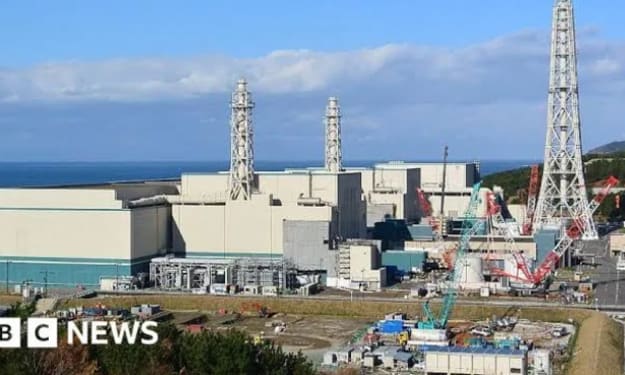
Japan Suspends World’s Largest Nuclear Plant Hours After Restart
Japan made headlines recently when the Kashiwazaki‑Kariwa Nuclear Power Plant, the world’s largest by capacity, had to halt operations just hours after restarting. The sudden suspension has reignited debates over nuclear safety, energy security, and Japan’s path to a carbon-neutral future.
By Aqib Hussain6 days ago in The Swamp
The Woman Who Stands Between Donald Trump and Greenland
How Denmark’s prime minister became the key figure defending Greenland’s sovereignty When former U.S. President Donald Trump publicly expressed interest in buying Greenland, the idea shocked many around the world. What sounded like a real-estate joke quickly turned into a serious diplomatic issue. At the center of that standoff stood Denmark’s prime minister, a leader who made it clear that Greenland was not for sale and that its future belonged to its people.
By Fiaz Ahmed 2 days ago in The Swamp



Comments
There are no comments for this story
Be the first to respond and start the conversation.