
Gold Hits New High, Oil Rises as Iran Tensions Rekindle
Safe-haven demand surges as geopolitical risks return to the spotlight and energy markets price in uncertainty

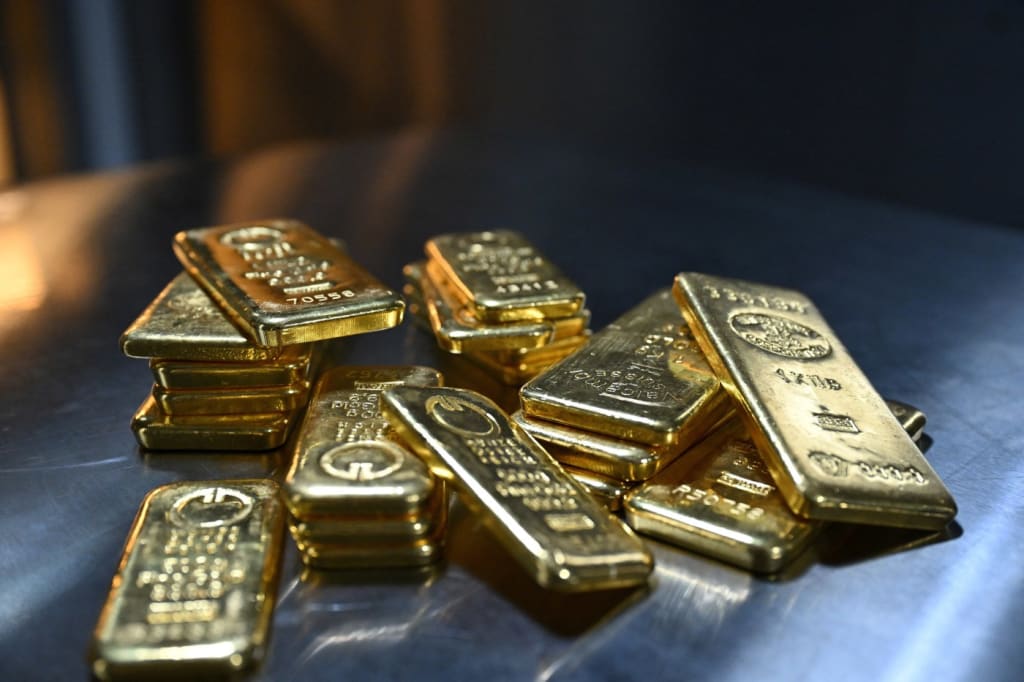
Global financial markets are once again being shaped by geopolitics as gold prices climb to new record highs and oil prices rise sharply, following renewed tensions involving Iran and its regional rivals. The twin rally highlights how quickly investor sentiment can shift when instability threatens global supply chains, particularly in energy markets that are deeply tied to the Middle East.
As diplomatic strains intensify, investors are seeking protection from volatility while energy traders price in the risk of disruption—two forces that are pushing gold and oil higher at the same time.
Gold’s Record Run Reflects Investor Anxiety
Gold has long been considered a safe-haven asset, and its latest surge reflects growing unease about global stability. As tensions around Iran escalate, investors are once again turning to bullion as a hedge against geopolitical risk, inflation, and currency volatility.
Beyond geopolitics, gold’s rise is also being supported by expectations that major central banks are nearing the end of their tightening cycles. When interest rates stabilize or eventually fall, gold becomes more attractive because it does not compete with yield-bearing assets.
The combination of political uncertainty and shifting monetary expectations has created a powerful tailwind for gold, pushing prices to levels never seen before.
Why Iran Tensions Matter to Markets
Iran occupies a strategically critical position in global geopolitics, particularly because of its proximity to key oil shipping routes. Any escalation involving Iran raises concerns about the safety of energy flows through the Middle East, especially around the Strait of Hormuz, one of the world’s most important oil transit chokepoints.
Even without direct conflict, heightened rhetoric, military posturing, or sanctions-related developments can cause markets to react swiftly. Investors tend to price in worst-case scenarios, which explains why commodity markets often move sharply on headlines alone.
This sensitivity makes Iran-related tensions a recurring catalyst for volatility across global markets.
Oil Prices Climb on Supply Risk
Oil prices have risen alongside gold as traders factor in the possibility of supply disruptions. The Middle East accounts for a significant share of global crude production, and any threat to stability in the region has immediate implications for oil supply and pricing.
Higher oil prices reflect both physical risk and speculative positioning. Energy traders often increase exposure during periods of geopolitical stress, anticipating tighter supply conditions or increased transportation risks.
While no major supply disruption has occurred yet, markets are reacting to the potential rather than the reality—underscoring how fragile the global energy balance remains.
Inflation Concerns Return to the Forefront
Rising oil prices have broader economic consequences, particularly for inflation. Energy costs feed directly into transportation, manufacturing, and consumer prices, meaning sustained increases could slow progress in cooling inflation worldwide.
This is a key concern for policymakers who have spent months trying to stabilize prices without pushing economies into recession. A prolonged oil rally could complicate those efforts, forcing central banks to maintain a more cautious stance on rate cuts.
Gold’s rise, meanwhile, signals that investors are hedging against renewed inflationary pressure alongside geopolitical uncertainty.
Markets Caught Between Risk and Safety
The simultaneous rise in gold and oil reflects a market caught between risk-taking and risk-avoidance. On one hand, equities and growth assets remain supported by optimism around technology, artificial intelligence, and economic resilience. On the other, investors are clearly unwilling to abandon protection altogether.
Gold’s strength suggests portfolios are being adjusted to account for potential shocks, while oil’s rally highlights concerns about real-world supply constraints. This dual movement is increasingly common in today’s market environment, where optimism and caution coexist.
Investors are no longer choosing one narrative—they are preparing for multiple outcomes.
Impact on Consumers and Businesses
For consumers, higher oil prices can translate into increased fuel and transportation costs, eventually affecting the price of goods and services. Businesses reliant on logistics, manufacturing, or energy-intensive processes may face margin pressure if prices remain elevated.
Gold’s rally, while less directly felt in daily life, often serves as a warning sign. Historically, sustained strength in gold has coincided with periods of economic stress or uncertainty.
Together, these trends suggest that while markets may appear stable on the surface, underlying risks are building.
What Could Happen Next
The trajectory of gold and oil prices will largely depend on how geopolitical developments unfold. Any signs of diplomatic de-escalation could ease market fears and lead to profit-taking in both commodities.
However, if tensions deepen or spread, the rally could extend further. Investors will also be watching central bank communications, inflation data, and currency movements for additional signals.
In particular, a weaker U.S. dollar could continue to support commodity prices, making gold and oil more attractive to global buyers.
Investor Strategy in Uncertain Times
Periods like this often reward balanced investment strategies. Exposure to defensive assets such as gold can help offset volatility, while selective positioning in energy markets may benefit from supply-driven price movements.
However, volatility cuts both ways. Sudden geopolitical shifts can reverse trends quickly, making risk management essential.
Long-term investors are likely to focus less on short-term price swings and more on structural drivers, including global energy demand, inflation trends, and geopolitical stability.
Conclusion: Commodities Signal Rising Global Tension
The rise of gold to new highs and the upward move in oil prices send a clear message: global markets are once again on edge. Renewed tensions involving Iran have reminded investors how quickly geopolitical risk can reshape financial landscapes.
Gold’s rally reflects a search for safety, while oil’s gains underscore the vulnerability of global energy supply. Together, they paint a picture of cautious markets preparing for uncertainty rather than reacting to calm.
As geopolitical developments continue to unfold, gold and oil are likely to remain key indicators of global risk sentiment—and essential assets to watch in the weeks ahead.
About the Creator
Asad Ali
I'm Asad Ali, a passionate blogger with 3 years of experience creating engaging and informative content across various niches. I specialize in crafting SEO-friendly articles that drive traffic and deliver value to readers.
From Finland to Greenland: How Cracks Are Appearing in the Future of Arctic Ice‑Breaking
As the Arctic undergoes rapid transformation, the future of ice‑breaking — a critical technology and strategic capability — faces surprising new challenges. From Finland’s seasoned fleet in the Baltic to the expanding ice fields near Greenland, warming seas and shifting geopolitical demands are reshaping how nations navigate, defend, and even imagine the Arctic’s icy waters.
By Salaar Jamalia day ago in The Swamp




Comments
There are no comments for this story
Be the first to respond and start the conversation.