
Gold futures trade off highs as White House to issue clarification on bullion tariffs
Gold futures trade off highs as White House to issue clarification on bullion tariffs

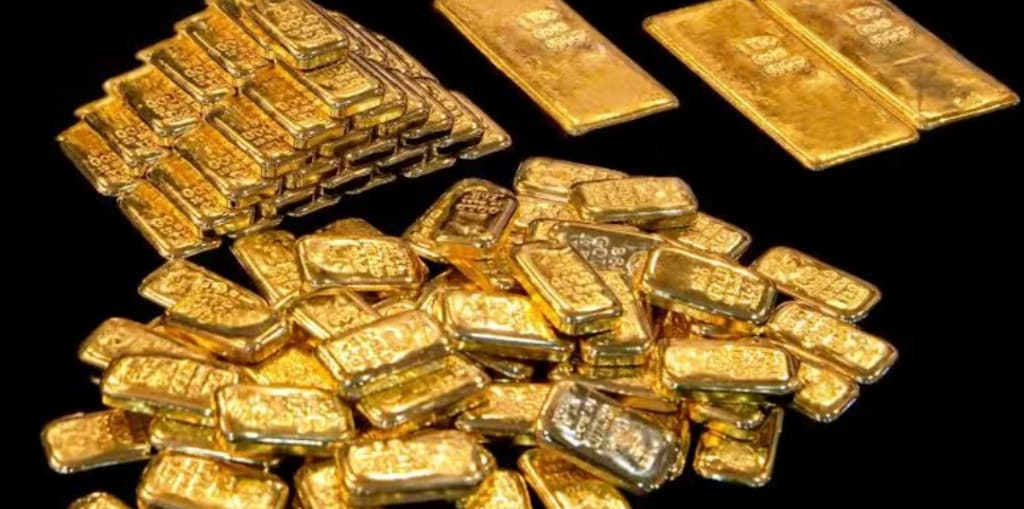
After the White House indicated that it would issue a formal clarification regarding the tariffs that are affecting imported bullion, gold futures saw a decline from their record intraday highs on Friday. The move followed a volatile morning in which U.S. gold futures briefly surged past three thousand five hundred thirty dollars per ounce, driven by confusion over whether certain gold bars would be subject to new import duties.
The rally began after a Customs and Border Protection ruling circulated in trading circles suggested that one kilogram and one hundred troy ounce cast gold bars could be classified under a customs code subject to country specific tariffs. Traders interpreted the decision as potentially applying a thirty nine percent duty to some of the most widely traded forms of bullion, including those produced by major Swiss refiners. This interpretation appeared to go against earlier guidance from the White House from April that said such bars would continue to be exempt from tariffs. The surprise ruling immediately sparked alarm across the global gold trade. According to reports, a number of major Swiss refineries stopped shipping to the United States while they sought clarification from the law and regulations. Industry groups including the Swiss Association of Precious Metals Manufacturers warned that the potential tariff would disrupt long established supply chains, harm liquidity in the bullion market, and strain economic relations between key trading partners.
As the implications of the ruling spread, speculative buying in futures markets accelerated. Concerns over potential shortages of deliverable bars at U.S. exchanges drove December gold futures to their highest levels on record, with spot prices also moving sharply higher. The sudden spike underscored the sensitivity of precious metals markets to regulatory changes, particularly those affecting physical supply and delivery logistics.
However, the rally began to reverse when White House officials indicated that President Biden would soon sign an executive order aimed at clarifying the tariff situation. According to administration aides, the order would address what they described as misinformation surrounding the CBP ruling and reaffirm the government’s policy on bullion imports. The statement did not specify whether the tariffs would be rescinded, modified, or confirmed, but it appeared designed to reassure markets that a resolution was imminent.
Following the announcement, gold futures gave back a portion of their earlier gains. By late afternoon trading in New York, December contracts were hovering near three thousand four hundred fifty four dollars per ounce, down roughly eighty dollars from the session peak. The premium between futures and spot prices, which had widened significantly during the morning’s scramble, also narrowed as concerns about immediate supply disruptions eased.
According to market analysts, the incident exemplified the increasingly complicated interaction between commodity pricing and trade policy. In the past, gold prices were primarily driven by macroeconomic factors such as interest rates, inflation expectations, and currency movements. While these remain important, regulatory shifts and customs rulings have become a more prominent driver of short term volatility, especially in an era of heightened geopolitical tension and protectionist trade measures.
The uncertainty was costly for refiners and dealers in bullion. Some shipments that were already on their way to the United States were said to be held at ports pending clarification, which could delay delivery times for clients like central banks and jewelry manufacturers. If tariffs were ultimately imposed, buyers could face significantly higher costs, potentially shifting demand to other markets or prompting changes in sourcing strategies.
The White House has not set a public deadline for issuing its clarification, but officials suggested that the matter would be resolved quickly to avoid prolonged market disruption. Industry representatives are expected to meet with U.S. trade officials in the coming days to present economic impact data and argue for maintaining the existing tariff exemptions.
In the meantime, traders are likely to remain cautious. Some analysts predict that prices could stay elevated as long as uncertainty persists, while others expect further declines if the executive order confirms that no new tariffs will be applied. The broader trend in gold remains supported by global economic headwinds, including slowing growth in key economies and persistent geopolitical risks, but the latest events highlight how swiftly policy news can override fundamental drivers.
Ultimately, Friday’s price swings serve as a reminder that gold, despite its reputation as a safe haven, is not immune to sudden shocks from the political arena. Whether the current tariff confusion proves to be a brief market blip or a catalyst for lasting changes in global bullion trade will depend on the specifics of the White House clarification. Until then, the world’s most enduring precious metal will continue to glitter in the spotlight of financial and political scrutiny.
About the Creator
GLOBAL NEWS
World News Updated
Short News upload
Technology News
Keep reading
More stories from GLOBAL NEWS and writers in The Swamp and other communities.
Intel’s CEO, Under Attack From Trump, Is Already at Odds With His Board
**The Trump-attacked CEO of Intel Already Disagrees With His Board** Trump's attacks on Intel's CEO have already put him at odds with his board. Intel’s CEO, under attack from Trump, is already at odds with his board. Trump's attacks on Intel's CEO have already put him at odds with his board. Intel’s CEO, under attack from Trump, is already at odds with his board. Intel’s CEO, under attack from Trump, is already at odds with his board. Intel’s CEO, under attack from Trump, is already at odds with his board. Intel’s CEO, under attack from Trump, is already at odds with his board. Intel’s CEO, under attack from Trump, is already at odds with his board. Intel’s CEO, under attack from Trump, is already at odds with his board. Intel’s CEO, under attack from Trump, is already at odds with his board.
By GLOBAL NEWS5 months ago in The Swamp
NATO Arctic Defence Needed Against Russia, Says Cooper
NATO must strengthen its Arctic defence posture in response to growing Russian military activity in the region, according to comments made by Cooper, a senior Western security figure. The warning highlights increasing concern among NATO members that the Arctic is becoming a frontline in geopolitical competition, rather than a remote zone of cooperation.
By Aarif Lashari3 days ago in The Swamp



Comments
There are no comments for this story
Be the first to respond and start the conversation.