
NATO Arctic Defence Needed Against Russia, Says Cooper
Rising Tensions in the High North
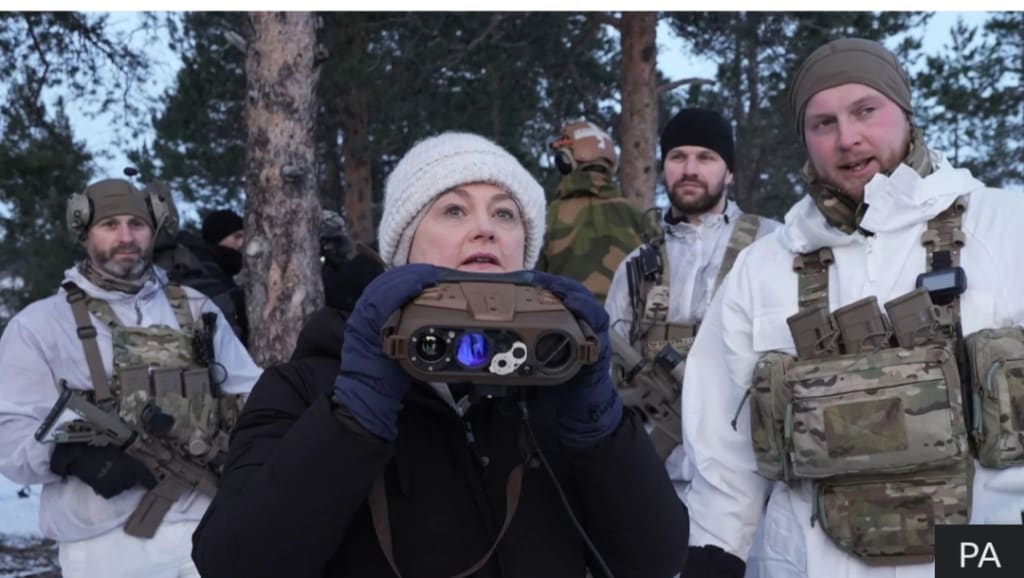
NATO must strengthen its Arctic defence posture in response to growing Russian military activity in the region, according to comments made by Cooper, a senior Western security figure. The warning highlights increasing concern among NATO members that the Arctic is becoming a frontline in geopolitical competition, rather than a remote zone of cooperation.
As climate change melts ice and opens new sea routes, the Arctic’s strategic importance has surged, drawing attention from global powers and raising urgent questions about security, sovereignty, and alliance preparedness.
Why the Arctic Matters More Than Ever
The Arctic is no longer an isolated, frozen expanse. Melting ice has unlocked new shipping lanes, energy reserves, and strategic military pathways. For NATO, the region is critical for:
Early warning and missile defence systems
Protection of transatlantic sea lines
Deterrence against long-range air and naval threats
Securing undersea communication cables
Russia’s vast Arctic coastline gives it a geographic advantage, making the region a key pillar of Moscow’s national defence strategy.
Cooper’s Warning to NATO
Speaking on the growing security challenges in the Arctic, Cooper argued that NATO must adapt its defence strategy to counter Russia’s expanding capabilities. He emphasized that Moscow has significantly increased its military footprint, including new bases, upgraded airfields, and a growing fleet of ice-capable vessels.
According to Cooper, failing to respond decisively could leave NATO vulnerable in a region that is becoming central to global security dynamics.
Russia’s Expanding Arctic Military Presence
Russia has invested heavily in the Arctic over the past decade. Its efforts include:
Reopening Soviet-era military bases
Deploying advanced radar and missile systems
Expanding its fleet of nuclear-powered icebreakers
Increasing patrols by submarines and strategic bombers
Moscow views the Arctic as vital to protecting its northern borders and securing access to natural resources. NATO officials, however, see these moves as part of a broader effort to project power and challenge Western influence.
NATO’s Current Arctic Capabilities
NATO’s Arctic defence largely relies on member states with northern territories, including Norway, Canada, Denmark (via Greenland), Iceland, and the United States. These countries provide essential infrastructure, surveillance, and military presence.
Recent developments have strengthened NATO’s position, notably the accession of Finland and Sweden, which has expanded the alliance’s footprint across the High North. Their inclusion has improved intelligence sharing, operational reach, and regional coordination.
Still, Cooper and other analysts argue that these gains must be matched with greater investment and strategic planning.
Challenges of Arctic Defence
Defending the Arctic presents unique challenges:
Extreme weather conditions limit operations
Vast distances complicate logistics and rapid response
Limited infrastructure restricts deployment options
Environmental sensitivity raises concerns about military activity
These factors mean that Arctic defence requires specialized equipment, training, and long-term planning, rather than conventional military approaches.
Deterrence, Not Escalation
Cooper stressed that strengthening NATO’s Arctic defence is about deterrence, not provocation. The goal is to ensure stability and prevent miscalculation by demonstrating that the alliance is capable and united.
NATO officials emphasize that a credible defensive posture can reduce the risk of conflict by making it clear that any aggressive action would face a coordinated response.
Implications for Global Security
The Arctic’s militarization has broader implications beyond the region. It affects:
Global trade routes connecting Europe, Asia, and North America
Energy security and access to critical resources
Strategic balance between NATO, Russia, and emerging players like China
As great-power competition intensifies, the Arctic is increasingly linked to wider global tensions.
Environmental and Political Concerns
While defence considerations dominate discussions, Arctic communities and environmental groups warn against unchecked militarization. Indigenous populations rely on the fragile ecosystem for their livelihoods, and increased military activity could disrupt traditional ways of life.
Balancing security needs with environmental protection remains a critical challenge for NATO and Arctic nations.
What Comes Next for NATO
Following Cooper’s remarks, NATO is expected to continue reviewing its Arctic strategy. Key priorities include:
Enhancing surveillance and early-warning systems
Improving joint exercises and interoperability
Investing in Arctic-capable forces and infrastructure
Strengthening cooperation with Arctic partners
The alliance must also maintain open communication channels to avoid misunderstandings that could escalate tensions.
Conclusion
Cooper’s call for stronger NATO Arctic defence underscores a shifting reality: the High North is no longer peripheral to global security. As Russia expands its presence, NATO faces pressure to adapt, invest, and coordinate more effectively in one of the world’s most challenging environments.
The future of Arctic security will depend on whether deterrence, diplomacy, and cooperation can keep pace with strategic competition. For NATO, the message is clear—preparedness in the Arctic is now essential to maintaining peace and stability.
✅ Best Vocal Media Category
About the Creator
Keep reading
More stories from Aarif Lashari and writers in The Swamp and other communities.
Danish PM Says US ‘Ambition to Take Over Greenland’ Is Intact After Washington Meeting – As It Happened
Denmark’s Prime Minister has stated that the United States’ “ambition to take over Greenland” remains intact, following a high-level meeting in Washington that has drawn global attention. The comments come amid renewed diplomatic tension over Greenland’s strategic importance, as climate change, Arctic security, and great-power competition reshape global geopolitics.
By Aarif Lasharia day ago in The Swamp



Comments
There are no comments for this story
Be the first to respond and start the conversation.