
Gold bulls hold firm after historic metals sell-off — but silver could be in for a bumpier ride
A deep look at why gold is stabilizing and silver may see sharper swings ahead

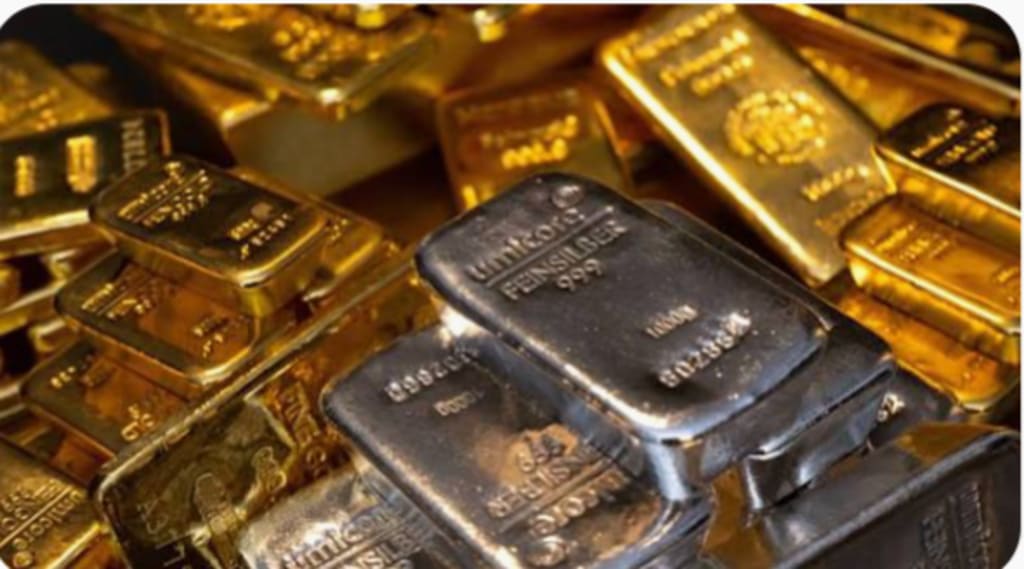
The precious metals market has rarely looked as dramatic as it did during the recent historic sell-off. Prices across gold, silver, and other metals plunged in a wave of liquidation that rattled investors and raised questions about whether the long-standing bull case for precious metals had finally cracked. Yet, in the aftermath of this sharp decline, gold bulls appear remarkably steady. Silver, however, may be facing a more uncertain and volatile path forward.
The sell-off was triggered by a perfect storm of forces: stronger-than-expected economic data, renewed confidence in risk assets, and a surge in bond yields that made non-yielding assets like gold less attractive in the short term. As investors rushed back into equities and higher-yield instruments, metals bore the brunt of the rotation. For many market watchers, the speed and scale of the drop felt historic, reminiscent of past moments when sentiment flipped almost overnight.
Despite this, gold’s underlying narrative remains surprisingly resilient. Long viewed as a hedge against inflation, currency debasement, and geopolitical risk, gold continues to attract long-term holders who see recent weakness as a buying opportunity rather than a warning sign. Central banks around the world, particularly in emerging markets, have maintained steady purchases of gold as part of diversification strategies. This structural demand provides a powerful backstop, reinforcing the idea that gold’s role as a store of value has not disappeared simply because prices corrected.
Another factor supporting gold bulls is uncertainty in global monetary policy. While interest rates have risen and markets have flirted with the idea of “higher for longer,” the long-term outlook remains clouded. Inflation has not been fully tamed, debt levels are historically high, and economic growth shows signs of strain in several regions. These conditions are traditionally favorable for gold over extended periods. Even after the sell-off, many analysts argue that gold’s broader trend remains intact, with recent price action representing a consolidation rather than a collapse.
Silver’s story, however, is more complicated.
Unlike gold, silver sits at the crossroads of both precious and industrial metals. It is prized as a hedge and store of value, but it is also heavily used in manufacturing, electronics, and especially renewable energy technologies such as solar panels. This dual identity makes silver far more sensitive to shifts in economic expectations. When growth prospects dim, industrial demand weakens, and silver can fall harder and faster than gold.
The recent sell-off exposed this vulnerability. While gold benefited from its safe-haven reputation once panic subsided, silver struggled to regain footing. Investors who see silver as a leveraged play on gold were reminded that leverage cuts both ways. In times of stress, silver often experiences sharper swings, which can shake out weaker hands and amplify volatility.
There is also the issue of speculative positioning. Silver markets tend to attract a higher proportion of short-term traders compared to gold. During periods of uncertainty, this can lead to exaggerated price moves driven by sentiment rather than fundamentals. If economic data continues to surprise to the downside or industrial activity slows, silver could face further turbulence before finding stable ground.
Yet, it would be premature to write silver off entirely. The long-term demand story tied to green energy and electrification remains compelling. Governments and corporations worldwide are pushing toward renewable energy targets, and silver is a critical input for solar technology. Over time, this could provide a powerful tailwind. The challenge lies in the near term, where macroeconomic headwinds and market psychology may keep silver on a rougher road than gold.
What this divergence reveals is an important lesson for investors: precious metals are not a single, uniform asset class. Gold and silver may move together during broad market trends, but their drivers differ in key ways. Gold is anchored by its role as a monetary and defensive asset. Silver, by contrast, must balance that identity with industrial demand cycles. When confidence in economic growth wavers, silver tends to feel the impact more acutely.
For gold bulls, the recent sell-off may ultimately strengthen conviction. Market corrections often test the resolve of investors, separating long-term belief from short-term fear. The fact that gold has stabilized more quickly suggests that its foundational appeal remains strong. If inflation risks resurface or geopolitical tensions rise, gold could once again find itself in favor.
Silver investors, meanwhile, may need to brace for a bumpier ride. Volatility could persist as markets digest conflicting signals about growth, rates, and industrial demand. Those with a long-term horizon may view this turbulence as an opportunity, but patience will be essential.
In the end, the historic metals sell-off has not erased the case for precious metals—it has refined it. Gold continues to stand firm as a symbol of stability in an uncertain world. Silver, while still promising, reflects the complexities of a global economy caught between slowdown fears and technological transformation. Together, they tell a story not of collapse, but of divergence, reminding investors that even within the same sector, the paths forward can look very different.
About the Creator
Sajida Sikandar
Hi, I’m Sajida Sikandar, a passionate blogger with 3 years of experience in crafting engaging and insightful content. Join me as I share my thoughts, stories, and ideas on a variety of topics that matter to you.
Keep reading
More stories from Sajida Sikandar and writers in The Swamp and other communities.
In Just Two Weeks, the Game of Thrones Universe Returns
In just two weeks, the world of Westeros opens its gates once again, inviting fans back into a universe of dragons, betrayal, and destiny. The Game of Thrones franchise, which once dominated television and cultural conversation, is returning with a brand-new series that aims not only to rekindle the magic of its predecessor but to reshape how audiences understand the vast and dangerous history of George R. R. Martin’s world.
By Sajida Sikandara day ago in The Swamp
Why Black History Matters in America?
The United States of America is celebrating their 250th anniversary in 2026. I'm proud to be an American and as someone who was born here, I wouldn't imagine myself living anywhere else. This is a country where opportunities are possible. Where anyone can be successful in anything they desire to do. Equality, community, and togetherness are the backbones of what America is and should be about. However, we have an administration who wants to erase and disregard those who have made positive, meaningful impacts in our country, specifically Black figures, such as Martin Luther King, Jr., Rosa Parks, and Maya Angelou. President Trump and his administration have been constantly complaining and fighting against what they call the "Woke agenda". They use this excuse as a distraction from other issues they refuse to address, such as the high cost of living, climate change, and inflation. That equality is dividing America, when in reality, it's bringing us together. Being woke is not tied to a specific political party. No matter where you stand on the political spectrum, you can still care about other people and their plights. Compassion and empathy for others isn't tied to a political party, either. We were taught as children to treat others the way we want to be treated and not judge others because they're different from us. Caring about others isn't a personal attack on your beliefs. It doesn't make you any less of a person. People who are easily offended over African American figures, past or present, or anything related to it, are grasping at straws. Current and future generations need to know who people like Harriet Tubman and Shirley Chisholm were, especially in the classroom. Black History is part of American History. It should be recognized, not hidden or forgotten. Besides, you can't shield children from everything, just because your feelings are easily hurt.
By Mark Wesley Pritchard 7 days ago in The Swamp
United States Autonomous Vehicles Market Size & Forecast 2026–2034
Introduction: A New Era of Mobility Takes Shape The United States is standing at the edge of a transportation revolution. Autonomous vehicles—once considered science fiction—are rapidly becoming a practical reality on American roads. Powered by advances in artificial intelligence, sensor technologies, high-performance computing, and vehicle connectivity, self-driving systems are reshaping how people and goods move across the country.
By shibansh kumar3 days ago in The Swamp
Public Announcement Challenge Winners
For the Public Announcement Challenge, writers were asked to work inside voices built for control. These were notices, warnings, and updates meant to inform rather than confess. The strongest entries committed to that form and didn't break from it. Corporate memos, formal government alerts, and internal policy language were held consistently, allowing emotion, fear, grief, or humor to surface indirectly through pressure rather than declaration. The following poems recognize the voice of authority, and let human feeling slip through despite all its rules and restraint.
By Vocal Curation Team2 days ago in Resources




Comments
There are no comments for this story
Be the first to respond and start the conversation.