
In Just Two Weeks, the Game of Thrones Universe Returns
A brand-new series promises to expand the saga in unexpected ways

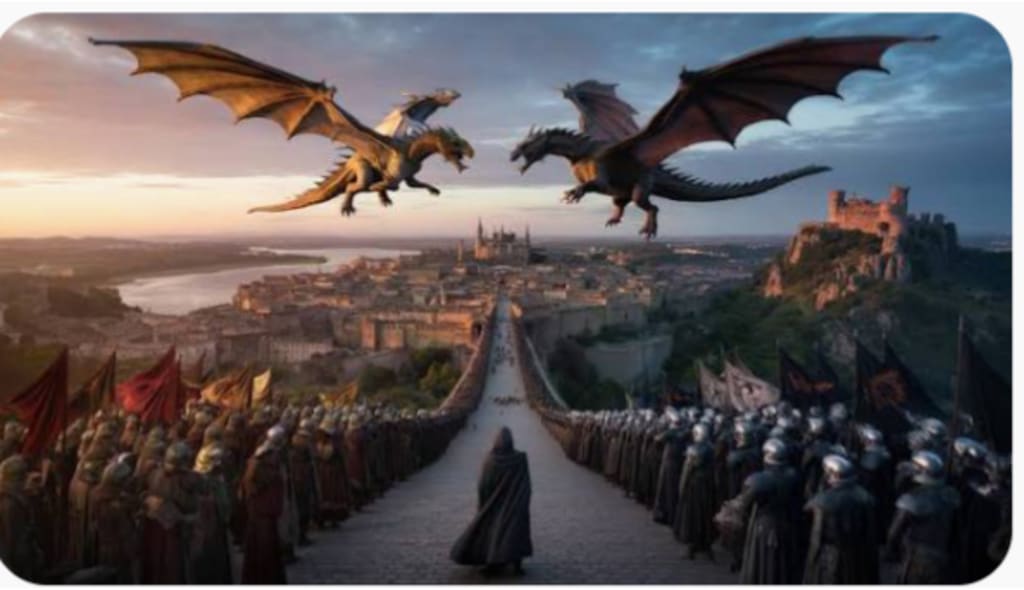
In just two weeks, the world of Westeros opens its gates once again, inviting fans back into a universe of dragons, betrayal, and destiny. The Game of Thrones franchise, which once dominated television and cultural conversation, is returning with a brand-new series that aims not only to rekindle the magic of its predecessor but to reshape how audiences understand the vast and dangerous history of George R. R. Martin’s world.
This new chapter arrives at a critical moment for the franchise. While the original Game of Thrones captivated millions with its shocking twists and morally complex characters, its controversial ending left many viewers divided. Now, the upcoming series has the opportunity to redefine expectations by exploring a different era, new political conflicts, and characters whose stories have never been told on screen before. Rather than relying solely on familiar faces, the show promises to dig deeper into the roots of power, ambition, and legacy that shaped Westeros long before the events of the original saga.
What makes this new series especially exciting is its focus on expansion rather than repetition. Instead of recreating the same formula of warring houses and predictable arcs, the creators are venturing into unexplored territory. This means new families, new alliances, and entirely new moral dilemmas. Fans can expect to see how ancient decisions ripple through generations and how myths surrounding dragons, kings, and prophecies were formed in the first place.
The world-building potential alone is enormous. One of the greatest strengths of Game of Thrones has always been its ability to make Westeros feel alive—full of customs, religions, and political systems that feel as intricate as real history. The new series takes this even further by zooming in on events that were once only hinted at in books and dialogue. By doing so, it gives longtime fans a chance to finally witness legendary conflicts instead of merely hearing about them.
Another key difference lies in tone. While the original show thrived on shock value and brutal realism, the new installment is said to balance spectacle with deeper character study. Rather than overwhelming audiences with constant twists, it aims to explore why characters make the choices they do. Power struggles are no longer just about who sits on the Iron Throne, but about what that power costs emotionally and psychologically. This shift could help the series appeal to both devoted fans and newcomers who are discovering Westeros for the first time.
Visually, expectations are sky-high. The franchise has always set the bar for cinematic television, and early previews suggest the new series will continue that tradition with grand sets, detailed costumes, and breathtaking landscapes. Dragons, once again, are expected to play a major role—not just as weapons of war, but as symbols of fear and control. Their presence reminds viewers that magic still lingers in this world, even when politics tries to dominate every conversation.
Perhaps the most important aspect of this return is its chance at redemption. The ending of Game of Thrones left many fans unsatisfied, creating skepticism around future projects. This new series must prove that the universe still has meaningful stories to tell. By focusing on a fresh narrative instead of directly continuing the previous one, the creators can rebuild trust and show that Westeros is more than just one storyline—it is a living mythology.
For longtime fans, the premiere represents a reunion with a world they once obsessed over. For new viewers, it offers a chance to step into a legendary franchise without the pressure of eight seasons of history. This balance between nostalgia and novelty could be the show’s greatest strength. It honors what came before while daring to be different.
In many ways, this new series reflects a broader trend in modern television: the expansion of established universes into deeper, richer narratives. Just as other franchises have used prequels and spin-offs to explore hidden corners of their worlds, Game of Thrones is doing the same—only with higher stakes and a more complex emotional backdrop. It is not simply a return; it is a reinvention.
As the premiere approaches, anticipation continues to grow. Fans are speculating about storylines, hidden connections, and potential surprises. Will this series answer long-standing questions? Will it introduce new heroes and villains that rival the likes of Daenerys Targaryen or Tyrion Lannister? Most importantly, will it restore the sense of wonder that once made Sunday nights an event for millions around the globe?
In just two weeks, those questions will finally have answers. Whether this new chapter becomes another cultural phenomenon or simply a thoughtful expansion of a beloved universe, one thing is certain: the world of Westeros is far from finished telling its stories. And for fans who still hear the echo of “Winter is coming,” the return of this universe feels like destiny knocking once more.
About the Creator
Sajida Sikandar
Hi, I’m Sajida Sikandar, a passionate blogger with 3 years of experience in crafting engaging and insightful content. Join me as I share my thoughts, stories, and ideas on a variety of topics that matter to you.
Keep reading
More stories from Sajida Sikandar and writers in The Swamp and other communities.
Trump Administration Sued Over Visa Freeze on Immigrants From 75 Countries
The Trump administration is facing a high-profile legal challenge over its decision to freeze visas for immigrants from 75 countries, a move critics say amounts to a sweeping, discriminatory ban. The lawsuit, filed by a coalition of civil rights organizations and immigration advocacy groups, argues that the freeze violates the U.S. Constitution and federal immigration laws while causing widespread confusion and hardship for millions of families.
By Sajida Sikandar5 days ago in The Swamp
Why Black History Matters in America?
The United States of America is celebrating their 250th anniversary in 2026. I'm proud to be an American and as someone who was born here, I wouldn't imagine myself living anywhere else. This is a country where opportunities are possible. Where anyone can be successful in anything they desire to do. Equality, community, and togetherness are the backbones of what America is and should be about. However, we have an administration who wants to erase and disregard those who have made positive, meaningful impacts in our country, specifically Black figures, such as Martin Luther King, Jr., Rosa Parks, and Maya Angelou. President Trump and his administration have been constantly complaining and fighting against what they call the "Woke agenda". They use this excuse as a distraction from other issues they refuse to address, such as the high cost of living, climate change, and inflation. That equality is dividing America, when in reality, it's bringing us together. Being woke is not tied to a specific political party. No matter where you stand on the political spectrum, you can still care about other people and their plights. Compassion and empathy for others isn't tied to a political party, either. We were taught as children to treat others the way we want to be treated and not judge others because they're different from us. Caring about others isn't a personal attack on your beliefs. It doesn't make you any less of a person. People who are easily offended over African American figures, past or present, or anything related to it, are grasping at straws. Current and future generations need to know who people like Harriet Tubman and Shirley Chisholm were, especially in the classroom. Black History is part of American History. It should be recognized, not hidden or forgotten. Besides, you can't shield children from everything, just because your feelings are easily hurt.
By Mark Wesley Pritchard 7 days ago in The Swamp
Feelings Never Die
It is Valentine's Day again, and it bought back memories that were over fifty years old. It bought me back to 1971, and I woke up and I knew my baby was due today. I was big and pregnant, and I felt like I was about to burst wide open. Imagine my surprise when the doctor told my I had a due date of February 14. I couldn't believe it, and since my baby was due today, I felt I could indulge myself a bit. I had gained a lot of weight, and chocolate was on the no-no list, but I had came to the end of this pregnancy, and I hoped it would be okay, after all I would deliver this baby today. So I walked across the street to the grocery story, and bought myself, a peppermint patty, covered in chocolate, my favorite. Me and my Valentine's baby would enjoy it together.
By Susan Payton3 days ago in Fiction


Comments
There are no comments for this story
Be the first to respond and start the conversation.