
Gold and Silver Rebound After Historic Wipeout as Analysts Say Thematic Drivers Stay Intact
Precious metals shake off brutal losses, reminding investors why gold and silver still matter in an uncertain world
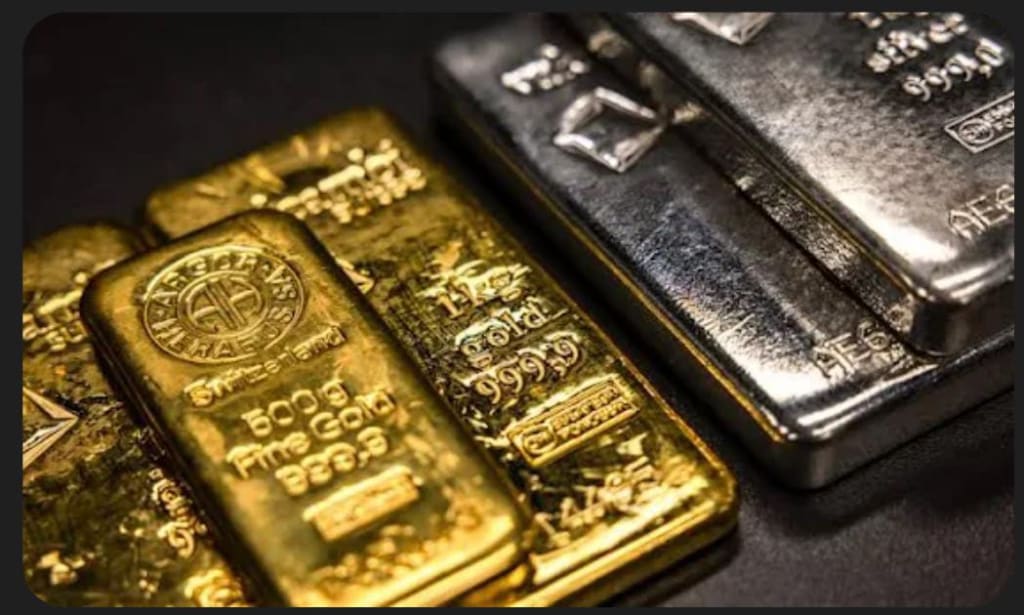
After one of the most brutal sell-offs in recent memory, gold and silver have staged a notable rebound, easing fears that the long-standing bull case for precious metals had been permanently damaged. While the recent “wipeout” sent shockwaves through commodity markets and rattled investor confidence, analysts argue that the underlying thematic drivers supporting gold and silver remain firmly intact.
The recovery may not erase the pain of the sudden downturn, but it has reopened an important conversation: were gold and silver truly broken, or was the sell-off simply another violent correction in an already volatile global financial system?
A Historic Wipeout That Caught Markets Off Guard
The sell-off in gold and silver was swift and unforgiving. Prices tumbled as a combination of rising real yields, a strengthening U.S. dollar, and aggressive risk-off positioning pushed investors to liquidate positions. For many, the speed of the decline felt disproportionate, especially given the persistent macroeconomic risks that typically support precious metals.
Margin calls, algorithmic trading, and crowded speculative positions amplified the downside. As prices fell through key technical levels, panic selling accelerated, triggering what many traders described as a “capitulation event.” In a matter of days, years of steady gains appeared to evaporate.
Yet history shows that gold and silver have often endured sharp drawdowns before reasserting their role as long-term stores of value.
The Rebound Signals More Than Just Short Covering
The recent rebound in gold and silver prices has been more than a mechanical bounce. Analysts point out that renewed physical demand, particularly from central banks and long-term investors, played a critical role in stabilizing the market.
Gold, in particular, continues to benefit from strong central bank purchases as countries diversify away from overreliance on the U.S. dollar. Silver, while more volatile due to its industrial component, has found support from expectations of rising demand linked to clean energy, electric vehicles, and solar technology.
This recovery suggests that while speculative money may come and go, the structural demand for precious metals remains resilient.
Why Thematic Drivers Still Matter
Despite short-term turbulence, the core investment thesis for gold and silver has not fundamentally changed.
1. Persistent Inflation Risks
Even as headline inflation moderates in some regions, structural inflation pressures remain. De-globalization, supply chain realignments, rising geopolitical tensions, and increased defense and infrastructure spending all point toward a world where inflation may be stickier than policymakers hope. Gold has historically performed well in such environments.
2. Mounting Global Debt
Global debt levels continue to climb, limiting the ability of governments and central banks to maintain tight monetary policy indefinitely. As debt servicing costs rise, the temptation to tolerate higher inflation grows—an environment that typically favors precious metals.
3. Geopolitical Uncertainty
From ongoing conflicts to escalating trade tensions, geopolitical risk remains elevated. Gold, in particular, thrives during periods of uncertainty when trust in financial systems and fiat currencies is questioned.
4. Currency Debasement Concerns
Long-term currency debasement remains a key concern for investors. As central banks expand balance sheets during economic stress, gold and silver act as alternative monetary assets that cannot be printed at will.
Silver’s Unique Dual Role
Silver’s recovery deserves special attention. Unlike gold, silver is both a monetary metal and an industrial commodity. This dual identity makes it more volatile, but also potentially more rewarding.
The global push toward renewable energy has increased silver’s importance in solar panels, battery technology, and electronics. Analysts argue that structural supply deficits could emerge if industrial demand continues to rise while mine production struggles to keep pace.
As a result, silver’s long-term outlook may be even more compelling, despite its reputation for dramatic price swings.
Volatility Is the Price of Admission
The recent wipeout serves as a reminder that volatility is not a flaw of precious metals—it is a feature. Gold and silver are not immune to market forces, liquidity shocks, or investor psychology. However, these sharp corrections often reset positioning and create healthier foundations for future moves.
Seasoned investors understand that gold and silver are not short-term trading instruments alone, but strategic assets designed to protect purchasing power over time.
What Comes Next for Investors?
While no asset moves in a straight line, analysts broadly agree that the rebound reinforces confidence in the long-term narrative for precious metals. That said, expectations should remain realistic. Future gains are likely to come with continued volatility, especially as markets react to economic data, central bank decisions, and geopolitical developments.
For investors, the key takeaway is not the speed of the rebound, but what it represents: a reaffirmation that gold and silver still matter in a world defined by uncertainty, debt, and structural change.
Final Thoughts
The historic wipeout in gold and silver was a harsh reminder of how quickly sentiment can shift. Yet the subsequent rebound highlights something equally important—precious metals are far from obsolete.
As analysts continue to emphasize, the thematic drivers supporting gold and silver have not disappeared. If anything, they have grown stronger beneath the surface. For those willing to endure volatility, gold and silver remain powerful symbols of financial resilience in an unpredictable global economy.
About the Creator
Keep reading
More stories from Ayesha Lashari and writers in The Swamp and other communities.
SpaceX Pushes Back Against Russia’s Unauthorized Use of Starlink in Ukraine
In today’s wars, tanks and missiles are no longer the only decisive tools. Satellites, software, and commercial technology now shape the battlefield just as much as traditional weapons. One of the clearest examples of this shift is SpaceX’s Starlink — a satellite internet system that has become deeply entangled in the Russia-Ukraine war.
By Ayesha Lashariabout 12 hours ago in The Swamp
Issue Brief on “Nuclear Year 2025 in Review”
The year 2025 will be remembered as a turning point in global nuclear politics. Marked by growing geopolitical rivalries, stalled arms control agreements, and renewed nuclear threats, the world witnessed both alarming setbacks and cautious diplomatic efforts. From escalating tensions among nuclear-armed states to debates over modernization and disarmament, nuclear issues once again dominated international security discussions.
By Sajida Sikandar5 days ago in The Swamp


Comments
There are no comments for this story
Be the first to respond and start the conversation.