
GM to Move Production of Buick SUV from China to the US
General Motors Shifts Manufacturing Strategy Amid Global Trade and Market Changes

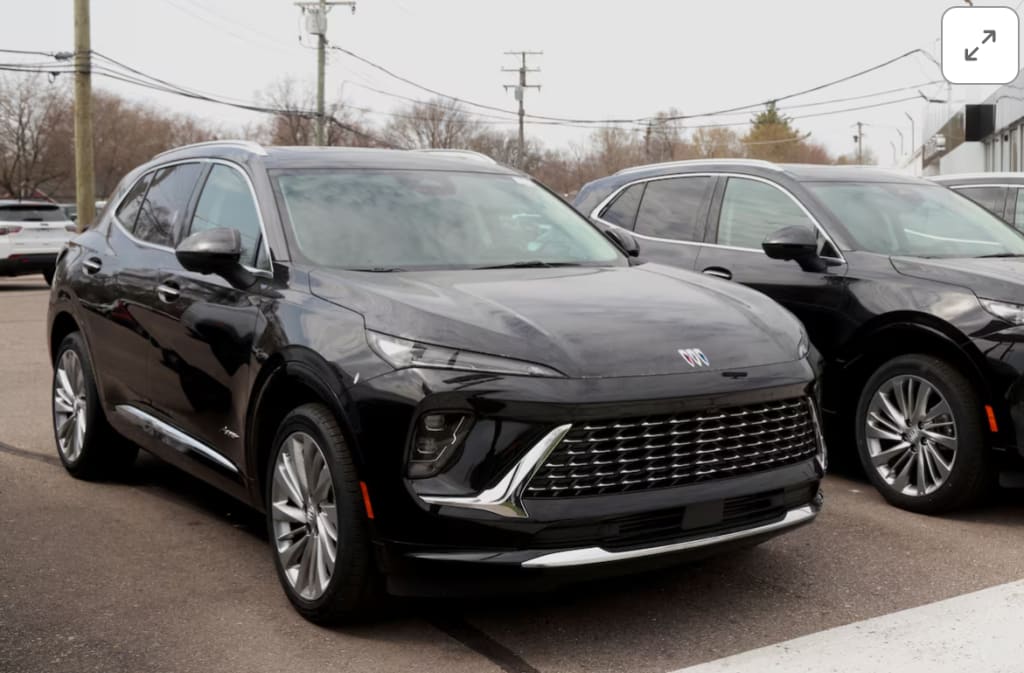
General Motors (GM), one of the world’s largest automakers, has announced plans to move production of its popular Buick SUV from China back to the United States. The decision is part of a broader strategy to consolidate manufacturing, respond to global market demands, and strengthen its domestic supply chain.
This shift has significant implications for GM, its workforce, and the broader auto industry, reflecting the complex dynamics of international trade, consumer preferences, and geopolitical considerations.
Why GM Is Making the Move
The announcement from GM highlights several key reasons for the relocation of Buick SUV production:
Supply Chain Resilience: The COVID-19 pandemic and subsequent supply chain disruptions revealed vulnerabilities in overseas production. By moving production to the U.S., GM aims to reduce dependency on international suppliers and improve delivery reliability.
Trade and Tariff Considerations: Tensions between the U.S. and China have affected manufacturing costs. Bringing production back to domestic facilities allows GM to mitigate potential tariffs, regulatory challenges, and political uncertainties.
Market Strategy: Buick remains a core brand for GM, particularly in the U.S. market. Local production may help GM better respond to consumer demand, shorten lead times, and improve competitiveness against other domestic and foreign SUV makers.
Impact on Jobs and Local Economy
The move is expected to create jobs in U.S. plants, particularly in states where GM operates large manufacturing facilities. Production shifts typically require hiring skilled workers, upgrading assembly lines, and investing in local infrastructure.
For American workers, this represents a positive development in terms of employment opportunities and economic activity. Local communities around GM plants may also benefit from increased investment and ancillary business growth, including suppliers and logistics companies.
China’s Role and Global Strategy
While GM is moving Buick SUV production back to the U.S., the company is not exiting the Chinese market. China remains a crucial part of GM’s global strategy due to its large consumer base and growing demand for automobiles.
However, the shift demonstrates a more selective approach to international manufacturing, balancing cost efficiency with strategic positioning. GM will likely continue producing other vehicles in China while focusing domestic plants on models where speed, quality control, and regulatory alignment are critical.
Broader Implications for the Auto Industry
GM’s move is part of a broader trend in the auto industry:
Reshoring Manufacturing: Several automakers are relocating production to their home countries to reduce global supply chain risks.
Electric Vehicle Transition: U.S.-based production can better support the rollout of electric SUVs and hybrid models, taking advantage of government incentives for domestic EV manufacturing.
Geopolitical Sensitivity: Automakers are increasingly factoring political and trade considerations into their manufacturing decisions, ensuring flexibility in an uncertain global environment.
The decision highlights how multinational corporations must balance efficiency, cost, and national policy considerations when planning production strategies.
What It Means for Consumers
For U.S. consumers, the relocation of Buick SUV production may have several benefits:
Faster Delivery Times: Domestic production reduces shipping delays and improves availability at dealerships.
Potentially Lower Prices: Reduced tariffs and transportation costs may help stabilize pricing.
Enhanced Service and Warranty Support: Local production simplifies logistics for replacement parts and warranty claims.
At the same time, some models may see short-term supply adjustments during the transition period, as plants ramp up production in the U.S.
GM’s Investment and Long-Term Strategy
The move reflects GM’s broader commitment to modernizing its U.S. manufacturing base. Investments may include:
Upgrading assembly lines with advanced robotics and automation
Implementing energy-efficient production methods
Integrating production with electric vehicle (EV) capabilities
Such investments aim to ensure GM remains competitive in the evolving automotive market, particularly as SUVs continue to dominate consumer preference in the U.S.
Challenges of Relocating Production
While the move has benefits, GM faces several challenges:
Capital Expenditure: Shifting production requires significant upfront investment to upgrade U.S. plants and ensure quality standards match or exceed those in China.
Supply Chain Adjustments: Components previously sourced for Chinese plants must be redirected, requiring careful planning and coordination with suppliers.
Workforce Training: Employees must be trained or retrained to meet production demands and integrate new technologies.
Despite these hurdles, GM’s leadership views the long-term advantages—resilience, control, and strategic alignment—as outweighing the short-term challenges.
Industry Reactions
Analysts see GM’s move as a signal of confidence in the U.S. market and a recognition of geopolitical and economic trends. Industry observers highlight:
Reshoring as a growing trend for multinational manufacturers
GM’s intention to maintain flexibility between domestic and international production
The role of government incentives and trade policies in shaping corporate decisions
Competitors are watching closely, as similar production shifts could affect the competitive landscape for SUVs and other vehicles.
Conclusion: A Strategic Shift for a Changing World
GM’s decision to move Buick SUV production from China to the U.S. illustrates the complex balance between global expansion and domestic resilience. By reshoring production, GM aims to strengthen its supply chain, create domestic jobs, and align with U.S. policy and consumer expectations.
The move also underscores broader trends in the auto industry, including reshoring, strategic investment in EV-ready plants, and responsiveness to geopolitical risk. For consumers, workers, and the market, this transition represents a significant moment in the ongoing evolution of global automotive manufacturing.
As GM ramps up production in U.S. plants, the coming months will be closely watched by industry analysts, competitors, and consumers alike—marking a new chapter in the company’s strategy for growth and resilience in an increasingly complex global marketplace.
About the Creator
Muhammad Hassan
Muhammad Hassan | Content writer with 2 years of experience crafting engaging articles on world news, current affairs, and trending topics. I simplify complex stories to keep readers informed and connected.
Keep reading
More stories from Muhammad Hassan and writers in The Swamp and other communities.
Trump Sues JPMorgan for $5 Billion Over Debanking Claims
Former President Donald Trump has filed a $5 billion lawsuit against JPMorgan Chase, alleging that the banking giant unfairly severed its relationship with him and his businesses—a practice commonly referred to as “debanking.” The move marks a high-profile legal confrontation that blends politics, finance, and corporate accountability, drawing attention from investors, legal analysts, and the public alike.
By Muhammad Hassan5 days ago in The Swamp
Instagram, Facebook and WhatsApp to Trial Premium Subscriptions
For more than a decade, social media platforms like Instagram, Facebook, and WhatsApp have been completely free to use, relying primarily on advertising revenue to sustain their massive global operations. That long-standing model is now being reexamined. Meta, the parent company of these platforms, has announced that Instagram, Facebook and WhatsApp will trial premium subscriptions, signaling a significant transformation in how social media may operate in the future. This move has sparked widespread discussion among users, creators, and businesses alike. Are premium subscriptions the future of social networking, or will they fundamentally change the open nature of these platforms? Why Meta Is Introducing Premium Subscriptions Meta’s business has historically depended on targeted advertising. However, recent years have brought growing challenges. Increased privacy regulations, reduced data tracking, and shifting user behavior have made digital advertising less predictable and more expensive. By trialing premium subscriptions, Meta aims to: Diversify its revenue streams Reduce dependence on advertising Offer users greater privacy and control Create premium tools for creators and businesses Subscription-based models also provide consistent income, which is increasingly important in a competitive digital economy. Instagram’s Move Toward Paid Features Instagram is already familiar with subscription-based tools, especially for content creators. The platform previously tested creator subscriptions that allow followers to pay for exclusive content. Now, Meta appears ready to expand this concept on a broader scale. Potential Instagram Premium Features Instagram premium subscriptions may offer: An ad-free browsing experience Exclusive stories, reels, or live broadcasts Advanced analytics and insights Profile customization and enhanced verification options Priority customer support For influencers and brands, these tools could help increase engagement and revenue. For regular users, the primary attraction may be reduced advertising and a more personalized feed. However, concerns remain that paid features could create inequality between free and premium users. Facebook’s Premium Subscription Strategy Facebook continues to be one of the largest social networks in the world, but engagement—especially among younger users—has declined. Premium subscriptions could be Meta’s attempt to revitalize the platform. What Facebook Premium Could Include Facebook’s premium trials may introduce: A completely ad-free news feed Enhanced privacy and data controls Exclusive groups or content access Advanced tools for page admins and businesses For professionals and businesses, these features could provide better visibility and control. For everyday users, paying for fewer ads and better privacy might be appealing. Still, critics worry that free users could experience reduced reach or functionality over time. WhatsApp’s Premium Focus on Businesses Unlike Instagram and Facebook, WhatsApp has largely avoided ads and maintained a simple, user-focused experience. Its premium subscriptions are expected to focus primarily on businesses rather than individual users. WhatsApp Premium Features for Businesses Possible features include: Advanced automation and messaging tools Expanded multi-device support Custom business profiles Improved customer engagement features These tools could be especially valuable for small and medium-sized businesses that rely on WhatsApp for customer communication. Meta has indicated that basic messaging for personal users will remain free. Will Free Versions Still Be Available? One of the biggest concerns surrounding the announcement that Instagram, Facebook and WhatsApp will trial premium subscriptions is the fear that free access could eventually disappear. Meta has reassured users that free versions of all platforms will continue to exist. Premium subscriptions are designed to be optional, offering additional features rather than restricting basic functionality. However, many users remain cautious, as similar platforms have gradually shifted important features behind paywalls over time. User Reactions to Premium Social Media Public response to the trial of premium subscriptions has been mixed. Supporters Believe: Fewer ads will improve the user experience Paid plans may offer better privacy protections Premium tools can benefit creators and businesses Critics Argue: Social media should remain accessible to everyone Paid tiers may reduce visibility for free users Digital inequality could increase Ultimately, user acceptance will depend on pricing, transparency, and whether premium features genuinely add value. Impact on Creators and Businesses For creators, premium subscriptions offer a more reliable income stream than fluctuating advertising revenue. Direct support from followers can help sustain creative work and reduce dependence on algorithms. Businesses may also benefit from enhanced tools, analytics, and customer communication features—especially on Facebook and WhatsApp. However, increased competition within premium ecosystems could raise the cost of digital marketing. The Future of Social Media Platforms The decision for Instagram, Facebook and WhatsApp to trial premium subscriptions reflects a broader trend in the tech industry. As users demand more privacy, control, and personalization, platforms are increasingly willing to charge for enhanced experiences. While free social media is unlikely to disappear entirely, the future may involve tiered access—where basic features remain free, and premium experiences come at a cost. Conclusion The announcement that Instagram, Facebook and WhatsApp will trial premium subscriptions marks a pivotal moment in the evolution of social media. While these trials promise improved experiences, better tools, and new revenue opportunities, they also raise important questions about accessibility and fairness. As Meta experiments with this new model, users will ultimately decide whether premium social media is worth paying for. One thing is certain: the era of purely ad-supported social platforms may be coming to an end.
By Aarif Lashariabout 3 hours ago in The Swamp
Affection and Healing for Yourself: A Journey to Inner Peace
In today’s fast-paced world, it’s easy to forget the importance of self-affection and self-healing. Many people dedicate themselves to work, family, and social obligations, often neglecting the most important relationship of all—the one with themselves. Cultivating love, compassion, and healing for oneself is not selfish; it is essential for emotional well-being, resilience, and overall health.
By Aarif Lashari6 days ago in The Swamp
One Hard Thing
Stop me if you’ve heard this one before: You have the number, you know your schedule- you’ve even picked out the perfect day and time to make this appointment. Shoot, you’ve even picked out alternative days and times just in case their schedules can’t accommodate you!
By Taylor Rigsbya day ago in Motivation


Comments
There are no comments for this story
Be the first to respond and start the conversation.