
Trump Sues JPMorgan for $5 Billion Over Debanking Claims
The Former President Takes Legal Action Against the Bank Amid Political and Financial Controversy

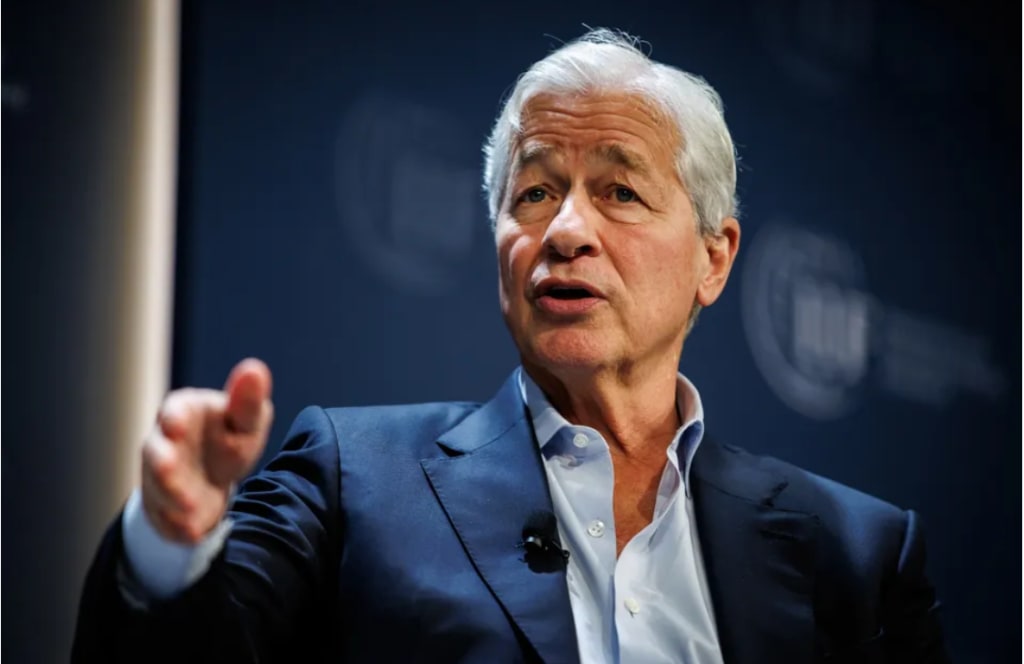
Former President Donald Trump has filed a $5 billion lawsuit against JPMorgan Chase, alleging that the banking giant unfairly severed its relationship with him and his businesses—a practice commonly referred to as “debanking.” The move marks a high-profile legal confrontation that blends politics, finance, and corporate accountability, drawing attention from investors, legal analysts, and the public alike.
The lawsuit claims that JPMorgan’s actions caused significant financial harm to Trump and his business interests, reigniting debates about banking practices and political influence in corporate decision-making.
What Does the Lawsuit Claim?
According to the filing, Trump alleges that JPMorgan engaged in unlawful debanking, closing accounts and terminating credit lines without legitimate cause. The complaint claims this has:
Hindered Trump’s business operations
Damaged his reputation
Caused direct financial losses worth billions
Trump argues that the bank’s actions were politically motivated, asserting that he was treated differently from other clients due to his political profile and past presidency. The lawsuit seeks $5 billion in damages and aims to hold JPMorgan accountable for the alleged financial and reputational harm.
Understanding Debanking
“Debanking” refers to the practice of financial institutions terminating services or refusing to provide accounts and credit to individuals or organizations. While banks have discretion to manage risk, critics argue that debanking can sometimes be used as a tool to target politically or socially controversial figures.
In recent years, high-profile individuals and businesses have claimed they were debanked for political, social, or reputational reasons. Trump’s lawsuit brings one of the most prominent examples of this practice into the spotlight, raising questions about the limits of corporate discretion.
JPMorgan’s Response
JPMorgan Chase has not publicly commented in detail on the lawsuit but has historically maintained that decisions to close accounts or limit services are based on risk assessment and regulatory compliance, rather than political considerations.
Industry experts suggest that banks often weigh factors such as:
Regulatory obligations (e.g., anti-money laundering rules)
Reputation risk
Financial stability of the client
While these factors are legally acceptable, proving political bias in court can be challenging, making Trump’s case a potentially complex legal battle.
Legal and Financial Implications
If the lawsuit proceeds, it could have wide-reaching implications for the banking and political sectors:
For Banks: The case may set a precedent regarding how financial institutions manage politically prominent clients. A ruling in Trump’s favor could limit banks’ discretion or encourage more transparency.
For Politics: The lawsuit reinforces the ongoing debate about whether high-profile figures face unequal treatment in financial services due to political alignment.
For Investors and Markets: Any legal judgment or settlement could affect JPMorgan’s financial outlook or public perception, particularly if the case draws attention from regulators or media outlets.
Legal analysts predict a prolonged courtroom battle, potentially spanning multiple years, given the complexity and high-profile nature of the parties involved.
Context: Trump and JPMorgan
Trump’s relationship with JPMorgan is long-standing, dating back to the early days of his real estate empire. The bank has historically provided loans for real estate projects, operational financing, and personal accounts.
However, following Trump’s political rise and controversial actions during his presidency, the relationship reportedly became strained. Trump and his team have claimed that several major financial institutions, including JPMorgan, chose to limit exposure to his businesses—a decision they argue was unfair and politically motivated.
Public and Political Reaction
The lawsuit has elicited reactions from multiple corners:
Supporters of Trump argue that the case highlights a need for accountability and challenges the influence of large banks over political figures.
Critics view the lawsuit as another attempt to capitalize on legal processes for publicity or financial gain.
Financial observers note that proving political motivation in court is notoriously difficult, and the case could serve more as a public relations battleground than a straightforward legal contest.
Media coverage has already framed the lawsuit as a clash between a former president and one of the world’s largest financial institutions, generating headlines globally.
Broader Implications of Debanking Allegations
Debanking allegations like those raised by Trump reflect a growing tension between financial institutions and clients perceived as high-risk or controversial. Key issues include:
Freedom of choice vs. risk management: Banks must balance serving clients with managing regulatory and reputational risks.
Transparency and accountability: Customers increasingly demand clarity on why banking services are denied or withdrawn.
Political neutrality: Corporations face scrutiny if their actions appear influenced by politics rather than legitimate business reasons.
Trump’s lawsuit will likely fuel further discussion about the boundaries of banking discretion and the role of corporate power in political contexts.
What Happens Next?
The case is expected to proceed through pre-trial motions, discovery, and potentially a high-profile trial. Both sides may also consider settlement discussions to avoid prolonged litigation and public scrutiny.
Legal experts anticipate:
Extensive document review related to JPMorgan’s account closures
Testimonies from executives and financial analysts
Analysis of Trump’s claims regarding political bias versus standard banking practice
Regardless of the outcome, the lawsuit is already shaping narratives around corporate accountability and political influence in the financial sector.
Final Thoughts
Trump’s $5 billion lawsuit against JPMorgan is a high-stakes legal battle at the intersection of politics, business, and banking ethics. It raises important questions about debanking practices, corporate discretion, and whether political figures are treated differently by major financial institutions.
For the public, the case is a reminder of the complex interplay between wealth, influence, and financial regulation. For banks, it highlights the need for clear policies, transparency, and consistent practices in handling high-profile clients. And for Trump, the lawsuit represents an opportunity to challenge a major institution in court while keeping public attention on his financial and political influence.
As this case unfolds, it will be closely watched not only by the legal and financial communities but also by the millions who follow the former president’s ongoing battles in business and politics. The courtroom showdown promises to be a pivotal moment in debates over corporate power, political neutrality, and the responsibilities of global financial institutions.
Suggested Category: Business ✅ (Primary)
Alternative Category: Politics / Community
Recommended Tags:
Donald Trump
JPMorgan Chase
Debanking
Banking Lawsuit
Political Influence
Corporate Accountability
Financial News
About the Creator
Muhammad Hassan
Muhammad Hassan | Content writer with 2 years of experience crafting engaging articles on world news, current affairs, and trending topics. I simplify complex stories to keep readers informed and connected.
Keep reading
More stories from Muhammad Hassan and writers in The Swamp and other communities.
Winter Snowstorm: What To Expect If You’re Flying This Weekend—As Major Airlines Issue Waivers
Winter weather is about to make travel tricky this weekend as a major snowstorm sweeps across parts of the United States, prompting airlines to issue flight waivers and caution passengers to plan ahead. From cancellations to delayed departures, travelers should be aware of what to expect before heading to airports.
By Muhammad Hassana day ago in The Swamp
Speculation Mounts: Japan to Buy Yen, Perhaps With US Help
Financial markets are abuzz with speculation that Japan may intervene to support the yen, potentially with coordination or assistance from the United States. The move would mark a rare but significant step in currency management, as Japan seeks to stabilize the yen amid volatility that has rattled investors and global trade.
By Aarif Lashariabout an hour ago in The Swamp
Royal Mail Warns Customers It May ‘Suspend Deliveries to Your Address’
Royal Mail has issued a warning to certain customers, indicating that it may temporarily suspend deliveries to specific addresses under certain circumstances. This announcement has raised concerns among residents and businesses alike, highlighting the challenges facing postal services in the UK amid rising operational pressures.
By Aarif Lashariabout 20 hours ago in The Swamp




Comments
There are no comments for this story
Be the first to respond and start the conversation.