
Global Tensions and Health Alerts Raise Concerns in Pakistan
Developments involving the United States, Iran, and regional health risks dominate news coverage

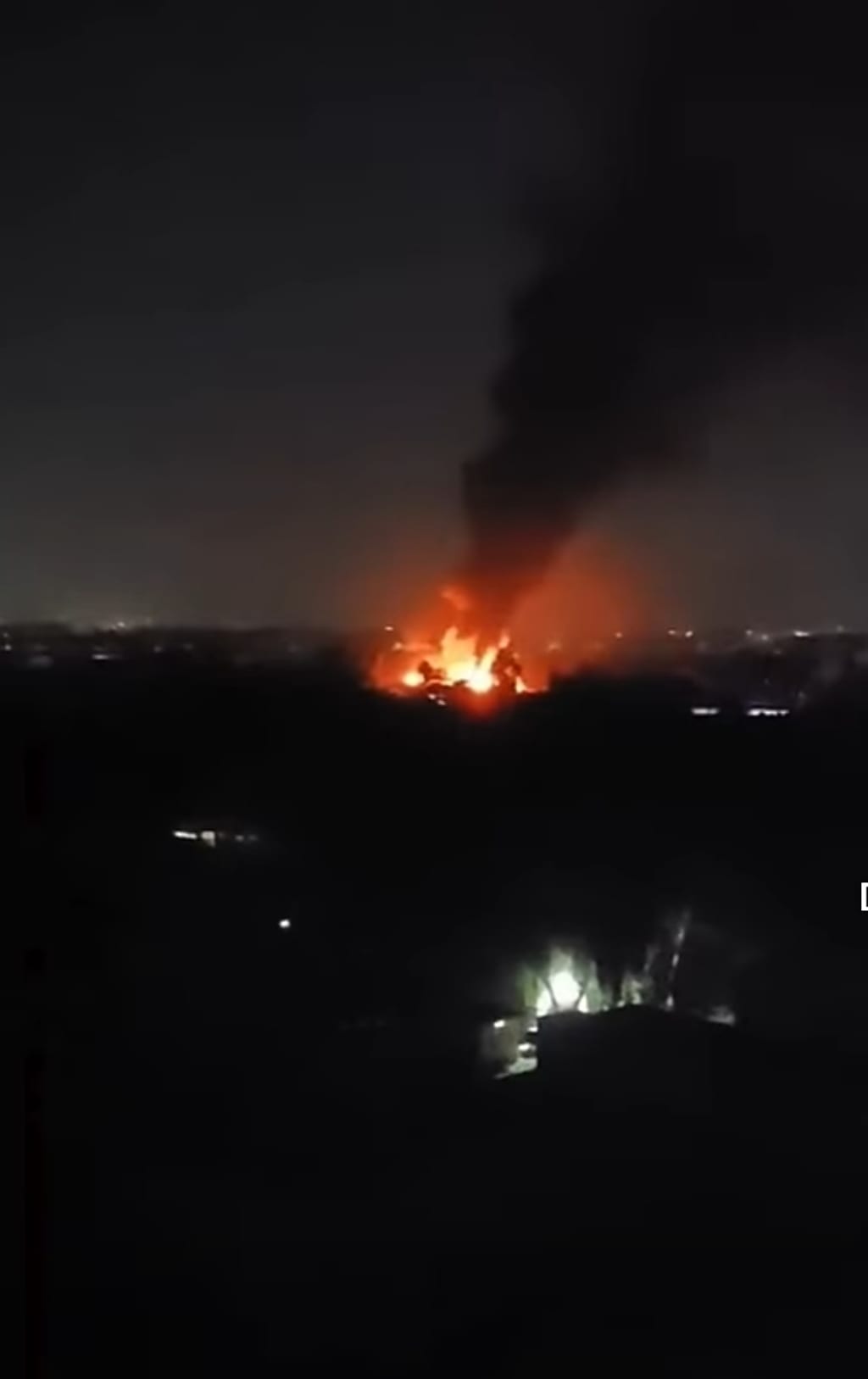
Rising Tensions Between the US and Iran
International attention has once again shifted toward the Middle East as reports indicate that US President Donald Trump is weighing possible military strikes against Iran over ongoing nuclear concerns. The situation has fueled fears of a broader conflict, with global leaders closely monitoring developments. Pakistani television channels, including SAMAA TV and PTV, have been providing extensive coverage of the evolving situation.
According to international media reports, the United States has expressed concerns over Iran’s nuclear program, stating that certain activities may violate existing agreements or threaten regional stability. While no final decision has been announced, discussions within US policy circles have raised the possibility of limited military action.
Media Coverage and Public Reaction
In Pakistan, news outlets have focused on the potential implications of a US-Iran conflict. SAMAA TV and PTV aired analysis segments explaining how military escalation could impact oil prices, regional security, and diplomatic relations. Viewers were also briefed on Pakistan’s official stance, which traditionally supports dialogue and peaceful resolution of disputes.
Public reaction has been mixed, with many expressing concern over the prospect of another conflict in the region. Analysts appearing on television stressed that any escalation could have long-term consequences for global stability, particularly for countries already facing economic challenges.
Iran’s Position on Nuclear Activities
Iran has repeatedly maintained that its nuclear program is intended for peaceful purposes. Iranian officials have denied allegations of weapon development and have called for negotiations rather than threats of force. Diplomatic channels remain active, with several countries urging restraint from all sides.
Experts note that past tensions between Washington and Tehran have often resulted in heightened rhetoric without immediate military action. However, the current situation is being closely watched due to its potential to disrupt existing diplomatic efforts.
Regional Implications of a Possible Conflict
A military confrontation between the US and Iran would have consequences beyond their borders. Middle Eastern countries, many of which are already facing political and economic pressures, could be drawn into the situation. Shipping routes, particularly in the Strait of Hormuz, are seen as vulnerable in the event of escalation.
For Pakistan, instability in the region could affect energy supplies and trade routes. Economists appearing on national television highlighted the importance of preparedness, especially in managing fuel costs and ensuring economic stability.
Pakistan’s Diplomatic Approach
Pakistan has historically emphasized the importance of dialogue in resolving international disputes. Officials have reiterated that diplomatic engagement remains the best path forward. While Pakistan is not directly involved in the dispute, developments are being monitored due to their potential regional impact.
Foreign policy observers suggest that Pakistan may continue to advocate for peaceful negotiations through international forums. Maintaining balanced relations with both the United States and Iran remains a key consideration.
---
Health Concerns Emerge from Neighboring India
While global attention remains fixed on geopolitical developments, regional health concerns have also surfaced. Reports of Nipah virus cases in neighboring India have prompted Pakistani health authorities to issue alerts and review preparedness measures.
The Nipah virus, a zoonotic disease, has caused outbreaks in parts of India in recent years. Health experts describe it as a serious infection that can spread through close contact and contaminated food sources. Although no cases have been reported in Pakistan, vigilance has been increased as a precaution.
Government Response and Preparedness
Pakistan’s Ministry of Health has advised hospitals and provincial health departments to remain alert. Screening protocols at airports and border crossings are being reviewed, particularly for travelers arriving from affected areas.
Health officials emphasized that early detection and isolation are critical in preventing the spread of infectious diseases. Medical staff have been advised to report suspected cases immediately and follow established response guidelines.
Public Awareness and Preventive Measures
Authorities have urged the public to rely on verified information and avoid unnecessary panic. Basic preventive measures, such as maintaining hygiene and seeking medical attention for unusual symptoms, have been highlighted in public advisories.
Television channels and digital platforms have played a role in disseminating accurate information about the virus. Medical experts appearing on talk shows explained symptoms and stressed that awareness is the first line of defense.
Cross-Border Health Coordination
Health experts believe that coordination between neighboring countries is essential in managing disease risks. Sharing information and adopting standardized response measures can help reduce the likelihood of cross-border transmission.
Pakistan has experience in managing public health emergencies and continues to strengthen its surveillance systems. Officials stated that lessons learned from previous outbreaks are being applied to current preparedness efforts.
---
Balancing Global and Regional Challenges
The combination of geopolitical tensions and health alerts presents a complex challenge for policymakers. While global developments demand diplomatic attention, regional health risks require immediate and practical responses.
Analysts argue that effective governance depends on addressing both external and internal concerns simultaneously. Maintaining public trust through transparency and timely communication remains critical.
Role of Media in Informing the Public
Pakistani media outlets have played a central role in covering both developments. SAMAA TV and PTV have focused on fact-based reporting, expert opinions, and official statements to inform viewers without creating unnecessary alarm.
Responsible reporting, observers note, is essential during times of uncertainty. Providing context and verified information helps audiences understand risks and avoid misinformation.
---
Looking Ahead
As the international situation continues to evolve, Pakistan remains watchful of developments related to the US-Iran dispute. At the same time, health authorities are maintaining readiness to respond to any emerging threats.
These parallel challenges highlight the interconnected nature of today’s world. Decisions made beyond national borders can have direct effects at home, reinforcing the need for preparedness, diplomacy, and informed public discourse.
---
About the Creator
Saad
I’m Saad. I’m a passionate writer who loves exploring trending news topics, sharing insights, and keeping readers updated on what’s happening around the world.
Xi’s Purge of Top General Spurs Questions on Taiwan, Succession
In one of the most dramatic political moves in recent Chinese history, President Xi Jinping has targeted one of his longest-serving military allies, General Zhang Youxia, vice chairman of China’s Central Military Commission (CMC). The purge has sparked serious questions about Beijing’s plans for Taiwan and the future of political succession in China.
By Aqib Hussain6 days ago in The Swamp
Imran Khan’s Health in ‘Grave Danger’ After Eye Blockage Diagnosis, Party Says
Political tensions rise as concerns grow over the former prime minister’s medical condition Fresh concerns have emerged over the health of former Pakistani Prime Minister Imran Khan, after his political party warned that his condition is in “grave danger” following a diagnosis related to an eye blockage. The statement has drawn widespread attention, adding a new layer of urgency to Pakistan’s already tense political climate. According to party representatives, the condition requires immediate and proper medical care. They argue that delays or restrictions in treatment could lead to serious and potentially irreversible consequences. While official medical details remain limited, the warning has sparked debate over prisoner health rights, transparency, and political accountability. What the Party Has Claimed Imran Khan’s party has stated that doctors identified a blockage affecting his eye, a condition that can interfere with blood flow and vision. Party officials say the diagnosis raises serious concerns and should be treated as a medical emergency. They have emphasized that eye-related blockages, if left untreated, may lead to long-term damage. The party insists that timely access to specialists, diagnostic tests, and treatment is essential to prevent further complications. The use of strong language such as “grave danger” reflects growing frustration among supporters, who believe Khan’s health situation is not being handled with the seriousness it deserves. Why Health Claims Matter in Detention Health concerns involving detained political leaders often draw public attention, especially in countries where politics is deeply polarized. International norms stress that detainees, regardless of status, are entitled to adequate medical care. Legal experts note that access to healthcare is not a political privilege but a basic right. When health warnings are ignored or delayed, they can become human rights issues, attracting scrutiny from courts, civil society, and international observers. In Khan’s case, supporters argue that medical transparency would help reduce speculation and restore public confidence. Understanding Eye Blockage Conditions While exact medical details have not been officially released, eye blockages generally refer to restricted blood flow affecting vision. These conditions can vary in severity and cause. Possible risks include: Sudden vision loss Persistent pain or pressure Long-term damage if untreated Medical professionals often stress early diagnosis and intervention. However, without official medical reports, it remains unclear how advanced the condition may be. Political Context Behind the Concern Imran Khan remains one of Pakistan’s most influential and divisive political figures. His legal troubles and detention have fueled ongoing political tensions across the country. Any development related to his health quickly becomes politically charged, with supporters viewing it as a test of fairness and opponents urging caution against politicizing medical issues. This situation highlights the difficulty of separating health matters from politics in high-profile cases. Calls for Transparency and Independent Review Human rights groups and legal analysts have repeatedly emphasized the importance of independent medical assessments in cases involving detained leaders. Transparent medical evaluations help ensure credibility and prevent misinformation. Party leaders have demanded that: Independent doctors be allowed to examine Khan Medical reports be shared with legal teams Treatment decisions remain free from political influence Such steps, they argue, would reduce tensions and reassure the public. Public Reaction and Supporter Response News of Khan’s reported health condition has triggered strong reactions among his supporters. Many have taken to social media to express concern and demand immediate action. Public gatherings, online campaigns, and legal petitions have followed similar health-related claims in the past. Analysts warn that continued uncertainty could lead to increased unrest if supporters believe medical needs are being ignored. At the same time, others urge patience, calling for verified information rather than emotionally driven conclusions. Government Silence and Official Position So far, official responses have been limited. Authorities have not released detailed medical statements addressing the party’s claims, which has fueled speculation. In high-profile cases, delays in communication often worsen public mistrust. Observers note that clear and factual updates could help ease tensions and prevent rumors from spreading. Silence, even if procedural, can be interpreted as indifference in politically sensitive situations. Health, Law, and Political Stability The situation underscores how health issues intersect with law and political stability. When the health of a prominent political figure is questioned, the impact extends beyond personal well-being. Such moments test: Legal safeguards for detainees Institutional transparency Public trust in governance Pakistan has faced similar challenges in the past, where unresolved health controversies added pressure to already fragile political environments. What Happens Next The coming days may prove crucial. Much will depend on whether: Independent medical evaluations are allowed Official health updates are shared Treatment access is clearly confirmed If authorities address the concerns openly, tensions may ease. If not, the issue could continue to dominate political discourse and legal proceedings. Conclusion The claim that Imran Khan’s health is in “grave danger” following an eye blockage diagnosis has intensified scrutiny on how health issues are managed in politically sensitive cases. While medical facts remain limited, the situation highlights broader questions about detainee rights, transparency, and accountability. In a deeply divided political landscape, clear communication and proper medical care are essential—not only for Khan’s well-being but also for maintaining public confidence. As attention remains focused on his condition, the response from authorities may shape both political reactions and public trust in the days ahead.
By Fiaz Ahmed 3 days ago in The Swamp



Comments
There are no comments for this story
Be the first to respond and start the conversation.