
Germany’s Push for Europe’s Strongest Army: How a New Conscription Bill Is Bringing It Closer
Inside Germany’s Bold Plan to Build Europe’s Strongest Military”

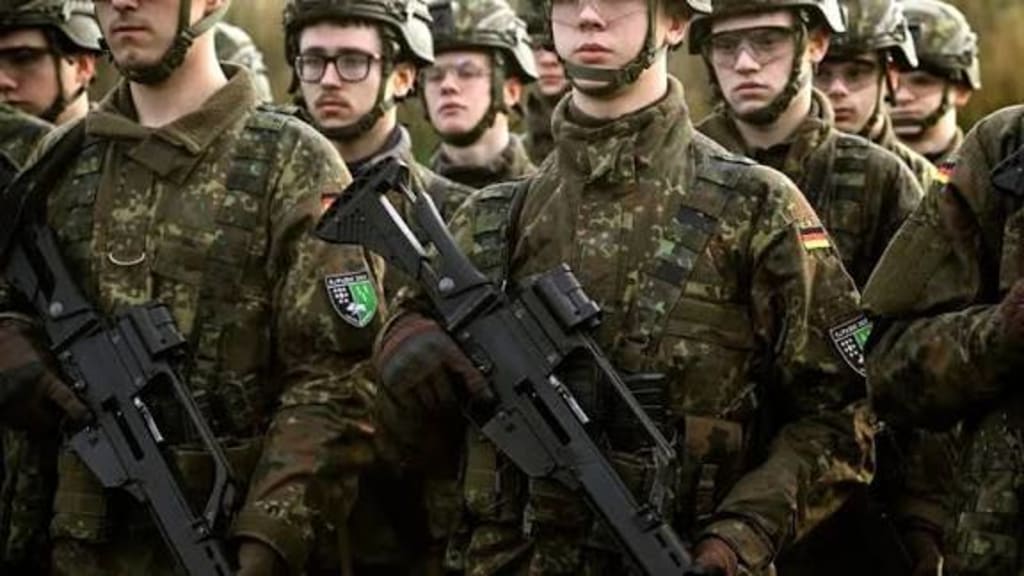
For decades, Germany has been known more for its economic strength than its military power. After World War II, the country adopted a cautious approach to defence, shaped by its past and a desire to build a peaceful, stable Europe. But the world has changed, and Germany is changing with it. Today, the nation is taking bold steps to rebuild its military, and a new conscription bill may be the biggest transformation yet. The plan signals Germany’s ambition to develop Europe’s strongest army—a goal driven by shifting global threats, pressure from allies, and a rapidly evolving defence landscape.
Why Germany Wants a Stronger Military
Russia’s full-scale invasion of Ukraine in 2022 shocked Europe. Suddenly, the security that the continent took for granted seemed fragile. Countries that once felt safe began increasing defence budgets and reassessing their military readiness. Germany, long criticised for spending too little on its defence, realised that its role as Europe’s largest economy comes with responsibilities.
Chancellor Olaf Scholz called the shift a “Zeitenwende,” or turning point—a moment when Germany must redefine its place in global security. This includes protecting European borders, defending NATO allies, and deterring threats.
A strong army is not just a military goal; it is a political message. Germany wants to show that it is ready to lead when Europe’s security is at risk.
What the New Conscription Bill Proposes
Germany ended compulsory military service in 2011, moving to a volunteer-only army. Since then, recruitment has been difficult, and troop numbers have steadily declined. The new bill aims to reverse this trend.
Here are the major points of the proposed plan:
Reintroducing mandatory military registration for all young men, with women allowed to volunteer.
Assessments and interviews to determine fitness for service.
A selective form of partial conscription, meaning only a portion of eligible citizens would actually be drafted.
Expansion of civil service options for those who do not wish to join the military.
A target to strengthen the Bundeswehr (German Armed Forces) to meet NATO commitments.
The government argues that this hybrid system—part voluntary, part selective conscription—will help Germany rapidly scale its military strength without overwhelming young adults or the economy.
Aiming to Build Europe’s Strongest Army
Germany already spends tens of billions of euros on defence, but the new plan is about more than money. The government wants a military that is modern, efficient, and ready for real threats. This includes:
Advanced air defence systems
New tanks and armored vehicles
Long-range precision weapons
Better pay and working conditions for soldiers
Investments in cybersecurity and digital warfare
With NATO expecting member states to play bigger roles, Germany hopes to become the backbone of Europe’s defence.
Public Reaction: Mixed but Growing Support
Not everyone in Germany welcomes the idea of conscription. Many young people worry about being forced into service, and some political parties argue that compulsory military duty is unnecessary in a modern democracy.
However, support is growing. The war in Ukraine and rising global tensions have convinced many Germans that the country needs to be prepared. A strong army, they say, can help prevent war, not create it. Supporters of the bill argue that shared responsibility strengthens national unity and ensures that defence does not fall on volunteers alone.
Impact on Europe and NATO
If Germany succeeds in building Europe’s strongest army, the impact will be felt across the continent. It could:
Reduce Europe’s long-term reliance on the United States for defence.
Provide strong deterrence against Russia and other threats.
Encourage other European nations to modernize their forces.
Strengthen NATO’s eastern flank.
Germany’s partners, particularly in Eastern Europe, have encouraged Berlin to take on a larger military role. A powerful German army could become a cornerstone of Europe’s defence structure.
Challenges Ahead
The plan is ambitious, and Germany faces obstacles:
Recruiting enough young people to fill army roles
Updating outdated equipment
Ensuring public acceptance of conscription
Funding the massive modernization push
But despite these challenges, Germany seems determined. The war in Ukraine has made it clear that peace cannot be taken for granted, and Berlin is responding with urgency.
Conclusion
Germany’s new conscription bill represents a historic shift in national defence policy. It brings the country closer to its goal of building Europe’s strongest military, a force capable of protecting its citizens, supporting NATO, and stabilizing Europe in uncertain times. Whether Germany can fully achieve this vision remains to be seen, but one thing is clear: the nation is stepping into a new era—one defined by preparedness, responsibility, and a clear understanding of the threats facing the modern world.
About the Creator
Fiaz Ahmed
I am Fiaz Ahmed. I am a passionate writer. I love covering trending topics and breaking news. With a sharp eye for what’s happening around the world, and crafts timely and engaging stories that keep readers informed and updated.
Keep reading
More stories from Fiaz Ahmed and writers in The Swamp and other communities.
High-Profile Republican Marjorie Taylor Greene to Quit Congress After Trump Feud
Marjorie Taylor Greene, one of the most visible and controversial figures in American politics, has once again captured national attention—but this time, for a reason even her strongest supporters didn’t see coming. According to recent reports, the high-profile Republican from Georgia is preparing to leave Congress following an escalating and very public feud with former President Donald Trump. The news has sent shockwaves across Washington, exposing new rifts inside the Republican Party just months before another heated election cycle.
By Fiaz Ahmed 2 months ago in The Swamp
Iran Protests Live Updates: Death Toll Passes 2,500 as Trump Warns Tehran Against Executions
Iran is facing one of the deadliest periods of unrest in its modern history as ongoing protests continue to grip cities across the country. According to reports from human rights organizations and activist networks, the death toll linked to the protests has now passed 2,500, underscoring the scale and severity of the crackdown by Iranian security forces. As the situation escalates, former U.S. President Donald Trump has issued a warning to Tehran, urging authorities to halt executions and calling for international attention to the crisis.
By Aarif Lashari6 days ago in The Swamp



Comments
There are no comments for this story
Be the first to respond and start the conversation.