
Japan Nuclear Agency Worker Loses Phone with Confidential Data in China
A security breach raises questions about nuclear safety, data protection, and international protocols.


In a concerning development for nuclear security and international data management, a worker from Japan’s nuclear agency reportedly lost a phone containing confidential information while traveling in China. The incident has sparked alarm among policymakers, cybersecurity experts, and the global nuclear oversight community, highlighting the risks of sensitive data exposure in an era of digital mobility.
Although the full details of the lost device and its contents have not been publicly disclosed, sources suggest the data could include technical information about nuclear facilities, safety protocols, and possibly classified operational details. The breach raises serious questions about protocols for handling sensitive information abroad and the potential geopolitical implications.
What Happened
According to reports, the employee—whose name has not been released—was traveling in China when the phone went missing. It is unclear whether the loss was accidental, such as a misplaced device or theft, but the fact that the device contained confidential data has made the incident highly sensitive.
Japan’s nuclear agency has confirmed the incident internally and is reportedly investigating the scope of the potential breach. Officials are assessing whether the lost data could pose risks to national security, facility safety, or international partnerships.
Potential Risks of the Data Loss
Losing a device with confidential nuclear data is a serious security concern. Experts warn of several potential risks:
National Security Exposure: Technical and operational information about nuclear facilities could be exploited by malicious actors if it falls into the wrong hands.
Cybersecurity Threats: Even if the device is encrypted, the possibility of cracking or extracting information from the phone remains.
International Relations: Given that the phone was lost in China, there could be diplomatic sensitivities, especially if foreign authorities gain access to sensitive material.
Operational Safety: Any exposure of procedural or design information could compromise the safety and security protocols of nuclear installations.
While there is no evidence yet that the data has been accessed or leaked, the incident underscores the vulnerability of mobile devices as carriers of highly sensitive information.
Japan’s Response
Japanese authorities are reportedly taking multiple steps to contain the situation:
Internal Investigation: The nuclear agency is conducting a review to determine what data was on the device and how critical it is.
Enhanced Security Measures: Officials are evaluating whether current data protection protocols were adequate and whether additional safeguards are necessary.
Diplomatic Coordination: Japan may engage in discreet diplomatic channels to ensure the incident does not escalate into an international security concern.
Employee Training: The case may lead to stricter rules for carrying sensitive devices abroad, including mandatory encryption, remote wipe capabilities, and secure transport protocols.
A spokesperson for the agency emphasized that protecting nuclear information remains a top priority and that the agency is “taking all necessary measures to assess and mitigate any potential risks.”
Why This Matters
The incident is significant for several reasons. First, it highlights the increasing vulnerability of sensitive data in the digital age, particularly when employees travel internationally. Phones, laptops, and portable storage devices are convenient but inherently risky for handling classified information.
Second, it reflects the high stakes of nuclear information security. Unlike financial or corporate data, nuclear data can have severe consequences if exposed, ranging from facility sabotage risks to geopolitical tensions.
Third, it underscores the need for international standards on nuclear data protection. While countries maintain internal security protocols, there is often limited guidance for employees traveling abroad with sensitive information. The lost phone in China could serve as a wake-up call for broader discussions about secure practices and global cooperation.
International and Cybersecurity Implications
Cybersecurity experts note that this incident could have broader implications beyond Japan. In an interconnected world, the loss of a single mobile device can create ripple effects, particularly if sophisticated adversaries attempt to extract information.
Some key considerations include:
Data Encryption and Remote Wipe: Ensuring devices are encrypted and can be wiped remotely is essential for mitigating potential breaches.
Employee Risk Awareness: Employees carrying sensitive information must understand the stakes and follow strict protocols.
Cross-Border Security Challenges: Traveling with confidential data introduces complications, including potential exposure to foreign surveillance or theft.
China’s role in this case may also be scrutinized, though there is no suggestion that the country is involved in malicious activity. Nonetheless, the geopolitical sensitivities surrounding nuclear technology mean that even accidental losses can have diplomatic consequences.
Lessons for Agencies and Corporations
While this incident involves nuclear data, the lessons apply to any organization handling sensitive information:
Minimize Mobile Storage: Only carry what is necessary, and avoid storing sensitive material on mobile devices whenever possible.
Strict Encryption: Devices containing sensitive data should use the highest level of encryption and multi-factor authentication.
Travel Protocols: Agencies should implement strict policies for employees traveling internationally, including secure transport methods and pre-approved routes.
Rapid Response Plans: Having a clear response plan in case of data loss ensures quick mitigation and minimizes potential fallout.
Looking Ahead
The Japan nuclear agency’s phone incident is likely to prompt a re-evaluation of security protocols not just in Japan, but internationally. Agencies and corporations alike will be reminded of the inherent risks in combining mobility with sensitive data.
For Japan, the priority will be ensuring the data has not been accessed, preventing similar incidents, and maintaining public confidence in nuclear safety. For the global community, the event is a stark reminder that even seemingly small security lapses can carry serious consequences.
Final Thoughts
The loss of a phone containing confidential nuclear data in China is a cautionary tale for the digital age. It illustrates how human error, device vulnerability, and international travel intersect to create potential security risks.
While the full implications of the incident remain under investigation, the case emphasizes the importance of robust cybersecurity measures, employee training, and international protocols. In a world where information travels faster than borders, even a single misplaced device can become a global concern.
As authorities work to assess the damage and prevent further breaches, the incident will likely influence policies on sensitive data handling across industries, setting new standards for security in the nuclear sector—and beyond.
About the Creator
Muhammad Hassan
Muhammad Hassan | Content writer with 2 years of experience crafting engaging articles on world news, current affairs, and trending topics. I simplify complex stories to keep readers informed and connected.
Keep reading
More stories from Muhammad Hassan and writers in The Swamp and other communities.
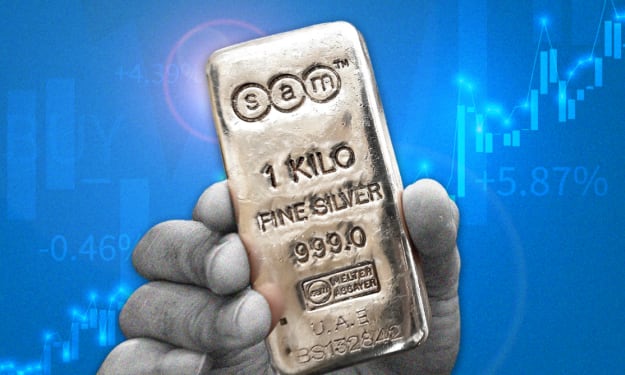
Here’s Everything Investors Need to Know About the Historic Silver Rally in 10 Charts
The precious metals market is experiencing an unusual surge, and silver is stealing the spotlight. After years of relatively muted performance compared to gold, silver prices have recently skyrocketed, attracting renewed attention from retail and institutional investors alike. Analysts describe the rally as historic, not just for its speed, but also for the market dynamics driving it. For anyone with exposure to precious metals—or considering entering the market—understanding what’s fueling the rally is critical. Investors are increasingly turning to visual data, such as charts, to make sense of trends, compare performance, and assess risks. In this article, we break down the silver surge and highlight the most important insights in 10 key charts that explain why this rally is capturing global attention. 1. Silver Price Over the Past Decade The first chart shows silver prices from 2016 to 2026. While the price remained relatively stable for much of the last decade, recent months have seen dramatic upward movement. This spike reflects a combination of increased industrial demand, investor interest, and macroeconomic uncertainty driving safe-haven buying. Key takeaway: Silver is breaking through historical resistance levels, hinting at a potential shift in market sentiment. 2. Gold-to-Silver Ratio Investors often watch the gold-to-silver ratio as a measure of relative value. Traditionally, silver trades at a lower price than gold, but the ratio can signal whether silver is undervalued. Recent charts show the ratio declining sharply, meaning silver is gaining faster than gold—a bullish signal for silver investors. Key takeaway: Historically, periods when the ratio drops have been followed by significant silver price gains. 3. Silver ETFs Inflows Exchange-traded funds (ETFs) are a major driver of precious metal investment. One chart highlights inflows into silver ETFs over the past two years. Surging inflows indicate strong investor demand, particularly from institutional players seeking exposure without owning physical silver. Key takeaway: Investor appetite is at a decade-high, contributing to upward price pressure. 4. Mining Production vs. Demand Supply constraints can fuel rallies. One chart compares global silver mining production to industrial and investment demand. Production has been relatively flat, while demand for electronics, solar panels, and silver bullion has increased. Key takeaway: Tight supply relative to demand is supporting prices and creating upward momentum. 5. Inflation Trends and Precious Metals Silver, like gold, is often considered a hedge against inflation. A chart comparing UK, US, and global inflation rates to silver prices shows a correlation: periods of rising inflation often coincide with rising silver prices. Key takeaway: Inflation fears are likely contributing to the current rally, as investors seek to preserve purchasing power. 6. Silver Futures Trading Volume Futures markets provide insight into investor sentiment and speculation. A chart showing trading volume in silver futures contracts reveals heightened activity in recent months, suggesting that both hedgers and speculators are positioning for further gains. Key takeaway: High futures volume indicates confidence—and volatility—can be expected in the near term. 7. Industrial Demand Segments Unlike gold, silver has major industrial uses in electronics, solar energy, and medical devices. One chart breaks down silver demand by sector, highlighting how growth in renewable energy and tech industries is boosting silver consumption. Key takeaway: Structural demand from technology and energy sectors underpins long-term bullish trends. 8. Retail Investor Interest Retail investors are flocking to silver as part of a broader alternative investment trend. A chart tracking online search interest, social media mentions, and retail trading platforms shows spikes during key market events. Key takeaway: Retail demand can amplify price movements, creating momentum-driven rallies. 9. Comparative Performance With Other Assets Another chart compares silver returns versus gold, equities, and bonds over the past 12 months. Silver has outperformed most traditional asset classes, particularly in periods of market volatility. Key takeaway: Silver’s recent outperformance positions it as a compelling diversification tool for investors. 10. Historical Price Surges Finally, a chart showing historic silver rallies places the current surge in context. While the rally is impressive, past cycles suggest that volatility can be significant, and sharp corrections are possible. Key takeaway: Investors should balance enthusiasm with caution, recognizing that silver’s historical price swings can be extreme. What This Means for Investors The historic silver rally is driven by a mix of macroeconomic, industrial, and speculative factors. Inflation concerns, tight supply, industrial demand, and strong retail and institutional interest have all converged to push silver to multi-year highs. However, like all commodities, silver is volatile, and investors need to consider: Timing and entry points for investment Portfolio diversification to manage risk Long-term versus short-term investment strategies Charts provide clarity, but they also highlight the unpredictable nature of commodities markets. Understanding trends, correlations, and historical patterns is essential for making informed decisions. Final Thoughts Silver is no longer just a “poor man’s gold.” Its historic rally in 2026 demonstrates its relevance as both an investment and an industrial commodity. For investors, the surge offers opportunity—but also risk. By examining these 10 charts, it becomes clear that while momentum is strong, careful research and a long-term perspective remain key. Whether you’re a seasoned investor or new to precious metals, understanding the forces behind the rally will help you make better-informed decisions. Silver’s story in 2026 is a reminder that commodities markets can surprise, reward, and challenge investors all at once.
By Muhammad Hassan2 days ago in The Swamp
Trump Signals Tariffs on Nations That Oppose Greenland Goal
Former U.S. President Donald Trump has once again placed himself at the center of a global controversy — this time by signaling that tariffs could be imposed on countries opposing his ambition to bring Greenland under U.S. influence. The statement has ignited debate not only about international trade but also about sovereignty, alliances, and the future of Arctic geopolitics.
By Aqib Hussain3 days ago in The Swamp



Comments
There are no comments for this story
Be the first to respond and start the conversation.