
From Sitcom Stardom to Spiritual Calling: The Remarkable Journey of Demond Wilson
How the actor who made America laugh as Lamont Sanford found a deeper purpose beyond Hollywood

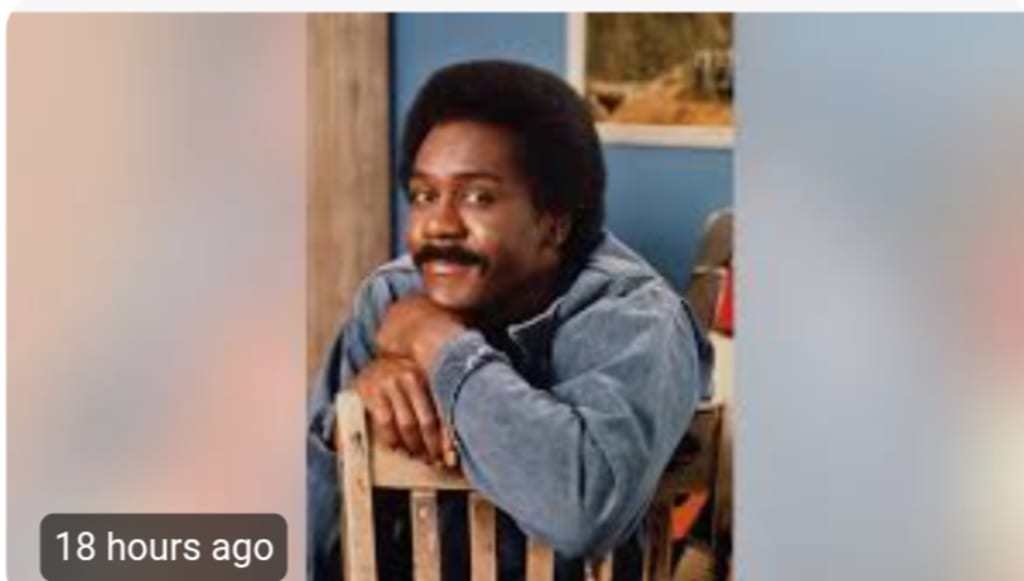
Demond Wilson is best remembered as Lamont Sanford, the quick-witted and long-suffering son in the classic 1970s sitcom Sanford and Son. His comedic timing and sharp delivery made him a household name and helped define one of the most beloved television shows of its era. Yet, while many fans recall Wilson for his humor and television success, fewer know about the profound personal transformation that led him away from Hollywood and toward a life devoted to faith and service.
Wilson’s life story is not just one of fame, but of survival, reinvention, and spiritual awakening.
Born on October 13, 1946, in Valdosta, Georgia, Demond Wilson grew up in New York City. His early years were shaped by hardship, discipline, and determination. As a teenager, he dreamed of acting and entertainment, but those ambitions were interrupted when he joined the U.S. Army during the Vietnam War. He served as part of the 4th Infantry Division and was seriously wounded in combat. This experience left a lasting emotional and physical impact on Wilson, shaping his perspective on life and mortality.
After returning home, Wilson pursued his passion for acting. He studied drama and began working in theater and television, landing small roles in shows like Mission: Impossible, All in the Family, and The Mod Squad. His big break came in 1972 when he was cast as Lamont Sanford opposite comedian Redd Foxx in Sanford and Son.
The show became an instant hit. Its bold humor, relatable characters, and groundbreaking representation of Black families resonated with audiences across America. Wilson’s portrayal of Lamont balanced Foxx’s outrageous antics with sincerity and emotional depth. Together, they created one of television’s most iconic father-son duos.
For six seasons, Sanford and Son dominated ratings and cemented Wilson’s place in pop culture history. Fame brought financial success and recognition, but it also brought pressure. Long working hours, creative conflicts, and the expectations of stardom took a toll on Wilson’s mental and emotional health. Behind the laughter, he struggled with personal questions about meaning and fulfillment.
In the late 1970s, Wilson experienced a life-altering spiritual awakening. He later described feeling disillusioned with Hollywood and deeply troubled by what he saw as moral emptiness in the entertainment industry. This turning point led him to step away from mainstream acting and pursue a new calling as a Christian minister.
His decision surprised many fans. Walking away from a successful acting career was risky, but Wilson felt compelled to follow a path guided by faith rather than fame. He became an ordained minister and founded Restoration House of America, a ministry focused on helping people find spiritual direction and personal healing.
Wilson did not completely abandon creativity. Instead, he redirected it. He began writing books that blended autobiography, theology, and social commentary. Titles such as Second Banana: The Bittersweet Memoirs of the Sanford and Son Years and New Age Millennium revealed a thoughtful, reflective man grappling with his past and his beliefs.
In Second Banana, Wilson offered an honest look at the challenges of working with Redd Foxx and the pressures of being in the shadow of a larger-than-life star. The book gave fans insight into the human side of television fame—highlighting conflict, exhaustion, and the emotional cost of success.
Despite stepping away from Hollywood, Wilson occasionally returned for small acting roles in later years, appearing in shows such as Girlfriends and The New Odd Couple. However, his main focus remained ministry, public speaking, and writing.
What makes Demond Wilson’s story compelling is not only his rise to fame, but his willingness to redefine success. In an industry driven by visibility and applause, he chose a quieter life devoted to faith and service. His journey challenges the idea that achievement must always be measured by popularity or money.
Wilson has spoken openly about how his wartime experiences and Hollywood pressures shaped his spiritual search. For him, faith offered peace where fame could not. This transformation also reflects a broader cultural narrative of the 1970s and 1980s, when many public figures sought deeper meaning amid social change and uncertainty.
Today, Demond Wilson stands as a symbol of reinvention. He is remembered fondly for Lamont Sanford, but his life beyond television reveals a man unafraid to walk away from comfort to pursue conviction. His story reminds audiences that personal growth does not always follow a straight line and that purpose can be found in unexpected places.
While sitcom reruns keep his comedic legacy alive, Wilson’s true impact may lie in his courage to listen to his inner calling. From battlefield to soundstage to pulpit, his life reflects resilience, faith, and the power of transformation.
Demond Wilson’s journey proves that sometimes the most meaningful role a person can play is not the one written in a script, but the one chosen in real life.
About the Creator
Sajida Sikandar
Hi, I’m Sajida Sikandar, a passionate blogger with 3 years of experience in crafting engaging and insightful content. Join me as I share my thoughts, stories, and ideas on a variety of topics that matter to you.
Keep reading
More stories from Sajida Sikandar and writers in The Swamp and other communities.
Microsoft Down
When Microsoft services suddenly went down, millions of users across the globe felt the impact almost instantly. From businesses unable to access cloud data to individuals locked out of email and productivity tools, the outage served as a powerful reminder of how deeply integrated Microsoft has become in everyday life. What began as a technical failure quickly turned into a worldwide disruption that affected workplaces, schools, and governments alike.
By Sajida Sikandarabout 5 hours ago in The Swamp
Mine Collapses in Eastern Congo, Leaving at Least 200 Dead
Introduction: A Deadly Tragedy in Eastern Congo In a catastrophic incident that has shocked the world, at least 200 people are feared dead after a mine collapsed in the volatile and resource-rich eastern region of the Democratic Republic of Congo (DRC). The disaster, which occurred in the town of Kibitanga, has further highlighted the dangers faced by miners in an industry that remains central to Congo’s economy. Despite the country being one of the richest in the world in terms of mineral resources, including cobalt, gold, and copper, the lack of oversight, poor safety standards, and the reliance on artisanal mining have led to such incidents becoming disturbingly frequent.
By Ayesha Lashariabout 24 hours ago in The Swamp
Living in a hemp house
Hemp, a multi-purpose crop that delivers fibres, shivs, seeds, and pharmaceuticals is currently used in insulation materials and bio-composites for a more sustainable construction industry. Russ Martin and his wife Karon Korp tell their story as owners of the first hemp house in the U.S.
By Susan Fourtané 6 days ago in Interview




Comments
There are no comments for this story
Be the first to respond and start the conversation.