
Forex Reserves to Hit All‑Time High by December 2026
Record forex reserves expected as remittances, controlled imports, and strategic external financing boost Pakistan’s economic resilience

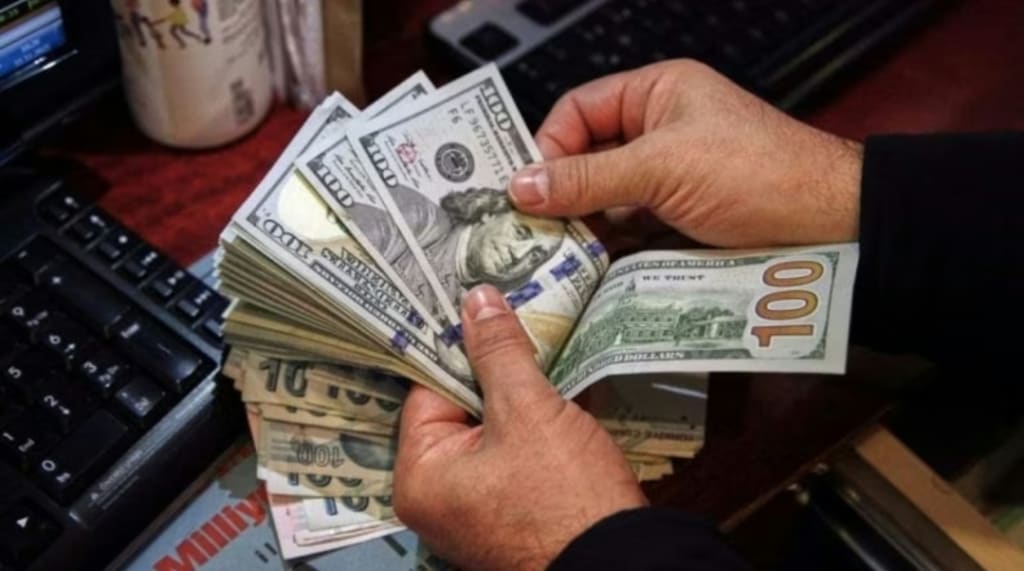
Pakistan set to achieve record foreign exchange reserves as economic outlook stabilises and confidence grows in external finances
Pakistan’s foreign exchange (forex) reserves are projected to reach an all‑time high of over $20.2 billion by December 2026, a milestone that would mark a significant improvement in the country’s external financial position and signal growing macroeconomic stability. Experts and financial analysts say this forecast reflects stronger external inflows, disciplined reserve management, and a stabilising balance of payments — developments that could help bolster investor confidence and protect the economy from external shocks.
Reaching Historic Levels
According to a recent report by Topline Securities, Pakistan’s State Bank of Pakistan (SBP) is expected to see its foreign exchange reserves climb to approximately $20.2 billion by the end of December 2026, surpassing previous records. If realised, this level would be the highest ever in the nation’s history and significantly increase the economy’s capacity to manage import payments and external obligations.
Analysts emphasise that this forecast excludes potential inflows from Panda bonds or Eurobonds — international debt instruments that Pakistan could issue to strengthen its reserve position further. Inclusion of such instruments could push reserves even higher, providing additional financial buffers.
Why It Matters: Import Cover and Economic Stability
A forex reserve level above $20 billion holds strategic importance for Pakistan’s economy. It would be sufficient to cover nearly three months of imports, offering a cushion against external vulnerabilities, including fluctuations in commodity prices or sudden stops in capital flows. Economists consider a three‑month import cover as a benchmark of economic resilience, particularly for emerging markets.
Foreign exchange reserves are a key indicator of a country’s ability to meet external obligations, stabilise the currency, and support macroeconomic policies. A strong reserve position reduces reliance on short‑term borrowing and enhances confidence among foreign investors and credit rating agencies.
Drivers of Reserve Growth
Several factors are contributing to the projected uptrend in Pakistan’s foreign exchange reserves:
1. Workers’ Remittances and Services Earnings
One of the primary sources of forex inflows has been remittances sent home by Pakistani expatriates. Sustained inflows through remittances help narrow the current account deficit and strengthen the reserves held by the SBP.
2. Managed Import Growth
Efforts to regulate import demand and improve export competitiveness have also played a role. While imports are projected to grow by around 8 percent in fiscal year 2026, exports may see a modest decline; the managed balance helps contain external pressures and contributes to reserve accumulation.
3. Official Inflows and Debt Rollover
Official inflows — such as loans, multilateral assistance, and successful rollover of external debt — have supported reserve growth in recent years. External financing under supportive fiscal management and adherence to IMF‑backed programmes have aided in stabilising the external account.
4. Interbank FX Purchases by SBP
The central bank has actively intervened in the foreign exchange market, purchasing dollars from the interbank system when feasible, contributing to reserve accumulation. Such operations reflect increased confidence in external liquidity and the central bank’s ability to manage currency pressures.
Recent Reserve Trends
Pakistan’s forex reserves have shown notable improvement over the past few years. For instance, reserves held by the SBP rose from around $9.39 billion at the end of FY24 to over $14.5 billion by the end of FY25, exceeding the target set by the International Monetary Fund (IMF). This increase was driven by commercial and multilateral inflows, successful debt rollovers, and improved external account management.
In late 2025, Pakistan’s total foreign exchange reserves, including central bank and commercial holdings, surpassed $21 billion, underscoring the upward trajectory of reserve accumulation.
Economic Implications of Rising Reserves
The forecasted increase in forex reserves has several broad economic implications:
Improved External Stability: A robust reserve cushion reduces the risk of sudden currency shocks and enhances the SBP’s capacity to defend the Pakistani rupee in turbulent market conditions.
Investor Confidence: Higher reserves are often correlated with greater investor confidence, leading to increased foreign direct investment and portfolio inflows, which can further stabilise financial markets.
Monetary Policy Support: Stronger reserves provide central banks with more flexibility in setting monetary policy, as they ease concerns over foreign liquidity constraints.
Debt Management: Increased reserves can reduce reliance on short‑term external financing, lowering refinancing risks and strengthening sovereign creditworthiness.
Challenges and Risks Ahead
Despite the optimistic forecast, several challenges could affect the path to the projected all‑time high in forex reserves:
Export Performance: Experts project a slight decline in exports in FY26, which could dampen reserve growth if not offset by other inflows.
External Debt Obligations: Pakistan faces significant external debt repayments and rollover requirements. While some of these have already been managed, ongoing obligations remain a risk factor requiring careful planning.
Global Economic Environment: Geopolitical tensions, global economic slowdown concerns, and trade disruptions could impact remittance flows, export demand, and official financing — all of which influence reserves.
Outlook and Conclusion
The projection that Pakistan’s forex reserves will hit an all‑time high by December 2026 reflects positive momentum in external finances, sustained inflows, and improved policy management. A reserve level exceeding $20 billion would significantly enhance Pakistan’s economic resilience, provide comfort to markets, and strengthen confidence in the country’s macroeconomic stability.
However, the realisation of this forecast depends on continued prudent fiscal management, stability in remittance and export flows, and successful external financing arrangements. If these conditions persist, the historic milestone could mark a turning point in Pakistan’s long‑term economic stability and financial strength.
About the Creator
Keep reading
More stories from Salaar Jamali and writers in The Swamp and other communities.
Mexico Shelves Planned Shipment of Oil to Cuba Amid US Tensions
In a move that has caught regional analysts and policymakers by surprise, Mexico has shelved a planned shipment of oil to Cuba, signaling a potential shift in its energy diplomacy as tensions with the United States intensify. The canceled delivery, originally scheduled for mid-January, underscores how energy, politics, and foreign relations are increasingly intertwined in the Western Hemisphere.
By Aqib Hussaina day ago in The Swamp
Who Is Tom Homan, Trump’s ‘Border Tsar’ Deployed to Minneapolis?
Tom Homan, the former acting director of U.S. Immigration and Customs Enforcement (ICE) under the Trump administration, has been deployed to Minneapolis in what officials describe as a federal support mission. Homan, often referred to as Trump’s “border tsar,” is known for his hardline stance on immigration enforcement, and his presence in Minnesota has drawn significant attention and sparked debate among local leaders, activists, and federal officials.
By Ayesha Lashariabout 11 hours ago in The Swamp
The Blue Ridge Stalker
Tom had left the Ford down the way, its spark plugs finally exhausted and no mechanics for a dozen miles back through the foothills to Strossburg. No matter, he had worn his boots—almost as if he planned for this to happen. The puzzle he sought to solve emanated from the woods clinging to the slopes above; the valley behind held no mysteries.
By Stephen A. Roddewig7 days ago in Fiction




Comments
There are no comments for this story
Be the first to respond and start the conversation.