
EU Mandates Buy‑European Preference in New Ukraine Assistance Package
Brussels ties billions in Ukraine aid to European industry and military procurement goals”

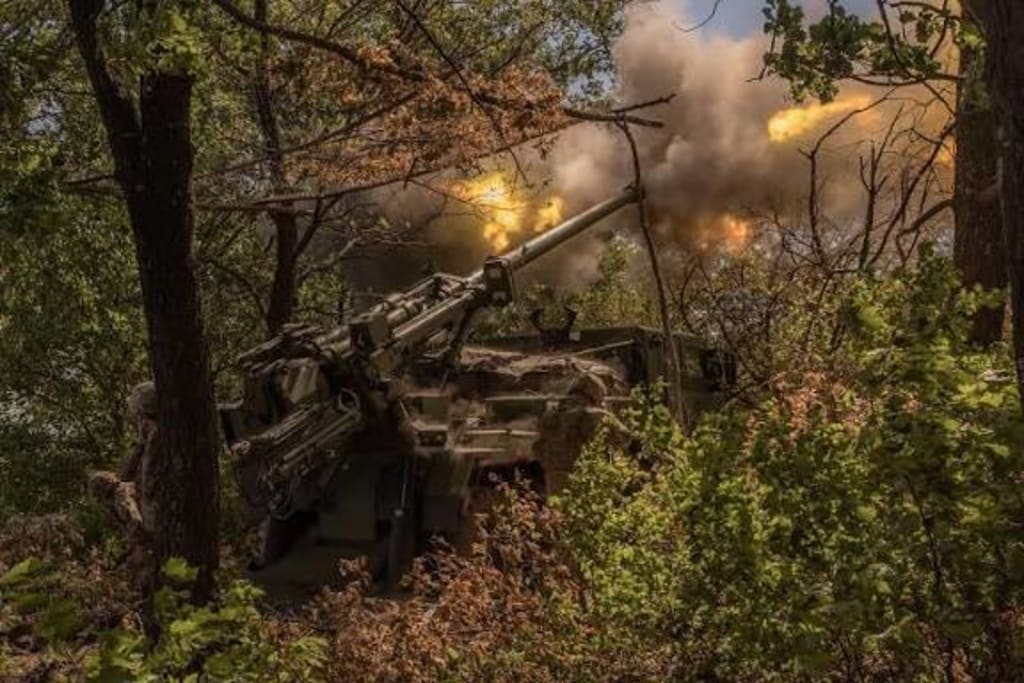
The European Union has taken a significant new step in how it supports Ukraine’s war effort—by formally including a “buy‑European preference” clause in its latest assistance package. Under the proposed €90 billion support plan for 2026–27, Ukraine is being asked to prioritise purchases of military equipment and supplies from European manufacturers or those in associated countries when possible, rather than sourcing them from global suppliers. �
Defense News
This condition, pushed by a number of EU member states and endorsed by European Commission President Ursula von der Leyen, aims not only to bolster Ukraine’s defence capabilities but also to strengthen Europe’s own defence industrial base, while creating jobs, encouraging research and sparking industrial growth across the bloc. �
Defense News
A New Clause with Strategic Purpose
The “buy‑European” element is one of the most striking elements of the latest EU loan proposal for Ukraine and reflects shifting priorities in Brussels. Of the €90 billion, approximately €60 billion is set aside for military assistance and €30 billion for general budget support. Under the preference clause, when Ukraine uses military aid for procurement, it should first seek equipment produced within EU member states, European Free Trade Association (EFTA) countries like Norway and Iceland, or locally within Ukraine itself. �
Defense News
Von der Leyen has framed this approach not just as a way to help Ukraine defend itself, but as strategic investment in Europe’s own industrial and technological future. “These are billions being invested, and these investments should have a return in creating jobs and research and development,” she said, emphasising that European industry should be at the forefront of spending. �
Defense News
Economic and Political Dimensions
The EU’s decision comes at a time of renewed debate about Europe’s role in global security and defence. For years, the bloc has sought greater strategic autonomy—reducing reliance on defence imports from outside Europe, such as major weapons systems from the United States. By prioritising European suppliers in Ukraine’s equipment purchases, the EU hopes to keep defence spending within its economic ecosystem, supporting domestic production lines and technological innovation. �
Defense News
This move also highlights tensions within the bloc. Not all member states support strict procurement conditions. Germany has expressed reservations, arguing that limiting Ukraine’s options could slow down deliveries and hamper Kyiv’s ability to respond to urgent battlefield needs. The Netherlands has also advocated for flexibility, noting that rigid requirements might leave gaps in Ukraine’s supply requirements. �
Defense News
France, however, has been particularly vocal in backing the buy‑European clause, seeing it as essential to protecting and energising the EU’s defence industrial base at a time when global suppliers—especially U.S. firms—dominate the market. The debate reflects broader strategic and economic priorities, with defence industry health becoming a key consideration in foreign policy decisions. �
Defense News
The Cascade Principle
In recognition of these concerns, the EU’s approach is not a hard ban on non‑European equipment. The proposal includes what officials describe as a “cascade principle”: Europe first, and if specific capabilities are not available within the bloc or associated partners, then Ukraine may procure supplies from other international sources. This ensures Ukraine retains access to the full range of equipment it needs while still steering the majority of spending toward European firms. �
Defense News
Broader Implications for EU‑Ukraine Support
The preference clause is part of a broader EU strategy to sustain Ukraine through an extended period of conflict while reinforcing the continent’s industrial and defence capabilities. Alongside long‑term economic and budget support, the EU continues funding other initiatives, including infrastructure reconstruction, energy security, and joint procurement efforts under mechanisms such as the European Peace Facility. �
consilium.europa.eu
One of the goals behind this strategy is to ensure Ukraine remains in a position of strength when it comes to potential negotiations around ending the war. According to von der Leyen, a robust defence effort, supported by reliable supply chains and strengthened by European industry, can improve Kyiv’s position both on the battlefield and at the negotiating table. �
Defense News
Challenges and Future Outlook
The buy‑European preference clause may face hurdles as it moves through the European Parliament and the Council, where member states will debate its final shape and conditions. Negotiators must strike a balance between strengthening European industries and giving Ukraine the flexibility it needs in an unpredictable war environment.
If implemented, this policy could mark a new era in EU–Ukraine cooperation—one where economic and strategic priorities are deeply intertwined. It underscores a shift toward reinforcing European industrial base resilience while simultaneously supporting a frontline partner in a major geopolitical conflict. This dual objective reflects both internal EU ambitions and the complex realities of long‑term support in a protracted war. �
About the Creator
Fiaz Ahmed Brohi
I am a passionate writer with a love for exploring and creating content on trending topics. Always curious, always sharing stories that engage and inspire.
Keep reading
More stories from Fiaz Ahmed Brohi and writers in The Swamp and other communities.
European Airlines Continue to Avoid Iran and Iraq Despite Airspace Reopening
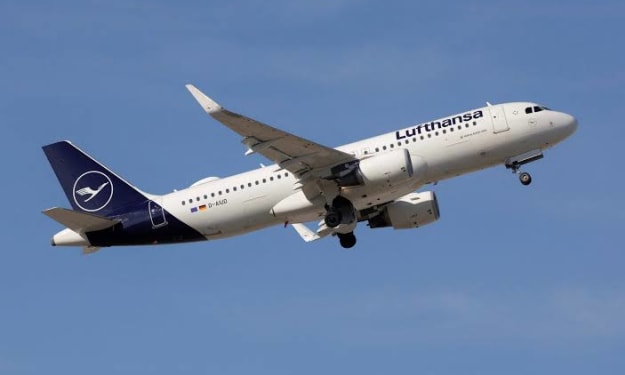
Despite the formal reopening of Iranian and Iraqi airspace after a brief closure triggered by heightened geopolitical tensions, many European and international airlines are choosing to keep their aircraft far from the skies above these countries. Instead of flying over Iran and Iraq — historic air routes connecting Europe with Asia — carriers are opting for longer paths over Afghanistan and Central Asia to protect passengers and crews. �
By Fiaz Ahmed Brohia day ago in The Swamp


Comments
There are no comments for this story
Be the first to respond and start the conversation.