
Epstein Survivors Call for Full Release of Files
Why Survivors Say Transparency Is Essential for Justice, Accountability, and Healing
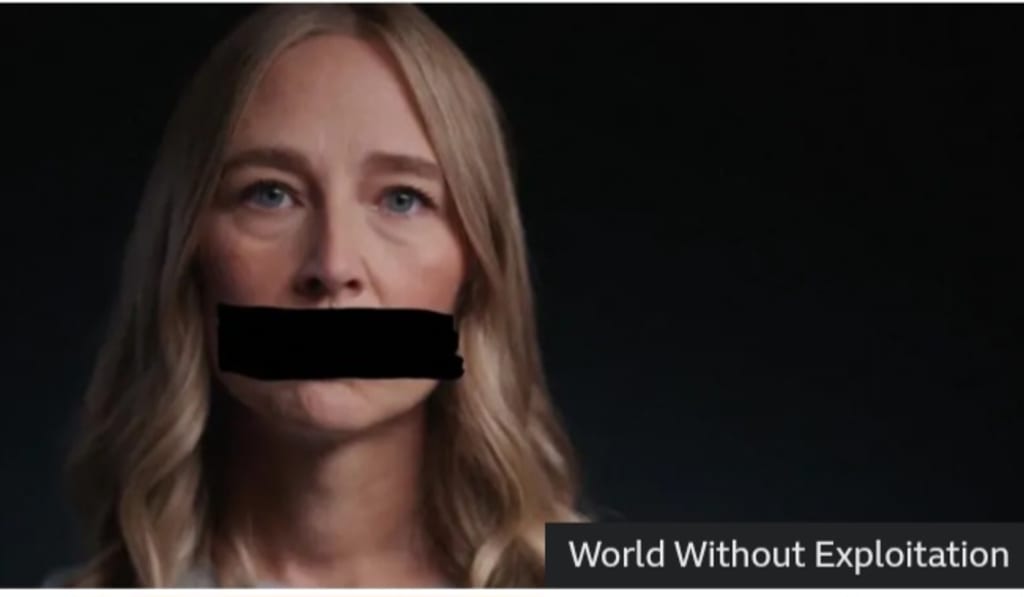
Survivors of abuse linked to Jeffrey Epstein are once again raising their voices, calling for the full and unredacted release of all remaining files connected to the case. Their renewed demand follows the circulation of a video that has reignited public attention and reopened painful questions about accountability, power, and the protection of victims. For survivors, this is not about curiosity or sensationalism—it is about truth, justice, and the right to be heard.
Years after Epstein’s death, the shadow of his crimes continues to loom large. Despite court documents, settlements, and partial disclosures, many survivors believe that crucial information remains hidden. They argue that incomplete transparency has allowed powerful individuals to evade scrutiny while survivors are left to carry unanswered questions and unresolved trauma.
A Case That Refuses to Fade
Jeffrey Epstein’s crimes exposed a vast network of abuse involving minors, facilitated by wealth, influence, and silence. While Epstein himself can no longer face justice, survivors maintain that the story did not end with him. They insist that others who enabled, participated in, or ignored the abuse must be held accountable.
The resurfacing of video content related to the case has intensified public interest. For survivors, this renewed attention is both painful and necessary. It brings back memories many would rather forget, yet it also offers a rare opportunity to push for long-denied transparency.
Survivors say that partial disclosures and heavily redacted files only deepen mistrust in institutions meant to protect the vulnerable. They believe the continued secrecy sends a damaging message—that powerful people are shielded, while victims are expected to move on without closure.
Why Full Disclosure Matters
At the heart of survivors’ demands is a simple principle: truth matters. Full disclosure of Epstein-related files, they argue, would help clarify who knew what, when they knew it, and how abuse was allowed to continue for so long. Transparency is seen not as revenge, but as a foundation for accountability.
Many survivors emphasize that releasing the files is not about naming individuals without evidence. Rather, it is about allowing the public and the justice system to see the full picture, free from selective edits or protective omissions. Only then, they say, can meaningful accountability begin.
Without full transparency, survivors fear that history will repeat itself. Systems that failed once may fail again if uncomfortable truths remain buried.
The Emotional Cost of Silence
For survivors, the lack of full disclosure is not just a legal issue—it is deeply personal. Many have spent years rebuilding their lives after enduring exploitation, manipulation, and abuse. The knowledge that key details remain hidden can feel like a continuation of that harm.
Survivors describe the withholding of information as another form of control, echoing the power dynamics that allowed abuse to flourish in the first place. Being denied access to the full truth, they say, reinforces the idea that their pain is secondary to reputations, institutions, or political convenience.
Healing, according to many advocates, requires acknowledgment. When stories are fragmented or censored, survivors are left feeling erased, as if their experiences are too inconvenient to confront in full.
Public Interest vs. Privacy Concerns
Opponents of full disclosure often raise concerns about privacy, due process, and the risk of misinformation. Survivors and their supporters acknowledge these concerns but argue they should not be used as a blanket excuse for secrecy.
They point out that transparency and fairness are not mutually exclusive. Files can be released responsibly, with safeguards in place to protect innocent individuals and sensitive personal data. What survivors object to is the indefinite withholding of information under vague justifications.
In their view, excessive secrecy has already caused significant harm—eroding trust in legal institutions and fueling speculation that could have been avoided through openness.
A Broader Reckoning with Power
The Epstein case has become symbolic of a larger issue: how wealth and influence can distort justice. Survivors argue that the continued reluctance to release all files reflects a broader failure to confront uncomfortable truths about elite power structures.
Their call for transparency resonates beyond this single case. It aligns with global movements demanding accountability for sexual abuse, institutional complicity, and the silencing of victims. Survivors see their fight as part of a wider struggle to ensure that no one is above the law.
By demanding full disclosure, they are challenging systems that prioritize image management over moral responsibility.
The Role of Media and Public Pressure
Media coverage and public engagement have played a crucial role in keeping the Epstein case in the spotlight. Survivors acknowledge that without sustained attention, their calls for justice could easily fade into obscurity.
However, they also urge responsible reporting—coverage that centers victims rather than sensational details. For survivors, the goal is not shock value but systemic change. They want the public to understand why transparency matters and how secrecy perpetuates harm.
Public pressure, they believe, remains one of the most powerful tools for forcing institutions to act.
Looking Ahead
Survivors’ calls for the full release of Epstein-related files represent a demand not just for information, but for respect, dignity, and accountability. They are asking society to confront uncomfortable truths and to recognize that justice delayed—or denied—has lasting consequences.
While legal and political hurdles remain, survivors continue to speak out, refusing to let the story be closed on anyone else’s terms. Their message is clear: healing requires honesty, and justice requires transparency.
Conclusion
The renewed call by Epstein survivors for the full release of files underscores a painful but necessary truth—without transparency, accountability remains incomplete. As videos and new discussions bring the case back into public view, survivors are reminding the world that this is not history, but an ongoing struggle for justice.
Their voices challenge institutions, media, and society at large to choose truth over comfort and accountability over silence. Whether that call will finally be answered remains to be seen—but survivors are no longer willing to be ignored.
About the Creator
Keep reading
More stories from Ayesha Lashari and writers in The Swamp and other communities.
Disney World Confirms Imminent Closure of Orlando Theme Park — What Fans Need to Know
Disney World in Orlando, Florida, one of the world’s most popular tourist destinations, is making headlines as several major attractions and park areas prepare for imminent closure. While some fans initially feared a full resort shutdown, Disney has clarified that the closures are part of planned updates, refurbishments, and expansions rather than a total park closure.
By Ayesha Lashariabout 5 hours ago in The Swamp
Why Black History Matters in America?
The United States of America is celebrating their 250th anniversary in 2026. I'm proud to be an American and as someone who was born here, I wouldn't imagine myself living anywhere else. This is a country where opportunities are possible. Where anyone can be successful in anything they desire to do. Equality, community, and togetherness are the backbones of what America is and should be about. However, we have an administration who wants to erase and disregard those who have made positive, meaningful impacts in our country, specifically Black figures, such as Martin Luther King, Jr., Rosa Parks, and Maya Angelou. President Trump and his administration have been constantly complaining and fighting against what they call the "Woke agenda". They use this excuse as a distraction from other issues they refuse to address, such as the high cost of living, climate change, and inflation. That equality is dividing America, when in reality, it's bringing us together. Being woke is not tied to a specific political party. No matter where you stand on the political spectrum, you can still care about other people and their plights. Compassion and empathy for others isn't tied to a political party, either. We were taught as children to treat others the way we want to be treated and not judge others because they're different from us. Caring about others isn't a personal attack on your beliefs. It doesn't make you any less of a person. People who are easily offended over African American figures, past or present, or anything related to it, are grasping at straws. Current and future generations need to know who people like Harriet Tubman and Shirley Chisholm were, especially in the classroom. Black History is part of American History. It should be recognized, not hidden or forgotten. Besides, you can't shield children from everything, just because your feelings are easily hurt.
By Mark Wesley Pritchard 8 days ago in The Swamp



Comments
There are no comments for this story
Be the first to respond and start the conversation.