
Many Fiery Remarks, Little Clarity on What’s Next at Security Council Meeting on Iran
Heated speeches, sharp accusations, and no concrete plan—what the world learned (and didn’t) from the latest U.N. meeting on Iran’s crisis.

When the United Nations Security Council met on January 15, 2026, to discuss the escalating crisis in Iran, it was anything but calm. The chamber was filled with passionate speeches, heated accusations, and urgent warnings, yet by the end of the session, one thing was clear: there was very little clarity on what comes next.
A Nation in Turmoil
Iran has been in the throes of widespread protests since late December. What started as demonstrations against economic hardships and currency instability quickly spiraled into calls for political change. Reports suggest tens of thousands have been arrested, with several thousand fatalities, painting a grim picture of a country in crisis.
The U.S. requested this emergency meeting, emphasizing the urgent need for international attention. But as the discussions unfolded, it became apparent that rhetoric often overshadowed concrete solutions.
U.S. Takes the Stage with a Strong Warning
The U.S. Ambassador, Mike Waltz, delivered a forceful message. He reaffirmed support for the protesters and signaled that “all options are on the table” if the Iranian government continued its crackdown. While the statement was bold, it left many diplomats asking: what exactly does that mean?
No new resolutions were proposed, and no specific measures were outlined. Essentially, the U.S. showed determination but stopped short of detailing a tangible plan. For observers, it felt more like political positioning than policy action.
Iran Fires Back
Iran’s Deputy Ambassador Gholamhossein Darzi didn’t hold back. He strongly denied allegations of killing protesters and accused the U.S. and its allies of interfering in Iran’s domestic affairs. Darzi framed Iran’s security measures as lawful and warned that any external aggression would be met with decisive countermeasures under international law.
He also criticized prominent Iranian dissidents who had spoken at the meeting, calling them instruments of foreign agendas rather than authentic voices of civil society. The tone was defiant and unyielding, underscoring Iran’s determination to resist international pressure.
A Deeply Divided Council
The session highlighted stark divisions among global powers. Western nations condemned Tehran’s actions and demanded accountability. In contrast, Russia and China criticized U.S. rhetoric, labeling it reckless and potentially provocative.
Russia warned that the U.S. statements risked encouraging violent overthrow, while China cautioned that any military intervention could plunge the region into chaos. Meanwhile, U.N. officials tried to focus on humanitarian concerns, urging respect for protesters’ rights to free expression and peaceful assembly.
What Happens Next?
Here’s the frustrating part: nothing concrete came out of the meeting. No new resolutions, no clear action plans, just fiery speeches and warnings. While the Security Council session succeeded in shining a spotlight on Iran’s crisis, it left the international community with more questions than answers.
For advocates of human rights, the meeting was important symbolically but insufficient practically. As protests continue and tensions rise, the world is left wondering whether global powers can move beyond rhetoric to take meaningful action.
The Takeaway
The January 15 Security Council meeting on Iran was dramatic, tense, and full of powerful speeches—but ultimately, it was more about posturing than problem-solving. The U.N. remains a platform for voices of concern, but the lack of concrete outcomes reflects a sobering reality: in moments of deep geopolitical division, even the world’s most powerful forum can struggle to act decisively.
The protests continue in Iran, the rhetoric continues in New York, and for now, the international community watches and waits.
This format works well for blogs because it:
Uses subheadings for easier reading.
Keeps a conversational tone.
Balances analysis and storytelling.
Ends with a takeaway to engage readers.
About the Creator
Keep reading
More stories from Aqib Hussain and writers in The Swamp and other communities.
Trump Signals Tariffs on Nations That Oppose Greenland Goal
Former U.S. President Donald Trump has once again placed himself at the center of a global controversy — this time by signaling that tariffs could be imposed on countries opposing his ambition to bring Greenland under U.S. influence. The statement has ignited debate not only about international trade but also about sovereignty, alliances, and the future of Arctic geopolitics.
By Aqib Hussain2 days ago in The Swamp
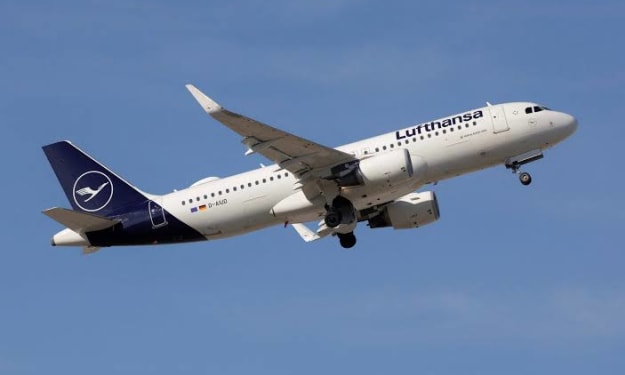
European Airlines Continue to Avoid Iran and Iraq Despite Airspace Reopening
Despite the formal reopening of Iranian and Iraqi airspace after a brief closure triggered by heightened geopolitical tensions, many European and international airlines are choosing to keep their aircraft far from the skies above these countries. Instead of flying over Iran and Iraq — historic air routes connecting Europe with Asia — carriers are opting for longer paths over Afghanistan and Central Asia to protect passengers and crews. �
By Fiaz Ahmed Brohi3 days ago in The Swamp



Comments
There are no comments for this story
Be the first to respond and start the conversation.