
Donald Trump’s Latest Visa Ban Hits African Countries Hard
New restrictions spark concerns over travel, business, and international relations

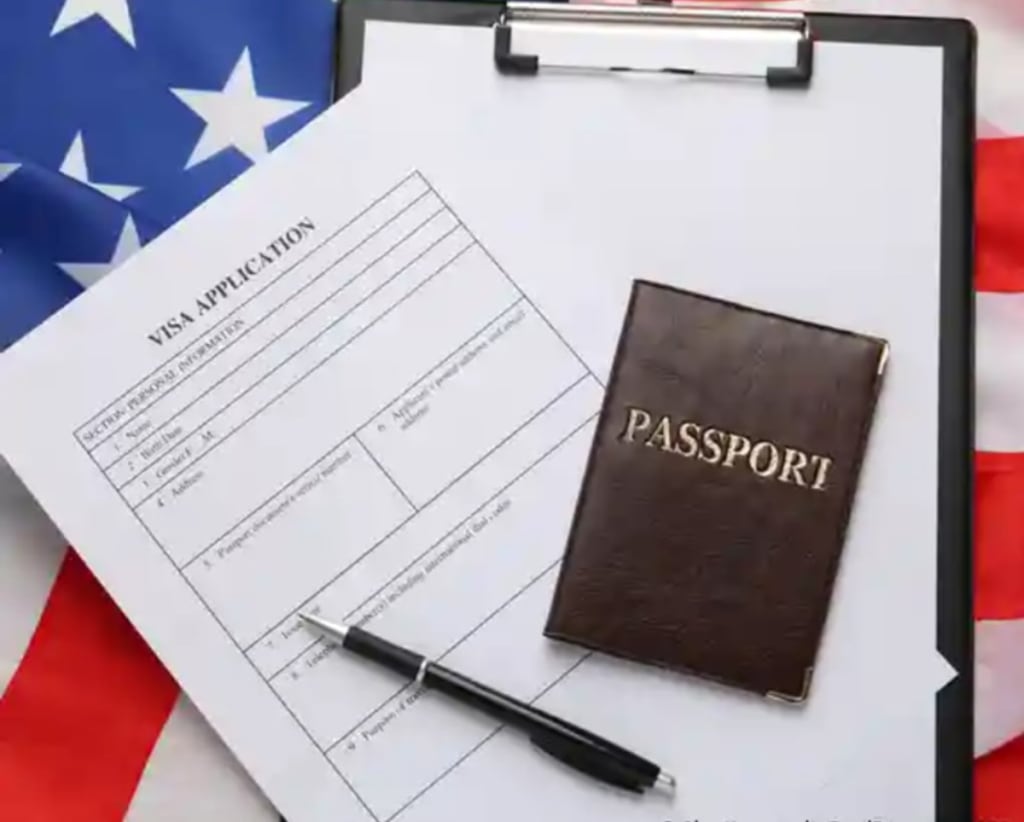
Donald Trump’s latest visa ban has once again drawn global attention, this time affecting several African countries, and sparking criticism from human rights groups, government officials, and business leaders. The move, which limits the ability of citizens from affected nations to obtain U.S. visas, is being described as a major blow to international travel, trade, and diplomatic relations.
Analysts suggest the ban could have far-reaching effects on education, tourism, business partnerships, and family connections, with millions potentially impacted by stricter entry requirements.
What the Visa Ban Entails
The recent executive order targets specific African countries, imposing stricter visa vetting and restrictions. While the U.S. government claims the measures are intended to protect national security and streamline immigration procedures, critics argue that the policy disproportionately affects law-abiding citizens and entrepreneurs from these nations.
According to U.S. immigration authorities, the ban includes:
Increased background checks for visa applicants
Longer processing times, often delaying travel for months
Denial of visas for certain categories, including work, study, and tourism
These measures have led to confusion and uncertainty for travelers and businesses with cross-border operations.
Impact on African Countries
African governments have expressed concern over the latest restrictions, noting that the policy could affect diplomatic relations, economic growth, and cultural exchange. Key sectors expected to feel the impact include:
Education: Students seeking to study in U.S. universities may face delays and denials, affecting scholarship programs and research collaborations.
Business and Trade: Entrepreneurs and investors traveling for partnerships or trade conferences may find access restricted, potentially slowing investment and trade flows.
Tourism: Travel bans could deter tourists, affecting revenue streams for hotels, airlines, and local tourism boards.
Family Reunification: Families with members in the U.S. may face extended separations due to visa processing delays or denials.
Critics argue that the policy could undermine trust between the U.S. and African nations, and could be perceived as discriminatory, even if framed as a security measure.
Reactions from Human Rights and Advocacy Groups
Human rights organizations have condemned the ban, calling it harmful and counterproductive. Many highlight that the affected countries are major contributors to U.S.-Africa diplomacy, aid programs, and trade partnerships.
Statements from advocacy groups emphasize:
The importance of fair and equal treatment for all visa applicants
The potential negative impact on education, business, and family unity
The need for transparent criteria in implementing travel restrictions
Several African advocacy organizations have also encouraged their governments to negotiate directly with U.S. authorities to ensure that legitimate travelers are not unfairly penalized.
Political Implications
The visa ban has sparked debate among politicians and international observers. Some argue that it aligns with a broader “America First” policy aimed at national security and immigration control. Others counter that such measures could harm U.S. influence abroad, particularly in Africa, where strong diplomatic and trade relations are essential.
Analysts predict that:
U.S.-Africa trade negotiations could face additional hurdles
Diplomatic discussions may become strained if perceived as unfair targeting
African nations might diversify international partnerships to mitigate dependency on the U.S.
Impact on Business and Economy
Businesses with operations spanning the U.S. and affected African countries are already feeling the pressure. The ban may affect:
Startups and tech entrepreneurs seeking visas for training or conferences
Multinational companies coordinating project management across continents
Investments in education, healthcare, and renewable energy sectors
For companies reliant on cross-border talent mobility, the visa ban introduces uncertainty, potentially causing delays, lost opportunities, and increased operational costs.
Voices from Affected Communities
Many African students, business owners, and families have shared their frustrations online, emphasizing the human side of the policy. Social media posts highlight personal stories of:
Students forced to defer admission to U.S. universities
Families unable to reunite due to visa delays
Entrepreneurs missing critical business meetings and investment opportunities
These narratives illustrate that beyond political debates, the visa ban has real-world consequences for everyday people.
Looking Ahead
Experts suggest that the effects of the visa ban will continue to unfold over the coming months. Key considerations include:
Monitoring U.S. policy changes: Future administrations could amend, tighten, or remove restrictions
Legal challenges: Affected individuals and organizations may seek judicial review
International diplomacy: African governments may negotiate bilateral agreements to mitigate the impact
Meanwhile, travel agencies, universities, and businesses are advising affected parties to plan ahead, explore alternative visa routes, and stay updated with U.S. immigration communications.
Conclusion
Donald Trump’s latest visa ban underscores the complex intersection of national security, immigration policy, and international relations. While the U.S. government frames the measure as a protective strategy, critics highlight its wide-ranging impact on African nations, from education and business to family connections.
As affected countries navigate the fallout, the situation emphasizes the importance of transparency, fairness, and international cooperation in immigration policy. The coming months will reveal how governments, communities, and businesses adapt to these restrictions and whether diplomatic efforts can ease the burden on those most affected.
About the Creator
Muhammad Hassan
Muhammad Hassan | Content writer with 2 years of experience crafting engaging articles on world news, current affairs, and trending topics. I simplify complex stories to keep readers informed and connected.
Keep reading
More stories from Muhammad Hassan and writers in The Swamp and other communities.
High Risk of Travel Disruption Amid Amber Rain Warning
Travelers across [region/country] are being urged to exercise caution as an amber rain warning has been issued, signaling the potential for severe travel disruptions in the coming days. Meteorologists have warned that heavy rainfall, strong winds, and localized flooding could affect road, rail, and air transport, making planning ahead essential for commuters, holidaymakers, and logistics providers. The warning comes as authorities emphasize safety first, with emergency services preparing for rapid response to incidents caused by adverse weather conditions. What the Amber Warning Means An amber rain warning is a serious weather alert, indicating that conditions could: Cause danger to life or property Lead to flooding of homes and roads Disrupt public transport services Make driving hazardous due to waterlogging and reduced visibility Weather experts explain that amber warnings are issued when there is a likelihood of significant impact on daily activities, not just heavy rainfall. Citizens are advised to monitor updates from official weather services and take appropriate precautions. Expected Travel Disruptions Road Transport Authorities warn that roads are likely to be flooded, particularly low-lying areas, underpasses, and routes prone to water accumulation. Commuters are advised to: Avoid unnecessary travel Drive slowly and maintain a safe distance from other vehicles Follow local road closure announcements Highways and main roads may experience slow-moving traffic and congestion, as drivers navigate wet and hazardous conditions. Rail Services Rail operators have also issued statements highlighting potential delays and cancellations due to waterlogging on tracks. Passengers planning to use trains are encouraged to: Check the status of their service before departure Allow extra travel time for connections Consider flexible travel plans where possible Air Travel Airports may experience flight delays or cancellations due to low visibility and wet runways. Travelers are advised to: Confirm flight schedules with airlines Prepare for longer check-in and boarding times Stay updated on any last-minute changes Public Transport Bus and tram services could be affected by road closures and traffic disruptions, impacting schedules and leading to overcrowding during peak hours. Safety Precautions Officials stress that the amber warning is not to be taken lightly, and residents should take steps to stay safe during severe weather: Stay informed: Regularly check updates from the Met Office, local authorities, and transport providers. Avoid flooded areas: Do not attempt to drive through standing water; just a few inches can sweep vehicles away. Prepare your home: Ensure drains and gutters are clear to reduce the risk of flooding. Emergency kit: Keep essentials such as water, food, flashlights, and important documents ready in case of prolonged disruption. Impact on Businesses and Logistics Heavy rainfall and travel disruptions could also affect businesses, particularly in sectors dependent on transport, deliveries, or customer visits. Retail, logistics, and service industries may face delays in: Deliveries of goods and supplies Staff commuting to work Customer appointments and in-person services Companies are being advised to consider remote work options, adjust delivery schedules, and communicate proactively with customers about potential delays. Government and Emergency Services Response Authorities have confirmed that emergency response teams are on standby to deal with incidents arising from severe rainfall. Local councils are monitoring rivers, drainage systems, and flood-prone areas, while police and transport authorities are coordinating to: Respond to traffic accidents Close dangerous roads Assist stranded travelers Provide information through official channels The public is urged to follow official advice and avoid taking unnecessary risks during the amber warning period. Historical Context Amber weather warnings have previously caused significant travel disruption in the region. Last year, [example city/region] experienced heavy rainfall that led to: Flooded roads and bridges Train delays and station closures Flight cancellations Evacuation of affected households These historical incidents underscore the importance of taking the amber warning seriously and preparing ahead to minimize personal and community impact. Tips for Travelers To reduce the impact of travel disruption, experts recommend: Plan ahead: Avoid traveling during peak rainfall hours if possible. Check routes: Use apps or official websites to check road and public transport conditions. Travel light: Carry only essentials to remain flexible in case of delays. Stay connected: Keep mobile phones charged and have access to emergency contacts. Flexible bookings: Where possible, choose travel options with flexible cancellation or rescheduling policies. By taking these precautions, travelers can minimize stress and ensure safety during periods of heavy rainfall and disrupted services. Looking Ahead Meteorologists indicate that while the heaviest rain may be short-lived, the amber warning could impact travel for several days, depending on how quickly water levels recede. Authorities will continue to monitor weather conditions closely and update the public through alerts and social media channels. Residents and travelers are encouraged to remain vigilant, stay informed, and plan their journeys with care. Conclusion The amber rain warning is a reminder of the power of severe weather and its potential to disrupt daily life, particularly travel. Roads, railways, and air transport may all face delays, making preparation essential for safety. By staying informed, planning ahead, and following official advice, travelers can navigate these challenges safely. This period of severe weather is not just a test of transport infrastructure, but also a reminder of the importance of community awareness, safety precautions, and flexibility during natural events.
By Muhammad Hassanabout 10 hours ago in The Swamp
Trump Tests the Boundaries of His Power as Minnesota Pushes Back
The clash between federal authority and state autonomy has once again taken center stage in American politics, as former President Donald Trump’s latest assertions of power meet firm resistance from Minnesota’s leadership. The standoff highlights a deeper constitutional tension—one that goes beyond a single state or political personality and speaks to the evolving balance between Washington and the states in an era of intense polarization. At the heart of the dispute is Trump’s enduring political influence and his continued effort to shape national policy debates even outside the Oval Office. Through public statements, legal pressure, and mobilization of his political base, Trump has sought to assert a vision of executive power that stretches traditional norms. Minnesota, governed by leaders who emphasize states’ rights, civil liberties, and local control, has emerged as a prominent counterweight to that approach. Minnesota’s pushback is not merely symbolic. State officials have consistently defended their authority to interpret and implement policies in ways that reflect local values and legal frameworks. Whether the issue involves immigration enforcement, voting regulations, public health measures, or law enforcement cooperation, Minnesota’s stance underscores a broader resistance among Democratic-led states to what they view as federal overreach—or, in Trump’s case, an attempt to govern by pressure rather than constitutional process. Trump’s political style has long thrived on testing limits. During his presidency, he frequently challenged institutional guardrails, from the judiciary to Congress, arguing that decisive leadership required bold action. Supporters praised this approach as a rejection of bureaucratic inertia, while critics warned it eroded democratic norms. Even now, Trump’s rhetoric suggests a belief that executive power should be expansive, flexible, and closely tied to popular mandate rather than institutional restraint. Minnesota’s response reflects a contrasting philosophy. State leaders emphasize that the U.S. Constitution establishes a system of shared power, where states are not mere administrative units but sovereign entities with their own responsibilities and rights. By asserting legal challenges, issuing policy refusals, or reinforcing state laws, Minnesota is signaling that political popularity does not override constitutional boundaries. This confrontation resonates far beyond state lines. Other states are closely watching how Minnesota navigates the pressure, aware that precedents set today could shape future federal-state relations. If aggressive assertions of power go unchallenged, states fear a gradual weakening of their authority. Conversely, a strong and legally grounded resistance could reaffirm the importance of federalism in an increasingly centralized political environment. Public opinion remains sharply divided. Trump’s supporters argue that states like Minnesota obstruct policies aimed at national security, election integrity, or law and order. From their perspective, resistance is framed as defiance rather than defense of democratic principles. On the other hand, critics view Minnesota’s stance as a necessary safeguard against the concentration of power and the politicization of federal authority. Legal experts note that these conflicts often end up in court, where constitutional interpretation becomes the ultimate referee. The judiciary has historically played a crucial role in defining the limits of executive power, and future rulings may further clarify how far a president—or a former president with significant influence—can go in shaping state behavior. Minnesota’s willingness to challenge perceived overreach suggests confidence in the legal system as a counterbalance to political pressure. Beyond legal implications, the dispute also carries electoral significance. Minnesota’s resistance reinforces its identity as a state that values progressive governance and institutional checks. For Trump, confronting such states energizes his base and reinforces his image as a leader willing to confront opposition head-on. In this sense, the clash is as much about narrative as it is about policy. Ultimately, the struggle between Trump’s assertive political posture and Minnesota’s determined pushback reflects a defining question of modern American democracy: how power should be exercised, limited, and contested. As polarization deepens, these confrontations are likely to become more frequent, testing not only political alliances but the resilience of constitutional norms. Minnesota’s stand serves as a reminder that in the American system, power is not absolute. It is negotiated, challenged, and constrained through institutions designed to prevent dominance by any single figure or level of government. Whether this balance holds will shape the nation’s political trajectory long after the current disputes fade from the headlines.
By Fiaz Ahmed Brohi4 days ago in The Swamp
Physical AI: Robotics Are Poised to Revolutionize Business
The convergence of artificial intelligence (AI) and robotics is ushering in a new era of “Physical AI,” promising to transform the way businesses operate across industries. Unlike traditional software AI, Physical AI combines machine learning with autonomous machines capable of interacting with the physical world—robots that can perceive, learn, adapt, and execute tasks without human intervention.
By Aarif Lasharia day ago in The Swamp
How, Too
Many people wonder how, too. You are not alone, and I am an expert. I will teach you how, too! First, you need to remit a small application fee and fill out an application describing the nature of your financial situation and how often payments will be made, as this will have great bearing on how well I teach you how, too.
By Harper Lewis7 days ago in Fiction




Comments
There are no comments for this story
Be the first to respond and start the conversation.