
Donald Trump's Forward Lean: From Campaign Trail Quirk to White House Worry in 2025
“Trump’s trademark forward lean, once mocked as a campaign quirk, is now raising serious medical and political questions inside the White House in 2025.”

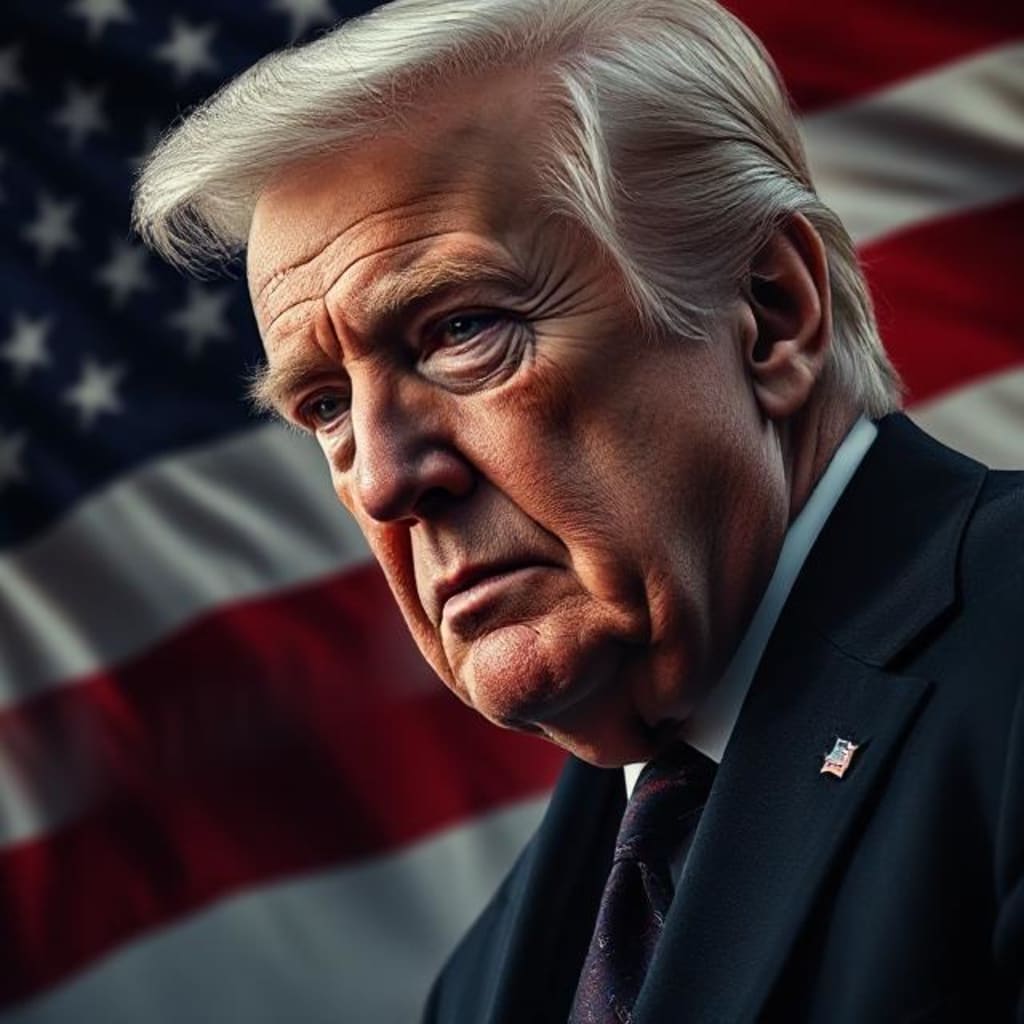
For nearly a decade, Donald Trump's forward-leaning posture has been a staple of his public image, but in 2025—as he navigates his second term as President—it's sparking renewed and urgent questions.
What was once dismissed as a quirky habit or a result of shoe lifts now appears more pronounced, coinciding with recent health disclosures from the White House.
Is this lean a harmless eccentricity, or a red flag for deeper neurological or physical decline? With bruises on his hands making headlines and over 200 medical experts previously warning about cognitive health, the speculation is louder than ever. Let's dive into the evolving mystery.
---
A Decade of the Lean
Observers have long pointed to Trump's distinctive stance: a forward tilt at the waist, as if pulled by an invisible force, evident during rallies, debates, and now Oval Office addresses.
Back in 2016, it was meme fodder—think late-night shows like Seth Meyers poking fun.
But fast-forward to 2025, and videos from recent events show the lean more exaggerated, paired with stiffer movements and occasional jerky tics.
Social media is ablaze with clips from his latest press conference, where he leaned so far forward that aides visibly steadied him.
---
Theories: From Shoe Lifts to Power Pose
Theories abound, starting with the innocuous.
Some attribute it to shoe lifts, which Trump has reportedly worn to boost his height by 2-3 inches. Body language analysts note that such lifts can throw off balance, forcing a compensatory lean to maintain stability—especially for someone of his build, with added weight from age and a high-stress lifestyle.
Others suggest it's psychological: a power pose signaling dominance and assertiveness, aligning with Trump's bold persona. As one expert put it, "A forward lean screams confidence in high-stakes environments like politics."
But these explanations falter under medical scrutiny, particularly in light of 2025 developments.
---
Health Disclosures and Controversy
In April, the White House released Trump's physical exam results, declaring him in "excellent health" after a cognitive assessment.
Yet, by July, Press Secretary Karoline Leavitt announced a diagnosis of chronic venous insufficiency, explaining mysterious bruises on his hands spotted since late 2024—attributed to aspirin use and vigorous handshakes.
Then, in August, large bruises reappeared, fueling wild rumors on platforms like X (formerly Twitter), where "Trump is Dead" trended after Vice President JD Vance's offhand comment about readiness to lead.
Trump's physician, Sean Barbabella, downplayed it, but the optics were damning.
---
Neurological Concerns
Neurologists aren't buying the dismissals.
Conditions like camptocormia—marked by an involuntary forward bend due to muscle weakness or spinal issues—remain a prime suspect. This is often linked to Parkinson's disease or other neurodegenerative disorders.
Trump's family history adds fuel: his father, Fred, battled Alzheimer's, and frontotemporal dementia (FTD) has a hereditary angle.
A 2020 analysis by George Washington University neurologist Richard E. Cytowic highlighted Trump's "forward-listing posture" and "body tics" as concerning signs warranting explanation, beyond a simple cognitive screening he "aced."
Recent medical literature reinforces this: poor posture correlates with cardiovascular risks, reduced flexibility, and even cognitive decline, exacerbated by age (Trump turned 79 this year).
---
The Political Implications in a Second Term
What's most striking in 2025 is the lean's persistence despite "excellent health" claims. Critics argue the April report—released three months post-inauguration—feels like damage control, especially after Kamala Harris's full disclosures in 2024.
On Reddit and Quora, users speculate it's lumbar lordosis (excessive inward spine curve) combined with obesity, making suits hang awkwardly and forcing the tilt to hide a "gut."
But experts like those from the American Neurological Association emphasize that ignoring such symptoms in a leader is risky—posture changes can signal imbalance, falls, or impaired judgment under pressure.
Trump's unwavering base continues to rally, branding health talk as "fake news" or "witch hunts."
From erratic speeches to visible aging, they've deflected before—but 2025's bruise scandal and Vance's comments have cracked the facade. Even allies whisper about succession, with JD Vance positioning himself subtly.
If the lean stems from neurological issues, it could impair decision-making on everything from foreign policy to domestic crises.
The public deserves unredacted health records, not vague assurances.
As one Quora user noted, "Poor posture isn't just cosmetic; it's a health indicator we can't afford to ignore in the Oval Office."
---
Final Thoughts
Trump's forward lean isn't vanishing—it's evolving into a symbol of unchecked power and hidden vulnerabilities.
Whether from lifts, dominance displays, or something sinister like dementia speculation, the silence from mainstream media is deafening.
In an era of transparency demands, Americans must push for answers. Pretending it's normal only invites disaster.
What do you think—is it a quirk or a crisis?
---
SEO Keywords
Donald Trump posture 2025, Trump leaning forward second term, Trump health concerns bruises, Trump neurological issues, Trump dementia speculation, Trump body posture analysis, Trump cognitive health report, Trump physical health White House, Trump medical analysis 2025, Trump forward lean camptocormia
---
About the Creator
Muhammad Riaz
- Writer. Thinker. Storyteller. I’m Muhammad Riaz, sharing honest stories that inspire, reflect, and connect. Writing about life, society, and ideas that matter. Let’s grow through words.
Keep reading
More stories from Muhammad Riaz and writers in The Swamp and other communities.
Donald Trump’s Mysterious Forward Lean: Harmless Habit or Health Crisis in the Making?
Donald Trump’s public appearances have always been scrutinized, from his handshakes to his mannerisms. But in recent months, a new detail has caught the attention of medical experts and political commentators alike: his increasingly noticeable forward-leaning posture.
By Muhammad Riaz5 months ago in The Swamp


Comments
There are no comments for this story
Be the first to respond and start the conversation.