
Crypto Glitch Sends $44 Billion in Bitcoin to Users by Mistake: A Wake-Up Call for the Digital Asset Industry
When a Crypto Glitch Turns Into a $44 Billion Mistake: What Really Happened and Why It Matters
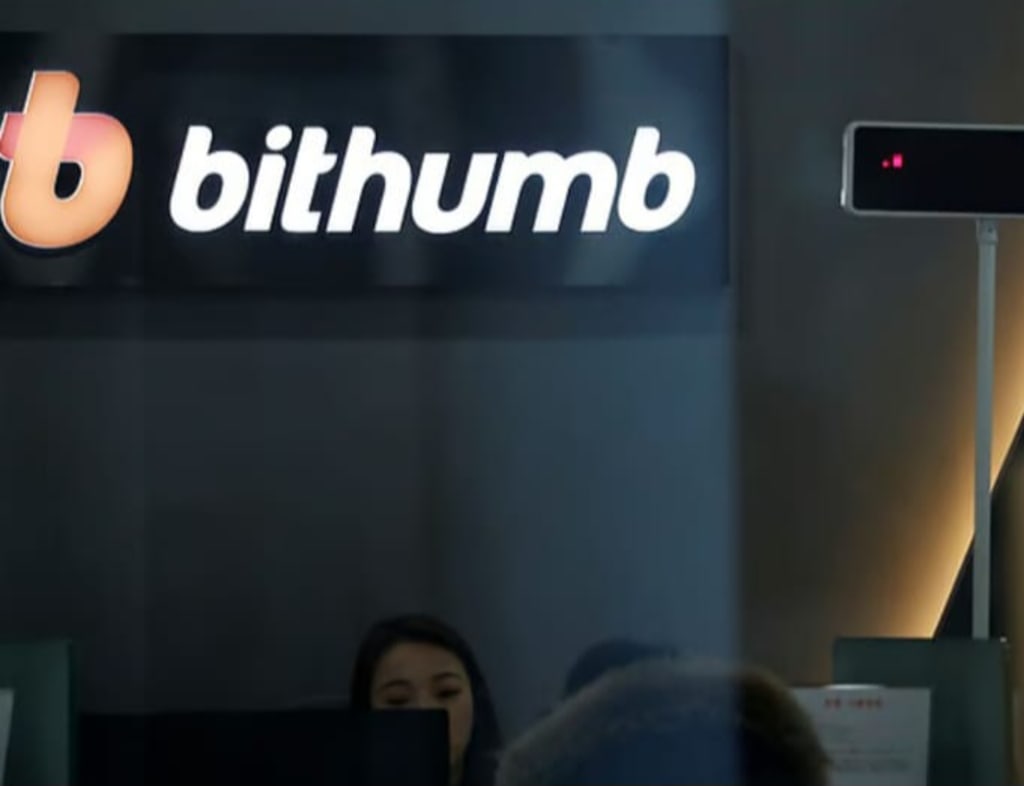
The cryptocurrency world is no stranger to volatility, hacks, and sudden market shocks. However, even seasoned investors were left stunned when a technical glitch reportedly resulted in $44 billion worth of Bitcoin being mistakenly credited to users’ accounts. What was supposed to be a routine promotional reward turned into one of the most jaw-dropping operational errors in crypto history.
This incident did not just create temporary chaos on a single platform — it raised serious questions about automation, internal controls, and the overall maturity of the crypto ecosystem. In this blog, we break down what happened, how the mistake unfolded, and why it matters for the future of digital assets.
What Exactly Happened?
The incident occurred at Bithumb, one of South Korea’s largest cryptocurrency exchanges. The platform was running a promotional campaign intended to reward users with a small cash-equivalent bonus. Instead of distributing a few dollars’ worth of rewards, a system malfunction caused massive amounts of Bitcoin to be credited to hundreds of user accounts.
In total, approximately 620,000 Bitcoins were mistakenly assigned, with a market value of nearly $44 billion at the time. To put that into perspective, the amount exceeded the daily trading volume of many global exchanges and rivaled the GDP of small countries.
Importantly, the exchange confirmed that this was not a cyberattack or hack. The error stemmed from an internal glitch within the automated reward distribution system.
How Long Did the Glitch Last?
Thankfully, the mistake was identified relatively quickly. Within about 35 minutes, Bithumb froze trading and withdrawals for affected accounts. This swift action prevented large-scale fund withdrawals and limited potential losses.
According to the exchange, more than 99% of the mistakenly credited Bitcoin was recovered, as most of it never left the platform. However, during the brief window of confusion, some users managed to sell or move small portions of the funds.
Even in that short time, Bitcoin prices on the exchange experienced sharp fluctuations, highlighting how sensitive crypto markets are to unexpected shocks.
Market Reaction and User Confusion
News of the glitch spread rapidly across social media and crypto forums. Screenshots of user balances showing millions — even billions — of dollars went viral, fueling disbelief and speculation.
Some users initially believed they had won a massive reward or discovered a once-in-a-lifetime opportunity. Others immediately questioned the legitimacy of the funds, fearing legal consequences if they attempted to withdraw or trade them.
The uncertainty caused temporary panic selling, leading to a sudden drop in Bitcoin’s price on the platform before it stabilized again.
Regulatory Alarm Bells Ring
South Korea has one of the most active and regulated crypto markets in the world, and authorities did not take the incident lightly. Financial regulators reportedly held emergency discussions to assess the risks exposed by the glitch.
Officials emphasized that while blockchain technology itself may be secure, operational failures at centralized exchanges remain a major vulnerability. Regulators signaled that inspections and tighter oversight of crypto platforms could follow, particularly regarding internal systems, automation, and risk management.
This event strengthened the argument that crypto exchanges should be held to standards closer to those of traditional financial institutions.
Why This Incident Is a Big Deal
This was not just a technical mishap — it was a warning.
First, it demonstrated how automation errors can move billions of dollars in seconds without human intervention. Second, it exposed how dependent users are on centralized platforms to act responsibly and transparently. Finally, it highlighted the thin line between innovation and instability in fast-moving digital markets.
While blockchain transactions are irreversible once confirmed on-chain, many exchanges rely on internal ledgers. A single error in those systems can create confusion, financial risk, and loss of trust.
Lessons for the Crypto Industry
The $44 billion glitch offers several important lessons:
Stronger internal controls are essential. Automated systems must be stress-tested and reviewed constantly.
Human oversight still matters. Code alone cannot replace accountability.
Transparency builds trust. Clear communication during crises can prevent panic.
Regulation is not the enemy. Smart oversight can help protect both users and platforms.
For users, the incident is a reminder not to assume that exchanges are infallible — and to understand the risks of keeping large assets on centralized platforms.
What Happens Next?
Bithumb has stated that it will cover any losses using corporate funds and review its systems to prevent similar incidents in the future. Meanwhile, regulators are expected to push for stricter operational requirements across the industry.
As crypto continues to move toward mainstream adoption, moments like this serve as critical stress tests. Whether the industry learns from them will shape its credibility in the years ahead.
Final Thoughts
A glitch that accidentally sent $44 billion in Bitcoin may sound unreal — but it happened. Beyond the shock value, the incident reveals deeper structural issues within the crypto ecosystem.
Innovation moves fast, but trust moves slowly. If crypto platforms want to earn long-term confidence, they must prove that their systems are not only advanced, but also reliable, accountable, and secure.
In the end, this historic mistake may become a turning point — pushing the industry toward greater responsibility and maturity.
About the Creator
Keep reading
More stories from Ayesha Lashari and writers in The Swamp and other communities.
Japanese Voters Brave Heavy Snow to Cast Ballots in Snap Election
Japanese citizens across several regions braved heavy snowfall and freezing temperatures to cast their votes in a snap general election, demonstrating a strong commitment to democratic participation despite challenging weather conditions. The unexpected election, called amid political and economic uncertainty, tested both voter determination and the country’s election preparedness during one of the harshest periods of winter.
By Ayesha Lashariabout 3 hours ago in The Swamp
Why Black History Matters in America?
The United States of America is celebrating their 250th anniversary in 2026. I'm proud to be an American and as someone who was born here, I wouldn't imagine myself living anywhere else. This is a country where opportunities are possible. Where anyone can be successful in anything they desire to do. Equality, community, and togetherness are the backbones of what America is and should be about. However, we have an administration who wants to erase and disregard those who have made positive, meaningful impacts in our country, specifically Black figures, such as Martin Luther King, Jr., Rosa Parks, and Maya Angelou. President Trump and his administration have been constantly complaining and fighting against what they call the "Woke agenda". They use this excuse as a distraction from other issues they refuse to address, such as the high cost of living, climate change, and inflation. That equality is dividing America, when in reality, it's bringing us together. Being woke is not tied to a specific political party. No matter where you stand on the political spectrum, you can still care about other people and their plights. Compassion and empathy for others isn't tied to a political party, either. We were taught as children to treat others the way we want to be treated and not judge others because they're different from us. Caring about others isn't a personal attack on your beliefs. It doesn't make you any less of a person. People who are easily offended over African American figures, past or present, or anything related to it, are grasping at straws. Current and future generations need to know who people like Harriet Tubman and Shirley Chisholm were, especially in the classroom. Black History is part of American History. It should be recognized, not hidden or forgotten. Besides, you can't shield children from everything, just because your feelings are easily hurt.
By Mark Wesley Pritchard 6 days ago in The Swamp




Comments
There are no comments for this story
Be the first to respond and start the conversation.