
Japanese Voters Brave Heavy Snow to Cast Ballots in Snap Election
Harsh winter conditions fail to dampen democratic participation as Japan faces a pivotal political moment
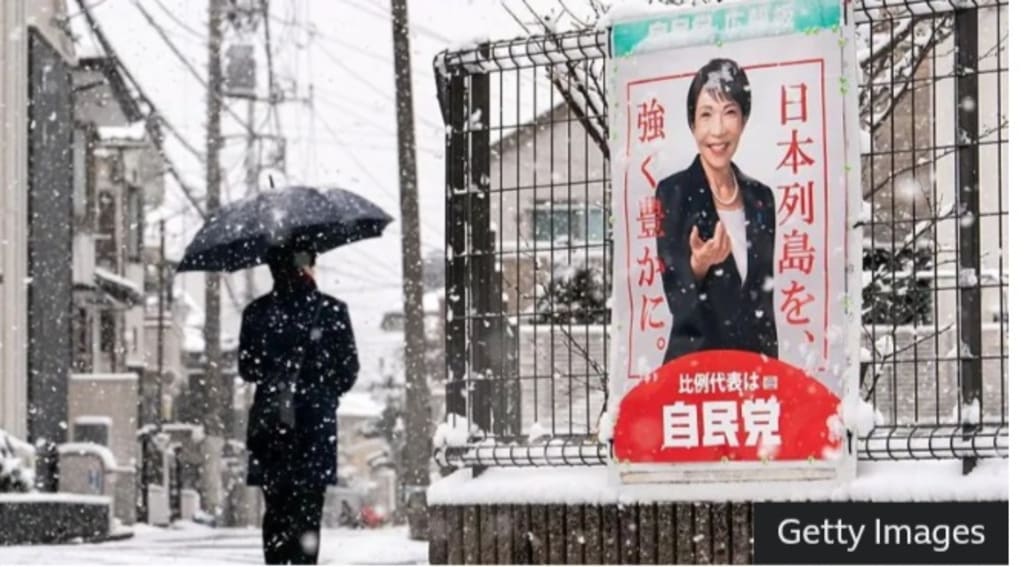
Japanese citizens across several regions braved heavy snowfall and freezing temperatures to cast their votes in a snap general election, demonstrating a strong commitment to democratic participation despite challenging weather conditions. The unexpected election, called amid political and economic uncertainty, tested both voter determination and the country’s election preparedness during one of the harshest periods of winter.
From northern prefectures to rural mountainous areas, images emerged of voters walking carefully along snow-covered streets, lining up outside polling stations wrapped in coats, scarves, and gloves. Election officials confirmed that voting proceeded as scheduled nationwide, with special arrangements made in snow-affected areas to ensure access and safety.
A Snap Election Amid Political Uncertainty
The snap election was announced by the government following growing political pressure, including declining approval ratings, internal party challenges, and ongoing debates over economic reforms and social welfare policies. By dissolving parliament earlier than expected, the leadership sought a renewed mandate from the public.
Political analysts say the timing of the election, coinciding with severe winter weather, added an unusual layer of complexity. While snap elections are not uncommon in Japan, holding one during peak winter conditions is relatively rare and posed logistical challenges for election authorities.
Snow-Covered Polling Stations Across the Country
In northern regions such as Hokkaido and parts of the Tohoku area, snowfall was particularly intense, with some communities reporting several centimeters of fresh snow overnight. Despite this, polling stations opened on time, staffed by election workers who arrived early to clear entrances and ensure voting materials were in place.
Local officials reported that in rural areas, volunteers and municipal workers helped elderly voters reach polling stations, sometimes using snow-clearing equipment or community transport services. These efforts were seen as crucial in maintaining voter turnout among Japan’s aging population.
Voter Determination on Display
Many voters interviewed by local media expressed a sense of civic duty that outweighed concerns about the weather. Some said the snap election’s implications for economic stability, rising living costs, and national security made participation especially important.
“I didn’t want the snow to decide for me,” one voter reportedly said, reflecting a common sentiment shared by others who made the journey despite slippery roads and cold temperatures.
Election officials noted that while turnout in some heavily affected areas was slightly lower during early hours, participation increased later in the day as conditions improved or voters adjusted their plans.
Key Issues Driving the Vote
The snap election centered on several pressing issues, including inflation, wage growth, tax reform, and Japan’s rapidly aging society. Foreign policy and regional security also played a significant role, particularly amid ongoing tensions in East Asia and discussions around defense spending.
The government’s handling of the economy was a dominant theme throughout the campaign. While officials highlighted efforts to stabilize growth and support households, opposition parties criticized rising prices and questioned the effectiveness of current policies.
Social issues, such as childcare support, labor reform, and gender equality, also featured prominently, especially among younger voters who see long-term structural challenges facing the country.
Weather and Democracy
Japan is no stranger to extreme weather, from typhoons to earthquakes, and has developed robust systems to ensure continuity during emergencies. The snowy election day underscored the resilience of these systems and the adaptability of both voters and officials.
Experts note that weather can influence voter turnout, particularly among elderly citizens and those living in remote areas. However, Japan’s emphasis on community organization and local governance often helps mitigate such effects.
In this election, authorities reported no major disruptions, a testament to planning and coordination at local and national levels.
Political Stakes and Possible Outcomes
The outcome of the snap election is expected to shape Japan’s political direction in the coming years. A strong showing for the ruling party would strengthen its position to push forward reforms, while significant gains by opposition parties could signal shifting public sentiment.
Observers are closely watching voter turnout figures to assess public engagement and trust in the political process. High participation, especially under difficult conditions, may be interpreted as a sign of heightened public interest and concern over national issues.
Public Reaction and Media Coverage
Media coverage of voters navigating snowy streets quickly became a defining image of the election. Commentators praised citizens for prioritizing civic responsibility, while social media users shared photos and messages highlighting the determination of voters across the country.
The scenes also sparked discussions about accessibility and whether additional voting options, such as expanded early voting or digital solutions, should be further developed to accommodate extreme conditions.
Conclusion
As ballots were cast and counting began, the image of Japanese voters braving snow and cold stood out as a powerful symbol of democratic commitment. Despite harsh weather and political uncertainty, citizens turned out to make their voices heard, reinforcing the strength of Japan’s electoral process.
The snap election, held under challenging conditions, will be remembered not only for its political implications but also for the resilience shown by voters across the country. As Japan awaits the final results, one message is already clear: even heavy snow was not enough to keep voters away from the polls.
About the Creator
Keep reading
More stories from Ayesha Lashari and writers in The Swamp and other communities.
China Condemns Islamabad Mosque Attack, Reaffirms Strong Support for Pakistan
China has strongly condemned the recent attack on a mosque in Islamabad, expressing solidarity with the people and government of Pakistan and reaffirming its unwavering support in the fight against terrorism. The condemnation reflects not only Beijing’s concern over rising security challenges in the region but also underscores the enduring strategic partnership between the two neighboring countries.
By Ayesha Lashariabout 6 hours ago in The Swamp
Why Black History Matters in America?
The United States of America is celebrating their 250th anniversary in 2026. I'm proud to be an American and as someone who was born here, I wouldn't imagine myself living anywhere else. This is a country where opportunities are possible. Where anyone can be successful in anything they desire to do. Equality, community, and togetherness are the backbones of what America is and should be about. However, we have an administration who wants to erase and disregard those who have made positive, meaningful impacts in our country, specifically Black figures, such as Martin Luther King, Jr., Rosa Parks, and Maya Angelou. President Trump and his administration have been constantly complaining and fighting against what they call the "Woke agenda". They use this excuse as a distraction from other issues they refuse to address, such as the high cost of living, climate change, and inflation. That equality is dividing America, when in reality, it's bringing us together. Being woke is not tied to a specific political party. No matter where you stand on the political spectrum, you can still care about other people and their plights. Compassion and empathy for others isn't tied to a political party, either. We were taught as children to treat others the way we want to be treated and not judge others because they're different from us. Caring about others isn't a personal attack on your beliefs. It doesn't make you any less of a person. People who are easily offended over African American figures, past or present, or anything related to it, are grasping at straws. Current and future generations need to know who people like Harriet Tubman and Shirley Chisholm were, especially in the classroom. Black History is part of American History. It should be recognized, not hidden or forgotten. Besides, you can't shield children from everything, just because your feelings are easily hurt.
By Mark Wesley Pritchard 6 days ago in The Swamp
The Devil's Triangle
The sails ruffled in the breeze as we cruised along. The Sea Breeze was a mid-size catamaran that sailed out of Royal Naval Dockyard in Bermuda. We had booked this trip weeks in advance and were now looking at our Captain, Spike and two boat hands. Paddy and Wilson seemed like nice guys, joking around with the passengers and telling us some stories about Bermuda that only locals would know. Their island accents sounded almost British but they were pleasant to listen to.
By Barbara Gode Wiles5 days ago in Fiction


Comments
There are no comments for this story
Be the first to respond and start the conversation.