
China and Hong Kong Stocks Slip as Non-Ferrous Metals Slide on Easing Geopolitical Tensions
Market Movements in China and Hong Kong Reflect Shifting Global Dynamics

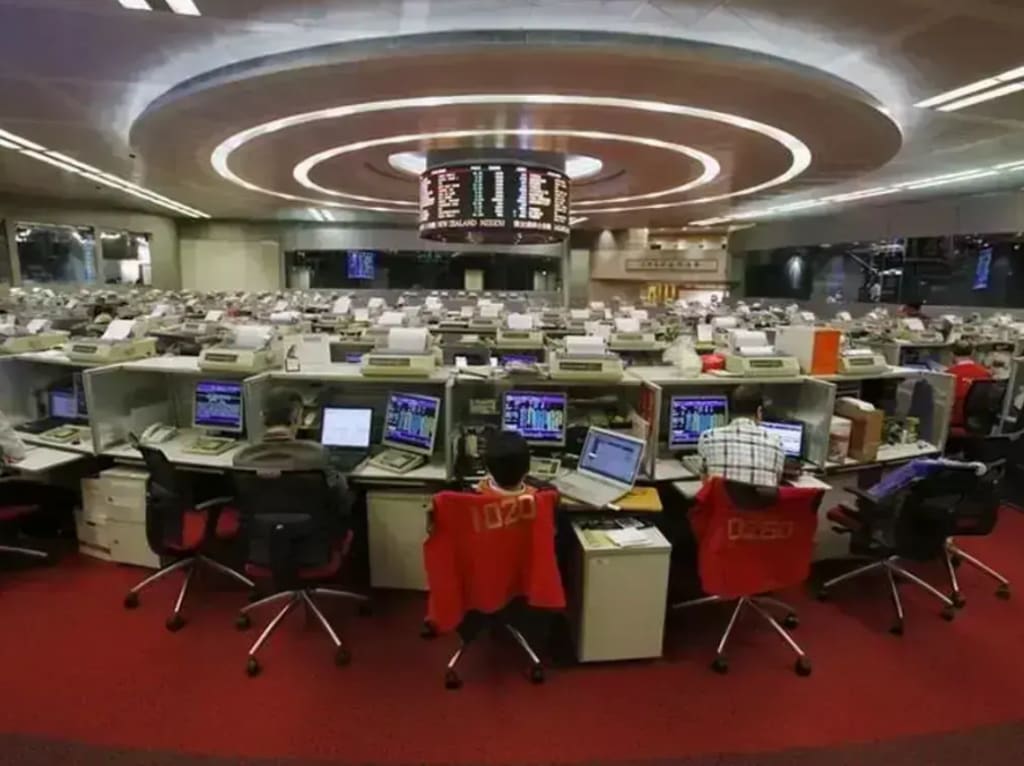
On a day marked by shifting geopolitical dynamics, China and Hong Kong stocks saw a slight decline as the non-ferrous metals sector took a hit. The downturn came amid a global easing of geopolitical tensions, which had previously driven volatility in commodity markets, particularly in the metals sector. While the easing of these tensions is seen as a positive development for the global economy, it has led to an unexpected slip in markets, as investors recalibrate their positions in response to changing global conditions.
Let’s dive deeper into how these shifts in the geopolitical landscape have impacted the Chinese and Hong Kong stock markets and the performance of non-ferrous metals, such as copper, aluminum, and zinc.
Geopolitical Tensions Easing: A Double-Edged Sword for Global Markets
For much of the past few years, geopolitical tensions—particularly between the United States and China, as well as concerns over global supply chains and trade restrictions—have weighed heavily on global financial markets. Tariffs, sanctions, and trade war rhetoric have all contributed to volatility in both stock markets and commodities.
However, recent signs of easing tensions between major global players have shifted market sentiment. Diplomatic breakthroughs, trade negotiations, and the reduction of military conflicts in certain regions have led investors to believe that the worst of these geopolitical risks may be behind us—at least for now. While this development is largely viewed as positive for long-term economic stability, it has had an immediate impact on commodity prices, particularly for non-ferrous metals.
Non-ferrous metals, which include widely used materials like copper, aluminum, and zinc, have been particularly sensitive to geopolitical events. These metals are crucial to industries ranging from electronics to construction, and their prices tend to rise when there are concerns about supply disruptions, such as those caused by geopolitical instability.
With the easing of these tensions, the fear of disruptions has decreased, and as a result, prices for non-ferrous metals have softened. The immediate market reaction has been mixed, but it has led to sliding prices for commodities that have been highly sensitive to geopolitical risks, thereby putting pressure on related stocks.
China’s Stock Market Reaction
On the Chinese mainland, the Shanghai Composite Index and other key indices experienced a downward movement as a result of these developments. While the Chinese government continues to push for economic stability and growth, its stock market has been vulnerable to external pressures. The easing of geopolitical tensions has led investors to reassess their positions, and concerns over a slowdown in demand for non-ferrous metals have weighed on sentiment in China’s resource-heavy sectors.
The non-ferrous metals sector is a significant component of China’s stock market, with large mining and manufacturing firms playing an integral role in the economy. The decline in metal prices has directly impacted these firms, leading to a drop in their stock values. Notably, China Northern Rare Earth Group, Zhongtai International, and other key players in the metals sector saw their share prices decline, reflecting the reduced demand for their products amid the calming of geopolitical tensions.
Despite the recent decline, experts suggest that China’s long-term economic growth prospects remain strong, driven by industrial demand, technological advancements, and an increasing push for green energy. However, the short-term impact of easing geopolitical risks has brought some caution to the market.
Hong Kong Stocks: A Reflection of Broader Regional Trends
Hong Kong, often seen as a global financial hub and a barometer for regional market movements, mirrored the broader trend observed in mainland China’s stock market. The Hang Seng Index, which tracks the performance of major Hong Kong-listed companies, also slipped as resource and materials stocks experienced declines.
In particular, companies involved in the extraction, processing, and trading of metals saw their share prices dip. China Hongqiao Group, a major aluminum producer, was among the hardest-hit, reflecting the downturn in aluminum prices caused by the stabilization of geopolitical risks. Other resource-focused companies in Hong Kong, including those dealing with copper and zinc, also saw a decline in investor confidence.
The volatility in the Hong Kong market is a reminder that even the easing of geopolitical risks, typically seen as a positive factor, can sometimes cause short-term turbulence in sectors that have been driven by heightened global tensions. The metals market, in particular, has been highly reactive to international events, and the softening of those tensions can result in price corrections, impacting the stock values of companies dependent on those prices.
Non-Ferrous Metals: The Core of the Drop
Non-ferrous metals, essential for a wide range of industries—from electronics to automotive manufacturing and construction—have been a key focus for investors in recent years. Historically, copper, aluminum, and zinc prices rise during periods of geopolitical instability due to concerns about supply chain disruptions and reduced availability. When tensions rise, countries like China and the United States—major consumers and producers of metals—stockpile resources, which further drives up prices.
However, with tensions easing, the immediate demand for these metals has softened, leading to a pullback in prices. The drop in copper prices, for instance, has had a significant impact on related industries, including electric vehicle manufacturing and renewable energy, both of which rely on the metal for their products.
Similarly, the aluminum market has faced a correction as the fear of trade restrictions and export bans has lessened. This has caused prices to fall back from their recent highs, with global supply chains now facing fewer disruptions. As a result, companies dealing in non-ferrous metals are seeing the effects on their stock prices, with investors shifting their focus to other industries that may be better positioned to benefit from the current global climate.
The Impact on Investor Sentiment
Investor sentiment in both China and Hong Kong has been notably influenced by the easing of geopolitical tensions, as markets recalibrate in response to changing global conditions. While long-term optimism remains for both regions, the short-term effects of sliding metal prices have introduced a level of caution, particularly among resource-heavy stocks.
In the broader context of global markets, these developments serve as a reminder that even positive changes in the geopolitical landscape can have mixed outcomes for investors. For sectors like non-ferrous metals, which have long been subject to geopolitical risks, a return to normalcy in global relations can result in price corrections and shifts in investor expectations.
Looking Ahead: What’s Next for the Markets?
As geopolitical tensions continue to ease, markets in China, Hong Kong, and beyond are likely to experience a period of adjustment. While non-ferrous metals may face further downward pressure in the short term, this could present opportunities for long-term investors who are focused on sustainable growth and technological advancements.
Furthermore, as the global economy stabilizes, sectors like technology, renewable energy, and consumer goods may emerge as stronger drivers of growth, offering diversification opportunities for investors looking to hedge against the volatility in resource-based industries.
Conclusion
The recent slip in China and Hong Kong stocks, driven by the decline in non-ferrous metal prices, underscores the complex relationship between geopolitical tensions and commodity markets. While easing tensions are seen as a positive development for global stability, the short-term impact on resource stocks reminds investors of the inherent volatility in these markets. As the global economic landscape continues to evolve, the key will be to find a balance between geopolitical stability and market opportunities across sectors.
About the Creator
Muhammad Hassan
Muhammad Hassan | Content writer with 2 years of experience crafting engaging articles on world news, current affairs, and trending topics. I simplify complex stories to keep readers informed and connected.
Keep reading
More stories from Muhammad Hassan and writers in The Swamp and other communities.
Telefónica Tech to Connect More Than 4,000 Meters for Aguas de Cádiz
Telefónica Tech, a leading global provider of digital transformation solutions, is set to make a significant impact in Cádiz, Spain, by connecting more than 4,000 water meters for Aguas de Cádiz, the public company responsible for the management of water services in the region. This move is part of a broader effort to leverage smart technology and IoT (Internet of Things) capabilities to optimize water management, improve operational efficiency, and promote sustainability in the area.
By Muhammad Hassanabout 20 hours ago in The Swamp
Russia Cheers the Growing NATO Rift Over Greenland
Geopolitics doesn’t always play out on battlefields. Sometimes, it unfolds through disagreements, diplomatic snubs, and conflicting priorities among allies. One such moment is currently playing out over Greenland — and Russia is watching with visible satisfaction. What may seem like a remote Arctic issue has evolved into a revealing test of NATO unity. As tensions rise between the United States and European allies over Greenland’s future, Russia has seized the opportunity to amplify the cracks, portraying the situation as proof that NATO is weaker and more divided than it wants the world to believe. How Greenland Became a Flashpoint Greenland, an autonomous territory under Denmark, has long been strategically important due to its location between North America and Europe. Rich in natural resources and critical for Arctic military positioning, it has increasingly drawn global attention as climate change opens new shipping routes and resource opportunities. The controversy intensified after U.S. President Donald Trump publicly revived the idea of acquiring Greenland, arguing it was necessary for American national security. While Washington framed the proposal as a strategic move, Denmark and several European NATO members saw it as a breach of sovereignty and alliance norms. The result? A public disagreement within NATO — exactly the kind of situation Russia thrives on. Russia’s Public Delight at NATO’s Discomfort Russia’s response was swift and unmistakable. Senior Russian officials and state media openly framed the dispute as a sign of NATO’s internal crisis. Foreign Minister Sergey Lavrov suggested the Greenland issue exposed contradictions within the alliance, even hinting that NATO members were beginning to act against one another. From Moscow’s perspective, this is more than diplomatic drama. NATO unity has long been one of Russia’s greatest strategic obstacles. Any visible fracture, especially one involving the United States and its closest European partners, is seen as a geopolitical win. Russian media outlets have amplified the narrative, portraying NATO as disorganized, hypocritical, and incapable of resolving its own disputes — a message aimed not only at Western audiences but also at countries watching from the sidelines. The Arctic Narrative Russia Is Pushing Interestingly, while celebrating NATO’s discord, Russia has also pushed back against Western claims that Moscow poses a growing Arctic threat. Russian officials argue that NATO exaggerates Russian ambitions in the region to justify militarization and increased U.S. presence. By positioning itself as a “rational” Arctic actor, Russia attempts to flip the script — presenting NATO as the destabilizing force while framing itself as a defender of regional balance. This messaging plays well domestically and resonates internationally among countries skeptical of Western military expansion. Yet, this calm exterior masks deeper strategic interests. Why Russia Is Both Happy and Cautious Despite its public enthusiasm, Russia has reason to be uneasy. Greenland’s strategic value means that any shift in control or influence could significantly alter Arctic power dynamics. If the United States were to gain greater control or expand its military footprint there, it could limit Russia’s maneuverability in the region. Russia has invested heavily in Arctic infrastructure, reopening Cold War–era bases, expanding its icebreaker fleet, and asserting control over northern shipping routes. A stronger U.S. presence in Greenland could complicate those ambitions. In essence, Russia enjoys NATO’s internal conflict — but not the potential long-term consequences of increased American dominance in the Arctic. Europe Pushes Back to Preserve Unity European NATO members have responded by doubling down on solidarity with Denmark. Countries like France, Germany, and Norway have emphasized that Greenland is already protected under NATO’s collective defense framework. Military deployments and joint exercises in the region send a clear signal: Europe will not allow internal disagreements to undermine alliance security. European leaders have also criticized economic pressure tactics linked to the Greenland dispute, warning that such moves risk eroding trust within the alliance. Behind the scenes, damage control is underway. NATO officials are keenly aware that public division plays directly into Russia’s hands. Why This Rift Matters Beyond the Arctic The Greenland dispute highlights a broader challenge facing NATO — maintaining cohesion in a world where strategic priorities are shifting rapidly. While Russia didn’t create the rift, it is expertly exploiting it. For Moscow, the goal is not necessarily immediate territorial gain but long-term influence. A divided NATO is less capable of coordinated action, whether on sanctions, military deterrence, or support for Ukraine and Eastern Europe. This situation also serves as a warning. If allies fail to resolve disputes internally, external rivals will step in to shape the narrative — and potentially the outcome. Final Thoughts Russia’s reaction to the NATO rift over Greenland reveals a familiar strategy: celebrate division, amplify disagreement, and position itself as the beneficiary of Western discord. While the Arctic island may seem distant, the implications of this dispute stretch far beyond its icy shores. For NATO, the challenge is clear — unity is not optional. In a world of rising geopolitical competition, even symbolic fractures can have real consequences. And as long as those cracks remain visible, Moscow will be watching — and smiling.
By Aqib Hussain2 days ago in The Swamp
Syria Agrees Ceasefire With Kurdish-Led Forces After Two Weeks of Clashes
After two weeks of intense clashes that displaced civilians and reignited long-simmering tensions, the Syrian government has agreed to a ceasefire with Kurdish-led forces in the country’s north and northeast. The deal, announced following indirect negotiations, aims to halt fighting that has left dozens dead and destabilized an already fragile region struggling with economic hardship, insecurity, and the lingering aftermath of years of war.
By Aarif Lashari4 days ago in The Swamp



Comments
There are no comments for this story
Be the first to respond and start the conversation.