
Russia Cheers the Growing NATO Rift Over Greenland
Why Moscow Is Smiling as Western Allies Clash Over the Arctic

Geopolitics doesn’t always play out on battlefields. Sometimes, it unfolds through disagreements, diplomatic snubs, and conflicting priorities among allies. One such moment is currently playing out over Greenland — and Russia is watching with visible satisfaction.
What may seem like a remote Arctic issue has evolved into a revealing test of NATO unity. As tensions rise between the United States and European allies over Greenland’s future, Russia has seized the opportunity to amplify the cracks, portraying the situation as proof that NATO is weaker and more divided than it wants the world to believe.
How Greenland Became a Flashpoint
Greenland, an autonomous territory under Denmark, has long been strategically important due to its location between North America and Europe. Rich in natural resources and critical for Arctic military positioning, it has increasingly drawn global attention as climate change opens new shipping routes and resource opportunities.
The controversy intensified after U.S. President Donald Trump publicly revived the idea of acquiring Greenland, arguing it was necessary for American national security. While Washington framed the proposal as a strategic move, Denmark and several European NATO members saw it as a breach of sovereignty and alliance norms.
The result? A public disagreement within NATO — exactly the kind of situation Russia thrives on.
Russia’s Public Delight at NATO’s Discomfort
Russia’s response was swift and unmistakable. Senior Russian officials and state media openly framed the dispute as a sign of NATO’s internal crisis. Foreign Minister Sergey Lavrov suggested the Greenland issue exposed contradictions within the alliance, even hinting that NATO members were beginning to act against one another.
From Moscow’s perspective, this is more than diplomatic drama. NATO unity has long been one of Russia’s greatest strategic obstacles. Any visible fracture, especially one involving the United States and its closest European partners, is seen as a geopolitical win.
Russian media outlets have amplified the narrative, portraying NATO as disorganized, hypocritical, and incapable of resolving its own disputes — a message aimed not only at Western audiences but also at countries watching from the sidelines.
The Arctic Narrative Russia Is Pushing
Interestingly, while celebrating NATO’s discord, Russia has also pushed back against Western claims that Moscow poses a growing Arctic threat. Russian officials argue that NATO exaggerates Russian ambitions in the region to justify militarization and increased U.S. presence.
By positioning itself as a “rational” Arctic actor, Russia attempts to flip the script — presenting NATO as the destabilizing force while framing itself as a defender of regional balance. This messaging plays well domestically and resonates internationally among countries skeptical of Western military expansion.
Yet, this calm exterior masks deeper strategic interests.
Why Russia Is Both Happy and Cautious
Despite its public enthusiasm, Russia has reason to be uneasy. Greenland’s strategic value means that any shift in control or influence could significantly alter Arctic power dynamics. If the United States were to gain greater control or expand its military footprint there, it could limit Russia’s maneuverability in the region.
Russia has invested heavily in Arctic infrastructure, reopening Cold War–era bases, expanding its icebreaker fleet, and asserting control over northern shipping routes. A stronger U.S. presence in Greenland could complicate those ambitions.
In essence, Russia enjoys NATO’s internal conflict — but not the potential long-term consequences of increased American dominance in the Arctic.
Europe Pushes Back to Preserve Unity
European NATO members have responded by doubling down on solidarity with Denmark. Countries like France, Germany, and Norway have emphasized that Greenland is already protected under NATO’s collective defense framework.
Military deployments and joint exercises in the region send a clear signal: Europe will not allow internal disagreements to undermine alliance security. European leaders have also criticized economic pressure tactics linked to the Greenland dispute, warning that such moves risk eroding trust within the alliance.
Behind the scenes, damage control is underway. NATO officials are keenly aware that public division plays directly into Russia’s hands.
Why This Rift Matters Beyond the Arctic
The Greenland dispute highlights a broader challenge facing NATO — maintaining cohesion in a world where strategic priorities are shifting rapidly. While Russia didn’t create the rift, it is expertly exploiting it.
For Moscow, the goal is not necessarily immediate territorial gain but long-term influence. A divided NATO is less capable of coordinated action, whether on sanctions, military deterrence, or support for Ukraine and Eastern Europe.
This situation also serves as a warning. If allies fail to resolve disputes internally, external rivals will step in to shape the narrative — and potentially the outcome.
Final Thoughts
Russia’s reaction to the NATO rift over Greenland reveals a familiar strategy: celebrate division, amplify disagreement, and position itself as the beneficiary of Western discord. While the Arctic island may seem distant, the implications of this dispute stretch far beyond its icy shores.
For NATO, the challenge is clear — unity is not optional. In a world of rising geopolitical competition, even symbolic fractures can have real consequences. And as long as those cracks remain visible, Moscow will be watching — and smiling.
About the Creator
Keep reading
More stories from Aqib Hussain and writers in The Swamp and other communities.
“You’ll Find Out,” Trump Says on Greenland Takeover Strategy
When former U.S. President Donald Trump says, “You’ll find out,” it rarely signals the end of a conversation. Instead, it usually marks the beginning of speculation, controversy, and wall-to-wall media coverage. His recent comment regarding a potential Greenland takeover strategy is no exception. Once again, Trump has revived a topic that stunned the world during his presidency—and this time, he’s being even more enigmatic. Greenland, the world’s largest island, has long been strategically important, but Trump’s renewed interest raises questions about geopolitics, climate change, and America’s global ambitions. What does he really mean? And could this idea ever move beyond rhetoric? A Remark That Reignited an Old Debate During a recent public appearance, Trump was asked about past discussions surrounding the United States acquiring Greenland. Rather than dismissing the idea as outdated or impractical, he responded with a familiar, teasing phrase: “You’ll find out.” The ambiguity was deliberate—and effective. This isn’t the first time Trump has floated the idea. In 2019, he openly proposed purchasing Greenland from Denmark, calling it a “large real estate deal.” At the time, Danish officials swiftly rejected the idea, calling Greenland “not for sale.” The proposal was widely mocked, but it also sparked serious conversations among policy experts. Now, years later, Trump’s renewed comment suggests the idea may not be as dead as critics assumed. Why Greenland Matters More Than Ever Greenland isn’t just an icy landmass with a small population. It occupies a critical position in the Arctic, a region growing in strategic importance due to melting ice caps and emerging shipping routes. As climate change reshapes the Arctic, access to natural resources such as rare earth minerals, oil, and gas is becoming increasingly valuable. The island is also strategically positioned between North America and Europe, making it a key military asset. The U.S. already maintains a military presence at Thule Air Base (now Pituffik Space Base), which plays a role in missile defense and space surveillance. In short, Greenland represents economic opportunity, military leverage, and geopolitical influence—all factors that align with Trump’s transactional approach to foreign policy. Trump’s Strategy: Real Policy or Political Theater? Critics argue that Trump’s comments are less about a realistic policy plan and more about maintaining relevance. His political style thrives on bold statements and strategic ambiguity. By refusing to explain what he means, Trump ensures that the spotlight stays firmly on him. Supporters, however, see something else: a willingness to challenge diplomatic norms and think big. They argue that past administrations failed to recognize Greenland’s long-term value and that Trump was simply ahead of his time. Whether this is a genuine strategy or rhetorical provocation remains unclear—but history suggests Trump rarely speaks without intent. Denmark and Greenland Push Back From Denmark’s perspective, the matter is settled. Greenland is an autonomous territory within the Kingdom of Denmark, and its leadership has consistently emphasized that its future will be decided by Greenlanders themselves. Greenland’s own government has also expressed discomfort with being treated like a commodity. Many residents favor greater independence, but not at the cost of becoming a geopolitical bargaining chip. Trump’s comments, while vague, risk reigniting diplomatic tensions—especially if they’re perceived as dismissive of Greenlandic self-determination. The Arctic Power Struggle Beyond Denmark and the U.S., other global powers are watching closely. Russia and China have expanded their Arctic presence in recent years, investing heavily in infrastructure, research, and military capabilities. For the United States, maintaining influence in the Arctic is increasingly seen as a national security priority. Trump’s remarks may reflect broader concerns within the U.S. political establishment, even if his delivery is unconventional. In that sense, “You’ll find out” could be less of a threat and more of a signal: America is not backing away from Arctic competition. What Comes Next? At this stage, there is no concrete plan, proposal, or negotiation underway. Trump’s statement offers more intrigue than information. Still, it highlights a larger truth: Greenland’s role on the world stage is growing, and discussions about its future are far from over. If Trump returns to power—or continues to influence Republican foreign policy—Greenland may once again become a talking point, if not a diplomatic flashpoint. Final Thoughts Trump’s cryptic comment about a Greenland takeover strategy fits neatly into his political persona—bold, unpredictable, and headline-grabbing. Whether it leads to meaningful action or remains symbolic, it underscores shifting global priorities in a warming, competitive Arctic world.
By Aqib Hussainabout 21 hours ago in The Swamp
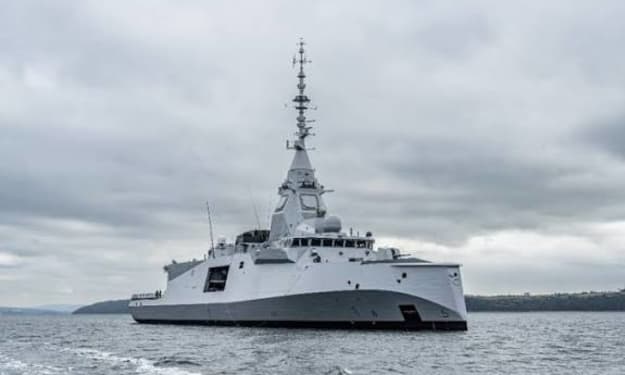
First French FDI Frigate Begins Long-Duration Deployment
The French Navy has officially commenced the long-duration deployment of its first FDI (Frégate de Défense et d’Intervention) frigate, marking a significant milestone in France’s maritime defense capabilities. Designed for multi-mission roles, the FDI class frigates are intended to replace older vessels in the French fleet while delivering advanced technological capabilities for both national defense and international operations. This deployment signals France’s commitment to maintaining a robust naval presence in strategic waters amid rising global maritime tensions. The FDI frigate, equipped with state-of-the-art sensors, stealth features, and advanced weapons systems, is expected to perform a variety of missions during its deployment. These include maritime surveillance, anti-submarine warfare, protection of sea lanes, and supporting international coalition operations. The ship’s design incorporates modern combat systems, including the Sea Fire 500 radar and Aster missile systems, allowing it to track and neutralize aerial, surface, and underwater threats. French naval officials emphasize that the FDI frigate is capable of operating autonomously or as part of a larger naval task force, enhancing operational flexibility. The deployment represents not only a technological achievement but also a strategic statement. France has been actively expanding its naval influence in key regions, including the Indo-Pacific, the Mediterranean, and the Atlantic. With global security challenges evolving rapidly, particularly in contested maritime zones, the FDI frigate’s extended deployment demonstrates France’s readiness to project power and safeguard maritime interests. Officials have highlighted that this deployment will involve extensive exercises, joint maneuvers with allied navies, and operational patrols in areas critical to international trade and security. The FDI program itself has been a centerpiece of French naval modernization efforts. These frigates are smaller and more cost-effective than larger destroyers, but they do not compromise on firepower or technological sophistication. The construction of the first FDI frigate involved advanced shipbuilding techniques to improve stealth capabilities, reduce maintenance costs, and ensure long-term sustainability. By integrating cutting-edge electronics, propulsion systems, and automated operations, these frigates exemplify a new generation of naval engineering that blends efficiency with combat readiness. French defense experts note that the FDI frigate’s deployment is part of a broader plan to reinforce Europe’s maritime security posture. As geopolitical tensions rise in areas such as the South China Sea, the Eastern Mediterranean, and the North Atlantic, France aims to maintain a credible naval presence that can respond swiftly to emerging threats. The FDI frigate’s ability to integrate with multinational naval forces, including NATO operations, enhances its role as a versatile instrument of both national defense and international cooperation. During the upcoming deployment, the frigate will participate in exercises designed to test its combat systems under realistic conditions. These exercises are expected to include anti-air, anti-ship, and anti-submarine operations, providing valuable operational data and refining crew readiness. Furthermore, the deployment will involve diplomatic visits to friendly ports, reinforcing France’s role as a strategic partner in global maritime affairs. This dual focus on operational capability and international cooperation underscores the strategic importance of the FDI program. The successful launch and deployment of the FDI frigate also have broader implications for France’s domestic defense industry. The program supports high-tech manufacturing jobs, fosters innovation in shipbuilding, and strengthens the country’s strategic independence. The integration of advanced weaponry and electronics demonstrates France’s capability to produce cutting-edge military technology domestically, reducing reliance on foreign suppliers. In conclusion, the long-duration deployment of the first French FDI frigate marks a major milestone in both naval modernization and strategic maritime presence. Its advanced capabilities, versatility, and readiness to operate in diverse scenarios highlight France’s commitment to safeguarding its interests and contributing to international maritime security. As the FDI frigate begins its mission, it not only showcases France’s technological achievements but also signals its enduring commitment to maintaining a credible and agile naval force on the global stage.
By Fiaz Ahmed Brohi7 days ago in The Swamp
Navy’s Top Admiral Wants To Tailor Warship Deployments To Specific Missions
In an era where geopolitical tensions are escalating and naval operations are becoming increasingly complex, the top leadership of the navy is rethinking how warships are deployed. The country’s top admiral has emphasized a shift away from broad, generalized deployments toward a strategy that aligns each vessel’s capabilities with specific missions. This approach aims to maximize operational effectiveness while addressing emerging threats in maritime security. Modern naval warfare is no longer solely about firepower and the size of a fleet. It involves precision, flexibility, and adaptability. According to the admiral, deploying ships without considering mission-specific requirements often results in underutilization of resources and missed strategic opportunities. “Every warship is designed with particular strengths. By assigning them tasks that match those strengths, we ensure not only operational success but also the safety of our personnel,” the admiral stated during a recent briefing. The concept of mission-tailored deployments is not entirely new but is gaining momentum due to changes in global maritime threats. In recent years, navies worldwide have faced unconventional challenges, from piracy and smuggling to cyber warfare and missile threats. The traditional model of positioning warships in broad patrol zones has limitations when facing such specialized challenges. By analyzing the operational environment and aligning each ship’s capabilities with the mission at hand, commanders can respond faster and more effectively. One key aspect of this strategy involves advanced intelligence-gathering and reconnaissance. By leveraging satellite data, maritime drones, and real-time communications, naval planners can determine which ships are best suited for particular tasks. For instance, a destroyer equipped with advanced missile systems may be assigned to areas with higher threats of aerial or missile attacks, while smaller, more agile vessels handle anti-piracy operations or humanitarian missions. Another critical consideration is resource optimization. Maintaining a large fleet on extended deployments is expensive and logistically challenging. Tailored deployment strategies reduce fuel consumption, maintenance strain, and operational fatigue for sailors. The admiral highlighted that mission-focused assignments can extend the operational lifespan of ships and equipment while ensuring crews are not overburdened with unrelated duties. International cooperation also plays a role in this evolving strategy. Allied navies often coordinate joint exercises and patrols, creating opportunities for sharing intelligence and aligning mission objectives. By deploying ships with specialized roles, navies can contribute effectively to multinational efforts while maintaining national security priorities. Training is also being adapted to support this tailored deployment approach. Sailors are receiving specialized instruction to operate specific systems and adapt to unique operational scenarios. This ensures that when a ship is assigned to a mission, the crew is fully prepared to handle all possible challenges efficiently. Critics argue that focusing too narrowly on mission-specific deployments may reduce flexibility in emergencies or unexpected threats. However, the admiral emphasized that mission-tailored deployment does not eliminate the ability to respond to unforeseen situations. Instead, it creates a framework where each ship and crew is prepared for their primary role while retaining the capability to adapt. The admiral’s vision reflects a broader trend in modern militaries toward precision, specialization, and technology-driven operations. As global maritime dynamics shift, such approaches may become standard practice. Mission-focused deployments not only enhance operational efficiency but also increase deterrence by demonstrating a navy’s capability to respond with the right assets in the right place at the right time. In conclusion, the navy’s top leadership is embracing a strategic shift that prioritizes the alignment of warship capabilities with specific missions. This approach promises to make naval operations more efficient, effective, and adaptable in an increasingly complex global security environment. By tailoring deployments to meet unique operational requirements, the navy ensures its forces remain a formidable and flexible maritime power.
By Fiaz Ahmed Brohi2 days ago in The Swamp
How to Succeed at the Benson Directory®
Congratulations and welcome to the Benson Directory® employee #22391! As our newest call handler, you will have the privilege of speaking with dozens of unique and interesting people on a daily basis as well as the opportunity to earn bonuses for high performance. Contained within this handbook you will find a set of ease to follow instructions designed to help you settle in to your new role and begin paving the way to success.
By S. A. Crawford5 days ago in Fiction



Comments
There are no comments for this story
Be the first to respond and start the conversation.