
Children Among 25 Killed in One of Russia’s Deadliest Strikes on Western Ukraine
A brutal attack on Ternopil raises global concern as families mourn and the world demands accountability.

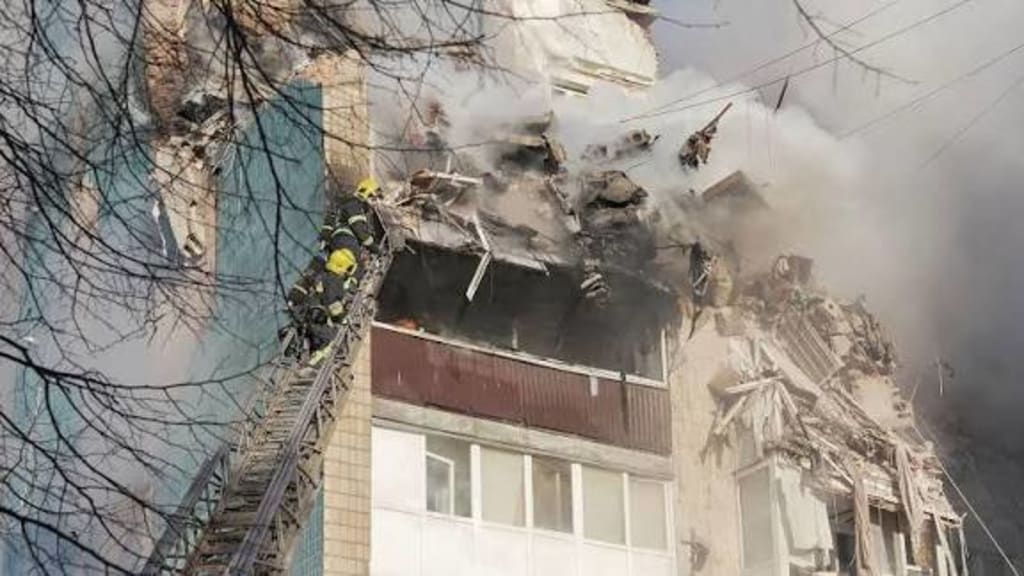
In a tragic escalation of the war, a devastating Russian strike on the Ukrainian city of Ternopil claimed the lives of at least 25 people, including three children, local officials confirmed. The attack hit residential buildings in the heart of western Ukraine—far from the front lines—and has reignited global outrage over civilian targeting in a war that continues to upend countless lives.
A Quiet City Under Fire
Ternopil, a city of more than 200,000 residents in western Ukraine, is not typically associated with the heaviest combat zones. But in a single horrifying night, Russian forces launched a barrage of drones and missiles, striking two nine-story apartment buildings. Ukrainian authorities report that 476 strike and decoy drones, plus 48 missiles, were used in the attack—underscoring the scale and intent behind the assault.
As first responders worked through the rubble, emergency services confirmed the horrific death toll. Among the 73 injured are 15 children, highlighting how deeply the strike has pierced the civilian fabric of Ukrainian life. Local officials say that rescue teams are still searching for survivors in the debris, while families remain in shock.
The Human Toll: Beyond the Numbers
The death of even one child is a tragedy. But when three children are among the dead, it raises profound questions about the conduct of war. Residents of Ternopil described scenes of chaos: families desperate to find loved ones, neighbors digging through wreckage with shovels, and children sobbing for parents who never returned.
For many Ukrainians, the strike isn’t just a military event—it’s deeply personal. Ternopil itself has become a grim symbol of how war now spills across regions once considered safe.
Why This Strike Is Especially Shocking
This attack stands out for several key reasons:
1. Location: Western Ukraine has often been seen as more secure than border zones, but this strike shatters that illusion.
2. Scale: Hundreds of drones and dozens of missiles point to high-level planning and a sustained campaign, not a random or spontaneous act.
3. Civilian Focus: The target was residential. The loss of families, especially children, undermines any claim that the strike was limited to military or infrastructure targets.
International Response and Growing Pressure
As news of the strike spread, NATO scrambled jets from Romania, and neighboring countries issued travel and airspace warnings. Meanwhile, Ukrainian leadership is demanding accountability. President Volodymyr Zelenskyy has called on the world to increase pressure on Moscow, demanding not just condemnation, but concrete action to prevent further attacks on civilians.
Analysts say this incident could mark a turning point in international support for Ukraine. If nations fail to respond, Ukrainian officials warn, civilian casualties will only grow in frequency—and so too will disillusionment with diplomatic efforts.
A Pattern Emerging
Ternopil is not the first western Ukrainian city to suffer in the crossfire. In recent months, Russian strikes have increasingly targeted far-flung regions, hitting energy infrastructure, transport hubs, and civilian areas with growing force.
This spread suggests a deliberate strategy: weaken Ukraine’s support infrastructure, sow fear in the population, and pressure the government beyond the battlefield. Such strikes raise grim questions about whether Russia is broadening its campaign to include a psychological component—making even “safe” regions feel unsafe.
What the People of Ternopil Need Now
For Ternopil’s survivors, the road ahead will be long:
Emergency Aid and Reconstruction: Homes, schools, and essential services were destroyed in the attack. Families need housing, emergency funds, and immediate medical care.
Psychological Support: The trauma of losing loved ones—and especially children—cannot be underestimated. Mental health resources must be prioritized.
Accountability: Ukrainian leaders and international organizations must push for independent investigations into civilian-targeted strikes.
Increased Defenses: To prevent further mass-casualty strikes, Ukraine will likely need more air defense support from allies.
A Haunting Reminder
The Ternopil strike is not just another wartime incident. It’s a haunting reminder that in this war, no corner of Ukraine is immune, and the most vulnerable—children—continue to pay the highest price.
At its core, the attack raises a moral and strategic test: how the world responds to such blatant civilian losses could determine not just Ukraine’s future, but whether wartime norms still matter.
About the Creator
Fiaz Ahmed
I am Fiaz Ahmed. I am a passionate writer. I love covering trending topics and breaking news. With a sharp eye for what’s happening around the world, and crafts timely and engaging stories that keep readers informed and updated.
Keep reading
More stories from Fiaz Ahmed and writers in The Swamp and other communities.
Things Happen’ – Trump Defends Saudi Crown Prince Over Khashoggi Killing
When former U.S. President Donald Trump commented that “things happen” while defending Saudi Crown Prince Mohammed bin Salman (MBS) over the killing of journalist Jamal Khashoggi, the world reacted with shock, criticism, and renewed debate. The murder of Khashoggi in 2018 remains one of the most disturbing political scandals of the past decade. Yet Trump’s recent remarks have revived global attention—not only on the case itself, but on how political leaders balance morality with strategic alliances.
By Fiaz Ahmed 2 months ago in The Swamp
European Troops Arrive in Greenland as US and Denmark Talks Fail to Resolve Dispute
European troops have begun arriving in Greenland, following a breakdown in diplomatic talks between the United States and Denmark over strategic influence in the Arctic region. The deployment comes amid escalating concerns over sovereignty, territorial defense, and access to the island’s rich natural resources.
By Aarif Lashari4 days ago in The Swamp




Comments
There are no comments for this story
Be the first to respond and start the conversation.