
Chia Seeds Cultivation: The Future of Sustainable Farming in India
Sustainable Farming in India
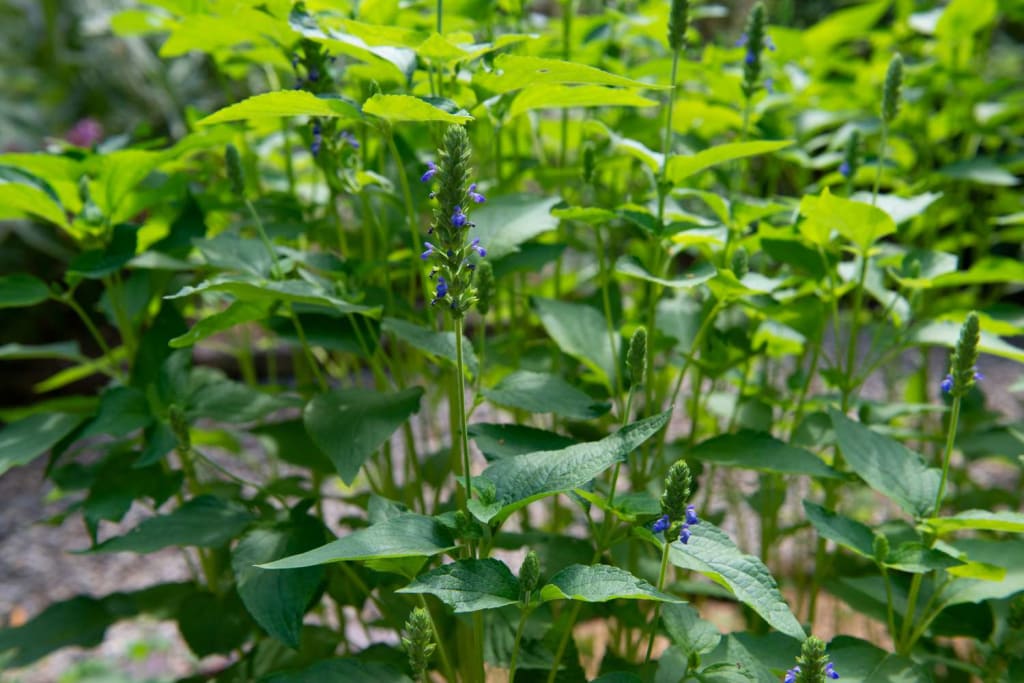
Chia seeds have been highly popular over the past few years because of their health benefits.
These black and white-coloured seeds contain fibre, protein, and omega-3 fatty acids in a very high proportion. Being adaptable to India's climate, many farmers are considering growing the crop. This guide will explore the right farming procedures for successful cultivation.
7 Simple Steps for Chia Seeds Cultivation
Chia seed cultivation is easy and requires less maintenance, which makes it a great option for all kinds of farmers. If you follow the proper steps, you can have a healthy crop and a good harvest.
Preparing the Soil for Chia Cultivation
Soil preparation plays an important role in the successful cultivation of chia seeds. They grow well in loamy soil with good drainage. The pH level of the soil should ideally be between 6.0 and 8.5. Before the plantation, farmers should clear the land of weeds and plough the soil thoroughly to improve aeration.
Applying organic compost or farmyard manure that has been well decomposed will enhance the fertility of the soil. As the crops do not need heavy fertilisers, using natural nutrients will provide proper growth along with healthy soil. You can use Swaraj Tractor as they have a powerful engine and PTO power, which can easily handle multiple farming equipment. It will help in breaking compacted soil and is also effective in other farming procedures.
Sowing Chia Seeds
Seeds are tiny, so they must be planted carefully in order not to overcrowd. Broadcasting or line-sowing are the most preferred methods of farming. If broadcasting, make sure that the seeds are uniformly spread over the farm. However, in the sowing method, seeds are planted row-wise with a spacing of around 20 to 30 cm between them.
Seeds must be planted at a shallow depth of 1 to 2 cm. Seeds require water for germination, and therefore, the field must be irrigated soon after planting. Within a week, small seedlings begin to emerge, and the growth cycle begins.
Irrigation and Water Management
The plants need very little water once established. Nevertheless, at the germination stage, they must have sufficient moisture to grow. Light watering at intervals is advisable for the initial weeks. After the plants have reached a stable height, they can tolerate dry spells and need less watering.
Drip irrigation is a good practice for chia cultivation because it provides water to plants without much wastage. In addition, farmers must prevent overwatering since the plants are susceptible to root rot under waterlogged soil.
Weed and Pest Management
The plants come close to one another, thereby stopping the weeds from growing. Nevertheless, when in the growth phase, weeds have to be physically eliminated to avoid competition for nutrients. Mulching using dried straw or leaves retards soil moisture loss and prevents weed growth.
The crop is usually resistant to disease and pests, but can be attacked by aphids or fungal infections, and destroy the yield. Natural predator introduction, like ladybugs, or organic pesticides, such as neem oil, may aid in pest control without destroying the crop.
Growth and Flowering Stage
Chia plants mature in about 90 to 120 days. They reach about 3 to 4 feet in height during this time. Tiny white or purple flowers start to develop, which indicates the approach of the harvesting period. Furthermore, having bees and other natural pollinators within the area can enhance seed yields. Farmers must not use chemical pesticides that can kill bees and other helpful insects.
Harvesting Chia Seeds
The plants are ready to be harvested when the flowers wilt, and the seed heads become brown. If this process is delayed, seed loss can occur because mature seeds are easily spread when wind or rain disturbs them.
Farmers can cut the plants at the base and dry them in a shaded place for a few days. After drying, the seeds can be removed from the plant by threshing or winnowing. Drying properly makes them last long and is free from mould or moisture damage.
Post-Harvest Processing and Storage
After that, the seeds must be properly cleaned to eliminate any contaminants. They must be sun-dried before they are stored in sealed containers. Storage is necessary to preserve the quality and shelf life. They contain a high percentage of oil, making them spoilage-prone when they are not properly stored. By storing the seeds in a cool and dry location, their nutritional content is maintained for a longer period. Other farmers also packed them in vacuum packs to avert oxidation.
Conclusion
Chia seed farming in India is a profitable business for farmers willing to invest in new crops. With minimal water requirements, resistance to pests, and growing market demand, it has proven to be a sustainable crop. Farmers can grow it successfully by implementing the proper soil preparation, irrigation, and harvesting techniques, thus contributing to the expanding food market.
About the Creator
Keep reading
More stories from Yatin Bhardwaj and writers in The Swamp and other communities.
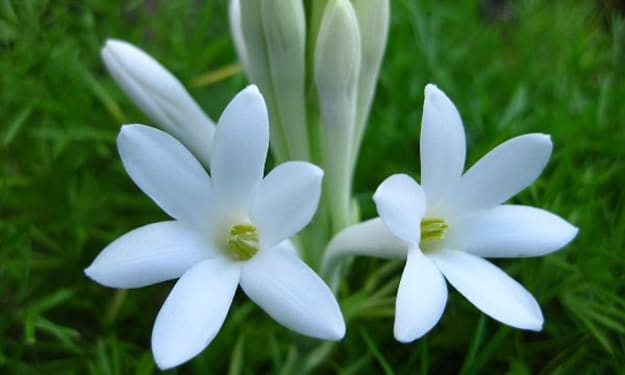
Successful Tuberose Farming: Tips for High Yield Crop
Tuberose farming in India is a profitable agricultural business across various sectors. Because of the sweet, lovely fragrance and look, the crop is a popular choice for a lot of farmers. In addition, states such as Tamil Nadu, Karnataka, Andhra Pradesh, Uttar Pradesh, and West Bengal are major yielders of the flower. The guide will explore the different characteristics of farming, from climatic requirements to post-harvest.
By Yatin Bhardwaj11 months ago in The Swamp
Silver Turns Strategic as Critical Minerals Reshape Supply Chains
Silver is undergoing a quiet but profound transformation. Long valued for its role as a precious metal and store of wealth, silver is increasingly being recognized as a strategic material at the center of modern supply chains. As governments and industries worldwide scramble to secure critical minerals essential for clean energy, advanced manufacturing, and digital infrastructure, silver’s importance is being redefined. This shift is reshaping how the metal is produced, traded, and valued in global markets.
By Salaar Jamaliabout 11 hours ago in The Swamp


Comments
There are no comments for this story
Be the first to respond and start the conversation.