
Kazakhstan’s Oil Economy Hit by Ukraine Drone Strike on Russian Assets
Ukraine drone strike disrupts Russian energy infrastructure, sending shockwaves through Kazakhstan’s oil-dependent economy.

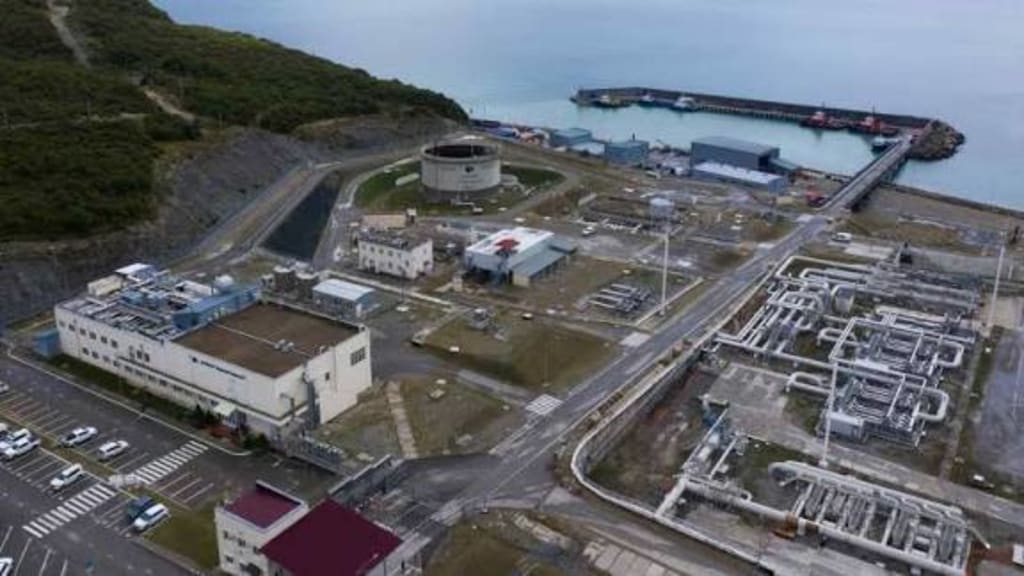
Kazakhstan’s oil sector has been rattled after a Ukrainian drone strike targeted Russian energy infrastructure, a move that has indirectly affected the Central Asian nation’s economy. Although the attack focused on Russian assets, Kazakhstan’s deep integration with regional oil pipelines and export routes has exposed its vulnerability to geopolitical shocks.
Kazakhstan is the largest oil producer in Central Asia, relying heavily on exports for revenue, foreign currency, and overall economic stability. A substantial portion of its crude oil travels through pipelines controlled or influenced by Russia. Therefore, disruptions in Russian infrastructure can have immediate and far-reaching consequences for Kazakhstan’s energy-dependent economy.
The Drone Strike and Its Immediate Effects
The Ukrainian strike reportedly damaged facilities connected to Russia’s oil transport network. While authorities have not disclosed the full extent of the damage, analysts confirm that the incident impacted the Caspian Pipeline Consortium (CPC) route, a critical artery for Kazakh crude shipments to the Black Sea port of Novorossiysk.
Even brief disruptions along this corridor can cause shipment delays, inventory backlogs, and potential contractual penalties for exporters. Industry experts say the attack has already created uncertainty in international markets, particularly for European buyers reliant on Caspian oil as a supply alternative to Russian crude.
Economic Implications for Kazakhstan
Oil revenues constitute a significant portion of Kazakhstan’s state budget, meaning any interruption can strain government finances, affect the local currency, and create ripple effects across other sectors of the economy. Traders and investors are closely watching the situation, and volatility in Kazakh oil markets is expected until export routes are fully stabilized.
Analysts emphasize that while Kazakhstan itself was not directly involved in the conflict, its economic exposure is a consequence of interconnected energy infrastructure. Even neutral nations feel the impact when a regional power’s energy logistics are disrupted.
Energy Dependence and Strategic Challenges
Kazakhstan’s reliance on Russian-controlled infrastructure highlights a longstanding strategic vulnerability. Despite efforts to diversify export routes, a substantial portion of the country’s oil still depends on Russian transit corridors.
Experts suggest that the latest disruption may accelerate Kazakhstan’s push to:
Develop alternative pipeline routes bypassing Russian territory
Expand Caspian Sea shipping capacity
Forge stronger energy partnerships with European and Asian markets
Invest in long-term infrastructure resilience
However, building new routes or increasing capacity requires time and significant investment, leaving Kazakhstan partially exposed in the short term.
Ukraine’s Strategy and Wider Regional Effects
The drone strike is part of Ukraine’s broader strategy to weaken Russia’s war economy by targeting energy assets. While the immediate objective is to disrupt Russian revenue streams, such attacks also affect neighboring countries whose economies are intertwined with Russia.
Kazakhstan’s experience shows how modern warfare can have indirect economic consequences beyond national borders. Analysts argue that energy-dependent nations must now account for geopolitical risk when planning exports, infrastructure investments, and fiscal budgets.
Global Market Reactions
The attack prompted brief spikes in crude oil prices on international markets, reflecting concern over potential supply interruptions. European countries, particularly those diversifying away from Russian oil, are sensitive to disruptions in alternative sources like Kazakhstan.
Financial analysts caution that prolonged instability could complicate Europe’s energy transition plans and place additional pressure on nations like Kazakhstan to secure reliable export channels.
Kazakhstan’s Response
Kazakh authorities have stressed that oil production remains stable and that contingency measures are being activated to mitigate disruption. Government officials are reportedly engaging with pipeline operators, foreign partners, and regional stakeholders to ensure that exports continue and contractual obligations are met.
Additionally, Kazakhstan may accelerate policy initiatives aimed at energy security and diversification, reducing reliance on Russian transit points in the long term.
Long-Term Implications
This incident underscores a harsh reality: in an interconnected energy network, even neutral countries can face significant economic consequences during regional conflicts. For Kazakhstan, the drone strike serves as a wake-up call to:
Strengthen alternative export routes
Enhance infrastructure resilience
Consider broader economic diversification to reduce dependency on oil revenues
Energy experts argue that Kazakhstan’s long-term stability will increasingly depend on balancing economic growth with risk mitigation strategies in geopolitically sensitive regions.
Conclusion
The Ukrainian drone strike on Russian energy assets demonstrates how conflicts can ripple across borders, affecting economies that are not directly involved. Kazakhstan, heavily dependent on oil exports, is experiencing the impact firsthand, illustrating the vulnerabilities inherent in interconnected energy systems.
While the government seeks to maintain export stability and reassure markets, this event emphasizes the importance of infrastructure diversification, regional cooperation, and strategic foresight. As global energy markets remain volatile, Kazakhstan’s experience offers a crucial lesson on resilience in a world where economic security and geopolitics are tightly intertwined.
About the Creator
Fiaz Ahmed
I am Fiaz Ahmed. I am a passionate writer. I love covering trending topics and breaking news. With a sharp eye for what’s happening around the world, and crafts timely and engaging stories that keep readers informed and updated.
Keep reading
More stories from Fiaz Ahmed and writers in The Swamp and other communities.
Russia Loses 1,400 Troops and an Aircraft in Ukraine Over Past Day
The war in Ukraine continues to escalate, as reports indicate that Russia suffered significant losses over the past 24 hours, including 1,400 troops and one aircraft. Ukrainian military sources say these figures reflect the intensity of recent frontline battles and highlight the ongoing human and material cost of the conflict.
By Fiaz Ahmed about a month ago in The Swamp



Comments
There are no comments for this story
Be the first to respond and start the conversation.