
Canada Warns of Major Trade War as Tariff Threats Loom from US
Canada’s Response to US Tariff Plans: A Closer Look
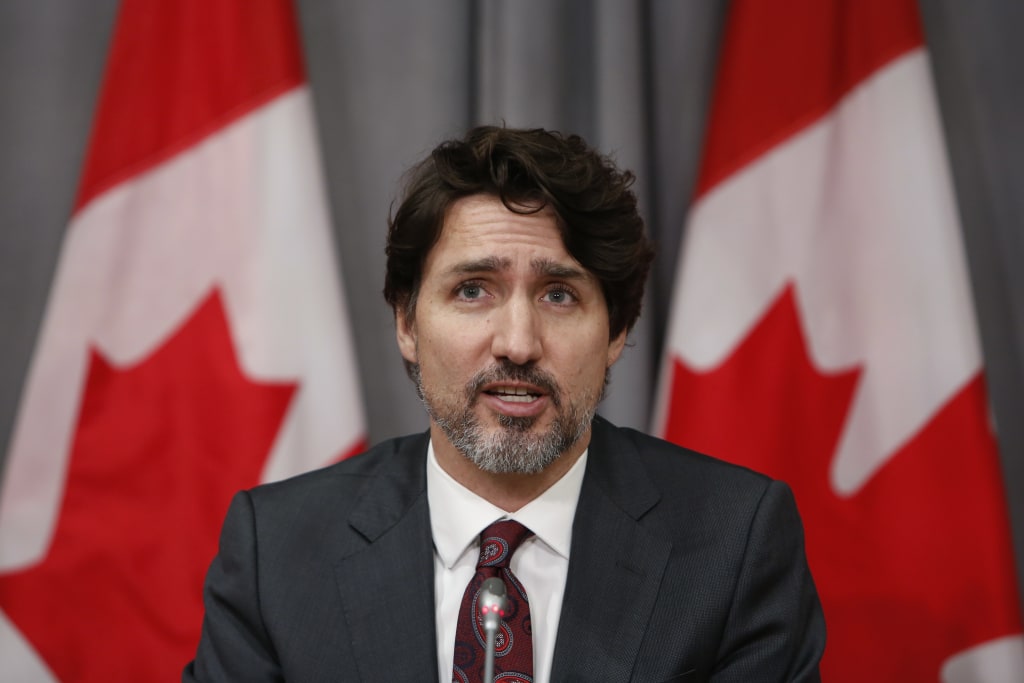
Tensions between Canada and the United States have risen significantly as trade-related disputes threaten to escalate. Following a recent announcement by U.S. President-elect Donald Trump, Canada’s leadership has expressed strong concerns over proposed tariffs on Canadian imports. In response, Canada is preparing to take firm retaliatory measures. This marks a critical juncture in North American trade relations, potentially impacting both economies significantly.
Canada’s Response to Tariff Plans
The incoming U.S. administration’s suggestion of a 25% tariff on Canadian goods has drawn sharp criticism from Canadian officials. Foreign Minister Melanie Joly, speaking at a press conference in Washington, emphasized Canada’s readiness to act decisively. “This could spark the largest trade conflict between Canada and the U.S. in decades,” she remarked. Joly highlighted that any aggressive trade measures would prompt a powerful response aimed at protecting Canadian businesses and workers.
Canada’s government has developed a series of strategies to counter the proposed tariffs. Joly noted that Ottawa has identified products for higher import duties, including steel, ceramics, glassware, and orange juice. These measures would be implemented in phases and could expand depending on future developments.
Economic Impact and Potential Repercussions
The imposition of tariffs could carry far-reaching economic consequences. One scenario, as outlined by Scotiabank, suggests that a prolonged trade war might shrink Canada’s GDP by over 5%, significantly increase unemployment, and drive inflation. In addition, Canadian consumers could face higher prices on essential goods, further straining household budgets.
Prime Minister Justin Trudeau echoed these concerns, stating that the tariffs would not only jeopardize jobs on both sides of the border but also raise consumer prices and undermine regional security. Trudeau stressed Canada’s unwavering commitment to defending its economic interests, emphasizing, “We will protect Canada and Canadians with strength and determination.”
Broader Trade Relations and Global Implications
Trump’s protectionist stance extends beyond Canada, targeting Mexico, China, and other trading partners as part of his broader economic agenda. The aggressive tariff policy, if enacted, could reshape global trade dynamics. Analysts warn that such actions may lead to retaliatory tariffs from other nations, creating a ripple effect that disrupts supply chains and increases costs worldwide.
The U.S. itself may not escape unscathed from these policies. Tariffs typically lead to higher import prices, which could be passed on to American consumers as a “tariff tax,” raising the cost of everyday products. Additionally, industries that rely on Canadian imports, such as automotive and construction, may experience reduced profitability and job losses.
Diplomatic Efforts and Future Prospects
Despite the growing tensions between Canada and the U.S., there remains a glimmer of hope for a diplomatic resolution. Trade negotiations and ongoing bilateral discussions are seen as vital tools that could help mitigate the risk of a full-blown trade war. Many economic experts strongly recommend that both countries engage in constructive dialogue and compromise as the most effective path forward, emphasizing that such measures are essential to preserve their long-standing trade partnerships and safeguard broader economic stability.
For Canada, the stakes are particularly high in maintaining strong trade relations with its largest trading partner. Given the deep interconnection between the two nations' economies, Canadian officials have consistently expressed their desire for a fair, balanced, and mutually beneficial trade environment. At the same time, Canada’s readiness to implement countermeasures reflects a strong commitment to protecting its national interests. However, this stance also serves as a signal that Canada is not only prepared to defend itself but is also open to negotiating terms that ensure both nations can thrive economically in the long run.
Conclusion
The looming threat of tariffs and the potential for a trade war between Canada and the United States have raised serious economic and diplomatic concerns. While Canada prepares to defend its economy through retaliatory measures, both nations must weigh the far-reaching consequences of escalating trade tensions. Constructive engagement and cooperative dialogue offer the most effective means to avoid a trade conflict that could destabilize economies and affect millions of workers across North America.
**********************************************************************Source
NDTV
google news
About the Creator
Keep reading
More stories from Jebaraj Jacob and writers in The Swamp and other communities.
Israel to Free 737 Prisoners in Initial Phase of Gaza Ceasefire Agreement
Jerusalem: In a landmark decision, Israel’s justice ministry has announced that 737 prisoners and detainees will be released as part of the first phase of the Gaza ceasefire and hostage exchange deal, which was approved on Saturday. The ministry confirmed on its official website that the government has authorized the release of these individuals, who are currently held in Israeli prisons. This move is a key component of the broader agreement aimed at de-escalating tensions and facilitating the return of hostages held by Hamas.
By Jebaraj Jacob about a year ago in The Swamp
Netanyahu Asked Trump to Postpone Strike on Iran, NYT Reports
Israeli Prime Minister Benjamin Netanyahu privately urged former US President Donald Trump to postpone a potential military strike on Iran, according to a report by The New York Times. The revelation sheds new light on behind-the-scenes diplomacy at a time of heightened tensions in the Middle East, highlighting the delicate balance between military action, political calculation, and regional stability.
By Aarif Lashari3 days ago in The Swamp




Comments (1)
Fascination’ with obliteration. Interesting!