
Netanyahu Asked Trump to Postpone Strike on Iran, NYT Reports
Behind-the-Scenes Diplomacy Revealed
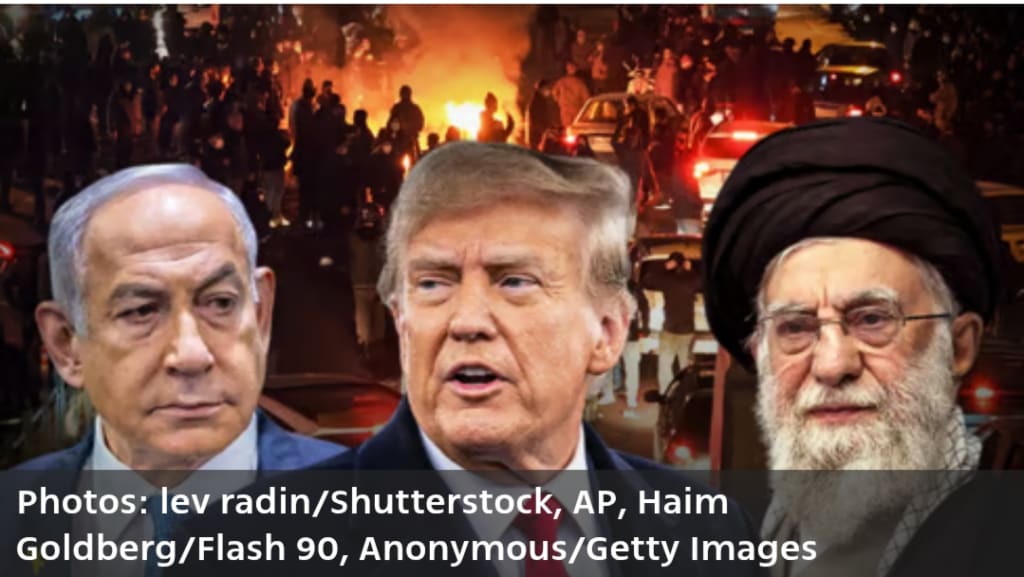
Israeli Prime Minister Benjamin Netanyahu privately urged former US President Donald Trump to postpone a potential military strike on Iran, according to a report by The New York Times. The revelation sheds new light on behind-the-scenes diplomacy at a time of heightened tensions in the Middle East, highlighting the delicate balance between military action, political calculation, and regional stability.
The report suggests that despite Israel’s longstanding hardline stance on Iran’s nuclear ambitions, Netanyahu sought to delay direct military confrontation, favoring strategic timing and broader international coordination.
Context of Rising US-Iran Tensions
The reported request came amid escalating hostilities between the United States and Iran, including disputes over Tehran’s nuclear program, sanctions enforcement, and regional proxy conflicts. During this period, Washington was reportedly weighing military options in response to intelligence assessments that Iran was accelerating sensitive nuclear activities.
Iran, meanwhile, denied intentions to build nuclear weapons, maintaining that its program was for peaceful purposes. Nonetheless, concerns among Western and regional allies intensified, fueling fears of a broader conflict.
Netanyahu’s Calculated Caution
According to the New York Times, Netanyahu argued that an immediate strike could trigger unpredictable regional consequences, including retaliation against Israel and US assets across the Middle East. He reportedly stressed the importance of ensuring that any military action would be decisive, internationally justified, and supported by clear post-strike planning.
This cautious approach contrasts with Netanyahu’s public rhetoric, which has often emphasized Israel’s willingness to act alone if necessary to prevent Iran from acquiring nuclear weapons. Analysts say the reported request reflects a pragmatic recognition of the risks involved in unilateral or hastily executed military action.
Trump’s Position and Response
While the exact details of Trump’s response remain unclear, the report indicates that the former president listened to Netanyahu’s concerns but continued to view military pressure as a viable option. Trump has consistently portrayed himself as tough on Iran, citing the withdrawal from the nuclear deal and the imposition of sweeping sanctions as evidence of his firm stance.
At the same time, Trump has often expressed reluctance to engage in prolonged military conflicts, emphasizing swift, decisive action rather than drawn-out wars. The reported exchange highlights the tension between deterrence and restraint that defined US policy toward Iran during his presidency.
Implications for Israel’s Security Strategy
The revelation underscores the complexity of Israel’s security calculus regarding Iran. While Israel considers Iran’s nuclear ambitions an existential threat, it must also weigh the risks of retaliation from Hezbollah, Hamas, and other Iran-aligned groups in the region.
A premature strike, experts warn, could ignite a multi-front conflict involving Lebanon, Gaza, Syria, and even attacks on Israeli or Jewish targets abroad. By urging a delay, Netanyahu may have sought to buy time to strengthen defensive preparations and diplomatic coordination.
Regional and International Reactions
The report has sparked renewed debate among international observers. Some analysts interpret Netanyahu’s request as evidence of responsible leadership, prioritizing regional stability over immediate action. Others see it as a tactical move designed to ensure that any strike would occur under conditions most favorable to Israel.
Iranian officials have seized on the report to argue that threats of military action are exaggerated and politically motivated. Tehran continues to accuse both Washington and Tel Aviv of destabilizing the region through sanctions and covert operations.
European governments, which have traditionally favored diplomacy over military escalation, are likely to view the reported intervention as validation of their calls for restraint and dialogue.
The Role of Intelligence and Timing
Central to the decision-making process was intelligence regarding Iran’s nuclear progress. According to analysts, disagreements over the urgency of the threat often shape policy debates in both Washington and Jerusalem.
Netanyahu’s reported request to postpone action may reflect differing assessments between intelligence agencies, political leaders, and military planners about how close Iran truly is to achieving nuclear breakout capability.
Timing, experts note, is critical—not only in terms of military readiness but also political legitimacy and international support.
Domestic Political Considerations
The report also raises questions about domestic political pressures facing both leaders at the time. Netanyahu has often used Iran as a central theme in his political messaging, while Trump’s Iran policy played a key role in shaping his image as a strong, unconventional leader on the global stage.
Any military action—or decision to delay it—would have carried significant political consequences at home, influencing public opinion and electoral dynamics.
Conclusion: A Window Into High-Stakes Decision-Making
The New York Times report revealing that Netanyahu asked Trump to postpone a strike on Iran offers a rare glimpse into the high-stakes diplomacy that shapes Middle East security. It illustrates how public posturing can differ from private counsel, even among close allies.
While the full impact of the reported exchange may never be known, it highlights the enduring challenges of managing Iran’s nuclear ambitions without triggering a wider conflict. As tensions continue to simmer in the region, the episode serves as a reminder that restraint, timing, and diplomacy remain critical tools alongside military power.
About the Creator
Keep reading
More stories from Aarif Lashari and writers in The Swamp and other communities.
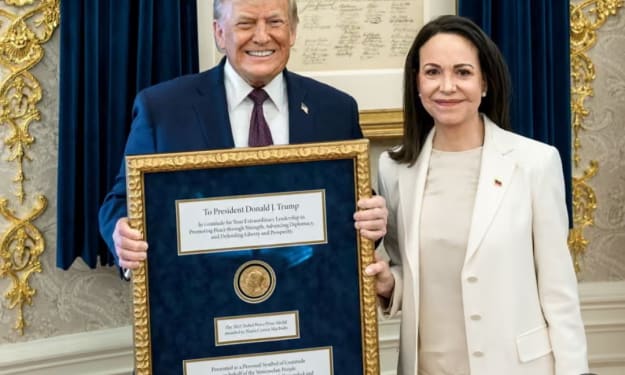
María Corina Machado Presents Trump With Her Nobel Peace Prize Medal
Venezuelan opposition leader María Corina Machado has made international headlines after presenting former US President Donald Trump with her Nobel Peace Prize medal, a highly symbolic gesture that has sparked intense political debate both inside and outside Venezuela. The moment, which took place during a high-profile meeting, was framed by Machado as a tribute to Trump’s role in confronting authoritarianism in Venezuela and supporting democratic movements in Latin America.
By Aarif Lashari2 days ago in The Swamp
Wild Card Weekend Recap: What Happens Now?
I think I figured out why I love Wild Card Weekend so much. It's because it's the first playoff anything of the calendar year. The NFL season starts in the fall, and once upon a time, the champion was crowned either on or slightly before New Year's. The evolution of the NFL schedule has resulted in the playoffs starting just into the New Year, and currently, the final week of the season falls on the first weekend of the New Year, with Wild Card Weekend coming a week after that. So yes, chronologically, the NFL's Wild Card Weekend serves as the first playoff anything of the calendar year.
By Clyde E. Dawkins5 days ago in Unbalanced



Comments
There are no comments for this story
Be the first to respond and start the conversation.