
Britain’s Fighter Jet Fleet Strengthened in £205 Million Boost for British Jobs
£205 Million Investment Modernizes UK Fighter Jets While Boosting Jobs and Innovation”

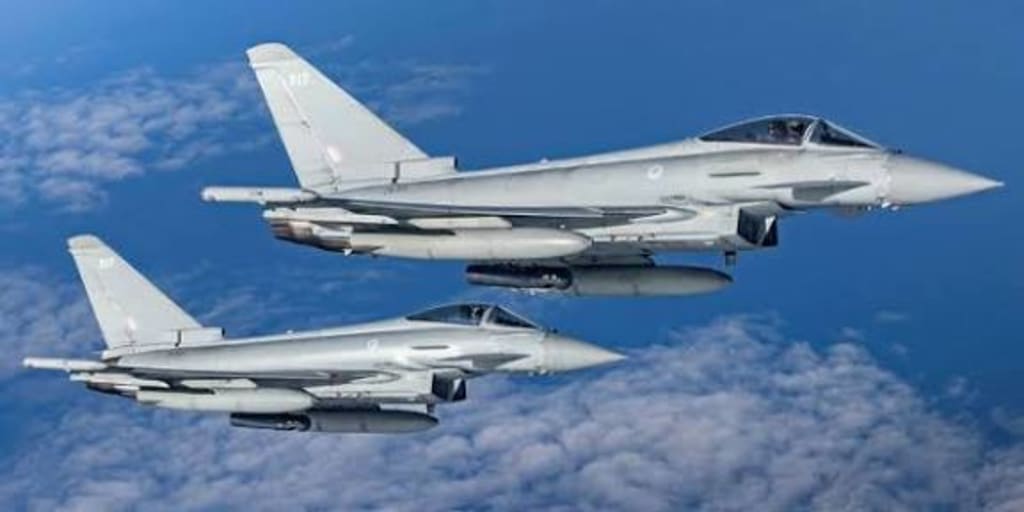
The United Kingdom has taken a significant stride in modernizing its air capabilities with a £205 million investment aimed at strengthening its fighter jet fleet. This move not only signals a renewed focus on national defense but also promises to deliver a substantial boost to British jobs and the aerospace sector.
The announcement, made by the Ministry of Defence (MoD), highlights the dual benefits of the program: enhancing the Royal Air Force’s operational readiness and sustaining high-value employment across the country. The funding is earmarked for upgrades to existing aircraft, procurement of spare parts, and the development of next-generation systems to ensure Britain’s fighter jets remain at the forefront of modern aerial combat.
Enhancing the Royal Air Force
Britain’s fighter jets, including the Eurofighter Typhoon and F-35 Lightning II, are central to the nation’s air defense strategy. The £205 million investment will facilitate key upgrades to avionics, weapons systems, and radar capabilities, allowing these aircraft to maintain superiority in increasingly complex airspaces.
The Royal Air Force has emphasized that maintaining a modern, capable fighter fleet is essential not only for defending the UK’s skies but also for supporting international commitments alongside NATO allies. With growing tensions across Europe and the Middle East, the modernization program ensures that the UK remains a credible and reliable security partner.
A Boost for British Jobs
Beyond defense, the program provides a significant economic stimulus, particularly in the aerospace and engineering sectors. The investment is projected to support thousands of jobs across the UK, from aircraft engineers and technicians to researchers and supply chain workers.
“This funding is not just about aircraft; it’s about people,” said a MoD spokesperson. “Each upgrade, each component, and each test flight represents employment and skill development across the country. The UK’s aerospace industry is world-class, and this investment ensures it continues to thrive.”
Indeed, defense spending has long been recognized as a key driver for technological innovation and job creation. British companies involved in manufacturing and maintaining fighter jets often work on cutting-edge technologies, including advanced composites, artificial intelligence, and electronic warfare systems. By investing in these programs, the government ensures that the workforce remains skilled, competitive, and ready for future challenges.
Strategic Significance
The timing of the investment is also noteworthy. Global security dynamics are shifting, with NATO facing new challenges and adversaries modernizing their air and missile capabilities. Strengthening the UK’s fighter fleet sends a clear message that the country is prepared to meet evolving threats and contribute to regional and global security.
Moreover, the upgrade program is designed to extend the operational life of existing aircraft, providing cost-effective solutions in a time of increasing defense budgets and fiscal scrutiny. By upgrading rather than replacing entirely, the MoD can maintain high-performance capabilities while avoiding the multi-billion-pound expenses associated with new aircraft procurement.
Collaboration and Innovation
The program also emphasizes collaboration with private aerospace firms. British manufacturers such as BAE Systems and Rolls-Royce are key partners, delivering components, engines, and technological innovations that power the fighter jets. The investment is expected to strengthen these partnerships, fostering innovation, knowledge transfer, and global competitiveness.
In addition, the funding supports research and development initiatives that could have broader applications beyond defense. Technologies developed for fighter jets—ranging from advanced sensors to autonomous flight systems—often find uses in civilian aviation, energy, and digital sectors, further amplifying the economic impact of the program.
Looking Ahead
As the UK continues to navigate a complex global security environment, investments in defense are likely to remain a top priority. Strengthening the fighter jet fleet represents a balance between national security needs and economic benefits, reinforcing Britain’s position as both a military power and an industrial innovator.
For the Royal Air Force, the investment ensures that pilots can operate with confidence, supported by advanced technology and a skilled workforce. For the British economy, it translates into jobs, innovation, and long-term industrial sustainability. In short, the £205 million commitment is more than just a defense measure—it is a strategic investment in Britain’s future.
Conclusion
The UK’s £205 million investment in its fighter jet fleet demonstrates a forward-looking approach to national defense. It safeguards the country’s skies, strengthens international commitments, and ensures that the aerospace industry continues to thrive. With advanced technology upgrades and a focus on high-value employment, this initiative underscores how defense spending can serve both strategic and economic objectives, benefiting the nation for years to come.
About the Creator
Fiaz Ahmed Brohi
I am a passionate writer with a love for exploring and creating content on trending topics. Always curious, always sharing stories that engage and inspire.
Keep reading
More stories from Fiaz Ahmed Brohi and writers in The Swamp and other communities.
Minister Rules Out National Security Status for New Fisheries Ships
In a recent statement, the government has ruled out granting national security status to newly commissioned fisheries vessels, a move that has sparked debate among policymakers, industry experts, and maritime stakeholders. While the fleet expansion is seen as a crucial step for safeguarding marine resources and boosting economic activity, the decision not to classify these ships under national security protocols raises questions about oversight, strategic priorities, and resource allocation. Expanding the Fisheries Fleet Over the past few years, the government has invested heavily in modernizing the country’s fisheries fleet. The new ships are equipped with advanced technology for monitoring fish stocks, enforcing sustainable fishing practices, and combating illegal, unreported, and unregulated (IUU) fishing. According to officials, these vessels represent a significant leap forward in protecting marine ecosystems and supporting coastal communities whose livelihoods depend on fishing. Despite the technological advancements, the minister clarified that these ships would not receive the same designation or protection as naval or coast guard vessels. “While these fisheries ships play a critical role in supporting the economy and monitoring our waters, they are not intended for national defense or military operations,” the minister stated. “They remain civilian assets focused on resource management and environmental stewardship.” Implications for Security and Oversight The decision has prompted discussions among experts about whether fisheries ships might still face security threats from piracy, territorial disputes, or organized criminal activity. Unlike naval ships, which operate under strict national security protocols and can respond to threats with military authority, fisheries vessels are primarily civilian in nature and have limited enforcement capabilities. Maritime security analyst Dr. Samantha Rowe notes, “Fisheries vessels are increasingly operating in areas where geopolitical tensions are rising, particularly in contested waters. While it may not be necessary to classify them as national security assets, there should be clear protocols and support mechanisms to ensure crew safety and vessel protection.” The lack of national security status also affects funding and coordination with defense forces. Civilian fisheries ships may not have access to certain intelligence, protective measures, or rapid response support that are standard for military vessels. This has led some stakeholders to advocate for enhanced cooperation between fisheries authorities and naval forces, without formally designating the ships as part of the national security apparatus. Economic and Environmental Considerations While security concerns are a key point of discussion, the primary purpose of the new fleet is economic and environmental. Fisheries play a vital role in food security, export earnings, and local employment, particularly in coastal regions. By investing in modern vessels equipped with satellite tracking, automated monitoring systems, and sustainable fishing technologies, the government aims to maximize resource efficiency and minimize environmental impact. Dr. Ramesh Patel, a marine ecologist, highlights the ecological importance of the fleet: “Illegal fishing and overexploitation of fish stocks are significant threats to marine biodiversity. These new ships are essential for data collection, enforcement of quotas, and ensuring that future generations have access to healthy oceans.” The minister emphasized that the decision not to assign national security status does not diminish the importance of the fleet. “Our priority is sustainable fisheries management and economic support for the fishing communities,” the minister explained. “National security designation is not a prerequisite for achieving these goals.” Strategic Balance By keeping the vessels under civilian status, the government maintains a balance between oversight, operational flexibility, and cost efficiency. National security classification would have required higher expenditure, stricter operational controls, and potential limitations on how the ships could be used in daily fisheries operations. Civilian status allows for more adaptable deployment while maintaining accountability through maritime regulations and fisheries authorities. Additionally, the decision reflects a broader trend in separating defense and civilian maritime functions. While some countries have merged fisheries and naval operations, others maintain clear distinctions to prevent mission overlap, reduce bureaucratic complexity, and allocate resources more efficiently. Public Response and Industry Reaction The fishing industry has generally welcomed the expansion of the fleet, noting that the vessels enhance productivity and compliance with international fishing standards. However, some groups have expressed concerns about potential threats from foreign actors, particularly in waters that are subject to regional disputes or increased smuggling activity. Stakeholders are calling for clear operational guidelines, emergency response plans, and cooperative arrangements with naval forces to ensure that the new fleet can operate safely without compromising its civilian mandate. Conclusion The government’s decision to rule out national security status for new fisheries ships underscores the civilian and economic focus of the fleet. While the ships are equipped with cutting-edge technology to monitor and protect marine resources, they remain separate from defense operations. As fisheries continue to play a critical role in the economy, food security, and environmental sustainability, the challenge lies in ensuring that the vessels operate safely in increasingly complex maritime environments. Collaboration, proper oversight, and strategic planning will be key to maximizing the fleet’s impact without overextending its civilian mandate.
By Fiaz Ahmed Brohiabout 16 hours ago in The Swamp
Access to Elon Musk’s Starlink Internet Service Is Now Free in Iran as Regime Continues Brutal Crackdown on Protests
As Iran faces one of the most intense waves of protests in its modern history, the government has responded with force, fear, and an all-too-familiar tactic: shutting down the internet. But in a surprising twist, access to Elon Musk’s Starlink satellite internet service is now reportedly free in Iran, offering protesters and civilians a rare way to stay connected with the outside world amid a brutal crackdown.
By Aqib Hussain6 days ago in The Swamp


Comments
There are no comments for this story
Be the first to respond and start the conversation.