
US Accuses EU of Seeking Cheese ‘Monopoly’ in South America
Trade tensions heat up over cheese, dairy, and market access
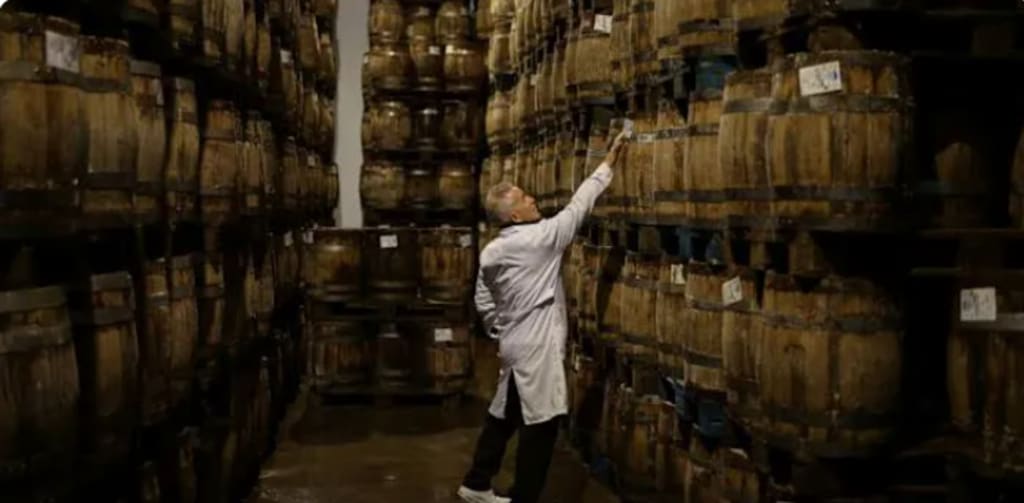
The latest twist in global trade? Cheese. Yes, cheese. The United States has accused the European Union of trying to monopolize the South American cheese market, and it’s causing waves in international trade circles. Let’s break it down.
What’s Happening?
The EU has been negotiating a massive trade deal with the Mercosur bloc — that’s Brazil, Argentina, Paraguay, and Uruguay. This agreement aims to remove most tariffs on goods traded between Europe and South America. For context, the Mercosur market has roughly 700 million consumers, making it a huge prize for exporters.
European leaders see this deal as a huge win, a way to strengthen ties with Latin America after 25 years of negotiations. But Washington sees it differently.
U.S. officials argue the EU’s deal could give European cheese makers, like those producing feta, Parmesan, or Roquefort, exclusive access to South American markets. This, according to the U.S., is essentially a monopoly, locking out American producers.
“This is a blatant attempt to limit competition and export opportunities for non-EU suppliers,” said a U.S. trade official.
Why Cheese Is at the Center of the Storm
The controversy centers on the EU’s geographical indication (GI) protections. These rules mean only products from certain regions can use specific names. For example:
Parmigiano Reggiano must come from Parma in Italy
Roquefort must come from the Roquefort region in France
The U.S. argues that these protections act as trade barriers, making it harder for American cheese makers to sell their products internationally. From Washington’s perspective, this isn’t about preserving culture — it’s about excluding competition.
Europe, on the other hand, insists GIs protect heritage, quality, and authenticity. It’s a classic clash of trade philosophies: U.S. markets favor open competition, while Europe prioritizes cultural preservation.
What About South America?
For countries like Brazil and Argentina, the EU-Mercosur deal is a big opportunity. They can export more beef, soy, and other goods to Europe thanks to lower tariffs.
But the U.S. fears that the EU’s cheese protections could dominate the South American market, limiting U.S. exports. Interestingly, Mercosur officials say they haven’t discussed restricting U.S. access, indicating the main tension is EU vs. U.S., rather than South America vs. anyone.
Trade Tensions in a Broader Context
The cheese conflict is part of a bigger picture. U.S.-EU trade relations have been tense for years, with tariffs and threats of retaliation affecting everything from steel to wine. European food producers have warned that rising U.S. tariffs could seriously hurt their exports, especially for smaller cheesemakers who rely on the U.S. market.
Meanwhile, the EU continues to push similar deals elsewhere — in Mexico, for example — often triggering American complaints over restricted market access. The recurring theme: Europe protects its traditional products, the U.S. wants free competition.
Monopoly or Cultural Protection?
When the U.S. talks about a “monopoly,” it’s not about a single company controlling the market. It’s about market access being heavily restricted by EU rules. U.S. dairy groups see this as exclusionary.
Europe counters that GI protections are about quality and tradition, not competition. They argue consumers worldwide benefit because they know exactly where their food comes from and that it meets specific standards.
For South American countries, the outcome could affect future trade deals and how they balance relationships with both economic giants.
What’s Next?
As the EU and Mercosur move toward signing their agreement, expect more debate and negotiation. The U.S. will likely continue pushing for more access for its dairy products, while the EU will defend its GI protections.
This isn’t just about cheese. It’s about trade philosophy, market access, and global influence. And in the complex world of international trade, even something as simple as cheese can spark big diplomatic battles.
Bottom Line:
Cheese might seem like a small thing, but it’s at the center of a larger struggle between the U.S. and EU. The Mercosur deal could reshape trade in South America, but the conflict over dairy shows how deeply national priorities, cultural heritage, and market access collide in global commerce.
About the Creator
Keep reading
More stories from Aqib Hussain and writers in The Swamp and other communities.
Coercion Without Ownership: The Real Trump Playbook on Iran
From grandiose promises of crushing the Iranian regime to last‑minute deals with Tehran over prisoner exchanges, the policy of former President Donald Trump toward Iran often appeared contradictory, transactional, and ultimately unconsolidated. What consistent logic underlay this approach? The answer lies in a framework that scholars and strategists might call “coercion without ownership” — an effort to force desired outcomes from Tehran without building or sustaining the political, diplomatic, and strategic consensus necessary to make those outcomes durable.
By Aqib Hussaina day ago in The Swamp
Global Vacuum Truck Market Set for Steady Expansion Through 2033
Global Vacuum Truck Market: Size & Forecast 2025–2033 The global vacuum truck market is projected to grow from USD 1.87 billion in 2024 to USD 3.32 billion by 2033, representing a compound annual growth rate (CAGR) of 6.54% from 2025 to 2033, according to Renub Research. This steady expansion reflects rising infrastructure maintenance needs, stricter environmental compliance, rapid urbanization, and expanding industrial activity worldwide.
By Renub Research5 days ago in The Swamp


Comments
There are no comments for this story
Be the first to respond and start the conversation.