
At Least 7 Reported Killed During Widening Protests in Iran Sparked by Ailing Economy
Economic Hardship Fuels Deadly Unrest Across Multiple Provinces

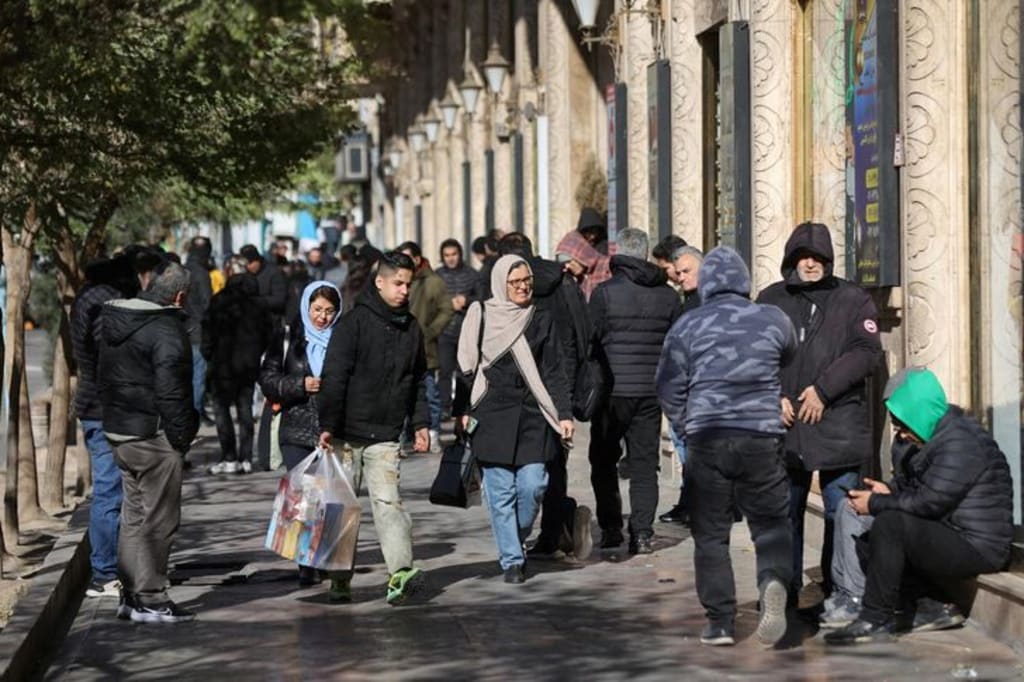
Protests driven by severe economic distress have spread across Iran, turning deadly as at least seven people have been reported killed during clashes between demonstrators and security forces. What began as localized demonstrations over rising prices and currency collapse has evolved into a broader expression of public frustration, extending beyond major cities into smaller towns and rural provinces.
The unrest highlights the growing pressure faced by ordinary Iranians struggling with inflation, unemployment, and declining living standards—issues that have intensified amid ongoing economic mismanagement and international sanctions.
The Economic Crisis Behind the Protests
At the heart of the protests lies Iran’s deepening economic crisis. The national currency, the rial, has lost significant value, making imported goods and basic necessities increasingly unaffordable. Inflation has surged, eroding purchasing power and placing immense strain on households already grappling with stagnant wages.
Food prices, housing costs, and fuel expenses have all risen sharply, pushing many families toward financial insecurity. Small business owners, laborers, and young people have been particularly affected, with many expressing frustration over shrinking job opportunities and the inability to plan for the future.
These economic pressures have sparked widespread anger, transforming everyday grievances into public demonstrations.
Protests Spread Beyond Major Cities
While initial protests were concentrated in urban centers, they have since spread to multiple provinces, including regions traditionally less associated with large-scale unrest. Cities and towns in western and central Iran have witnessed street demonstrations, road blockages, and confrontations with security forces.
In some areas, protesters reportedly set fires or damaged property, while security forces responded with tear gas, arrests, and, in some cases, live ammunition. The spread of unrest into smaller communities suggests that economic hardship is not confined to metropolitan areas but is affecting the country at every level.
Fatalities and Clashes With Security Forces
Reports indicate that at least seven people have been killed, including protesters and members of Iran’s security forces. The deaths occurred amid intense clashes, with conflicting accounts over how the violence unfolded. Activists claim some protesters were shot, while authorities maintain that security forces acted to restore order amid escalating unrest.
The fatalities have heightened tensions and drawn criticism from human rights groups, who warn that the use of force risks further inflaming public anger. Arrests have also been reported, with officials detaining demonstrators accused of vandalism or inciting unrest.
Government Response and Official Messaging
Iranian officials have acknowledged the economic roots of the protests while framing the unrest as being influenced by outside actors. Authorities have emphasized the need to maintain stability and have urged citizens to express grievances through legal channels rather than street demonstrations.
At the same time, some officials have hinted at economic reforms, including changes to fiscal policy and leadership within key financial institutions. However, critics argue that past promises of reform have failed to bring meaningful relief, fueling skepticism among protesters.
State media coverage of the demonstrations has been limited, a pattern seen during previous waves of unrest, contributing to uncertainty and reliance on social media for information.
Echoes of Past Protests
Although primarily driven by economic grievances, the current protests echo earlier moments of unrest in Iran’s recent history. Previous demonstrations—sparked by fuel price hikes, political grievances, and social issues—revealed deep-rooted dissatisfaction within Iranian society.
What distinguishes the current wave is its economic urgency. Many protesters appear motivated less by ideological demands and more by immediate survival concerns, highlighting the severity of the financial pressures facing ordinary citizens.
Public Sentiment and Social Media
Videos circulating online show crowds chanting slogans focused on inflation, unemployment, and government accountability. These images suggest that the protests are largely grassroots in nature, involving citizens from diverse backgrounds united by shared economic hardship.
Social media has played a crucial role in amplifying voices from areas with limited traditional media coverage, though internet disruptions and restrictions have made information difficult to verify.
What Comes Next for Iran?
The widening protests place Iranian authorities at a crossroads. Addressing economic grievances through meaningful reforms could help ease tensions, but failure to do so risks prolonged instability. Continued reliance on force may suppress demonstrations temporarily, but underlying issues—rising prices, job insecurity, and public distrust—remain unresolved.
International observers are watching closely, particularly as economic unrest intersects with broader regional and geopolitical challenges.
Conclusion
The deaths reported during Iran’s widening economic protests underscore the profound impact of financial hardship on social stability. What began as demonstrations over rising prices has evolved into a broader reflection of public frustration, spreading across cities and provinces alike.
As Iran grapples with inflation, currency decline, and growing public anger, the path forward remains uncertain. Whether authorities choose reform, repression, or dialogue will shape not only the future of the protests but also the country’s long-term economic and social trajectory. For many Iranians, the message is clear: economic survival has become the defining issue of daily life—and silence is no longer an option.
About the Creator
Asad Ali
I'm Asad Ali, a passionate blogger with 3 years of experience creating engaging and informative content across various niches. I specialize in crafting SEO-friendly articles that drive traffic and deliver value to readers.
“We hope they will give us heat”: Bitter winter cold bites for Kyiv’s residents as Russia steps up attacks
Winter in Kyiv has never been kind, but this season carries a sharper edge. As icy winds sweep through the streets and snow settles on damaged rooftops, the cold is no longer just a feature of the weather—it is a constant reminder of a war that shows no sign of easing. With Russia stepping up attacks on critical infrastructure, Kyiv’s residents are enduring long power outages, unreliable heating, and an exhausting routine of adaptation and survival.
By Aqib Hussain6 days ago in The Swamp



Comments
There are no comments for this story
Be the first to respond and start the conversation.