
At Least 20 Killed as US Winter Storm Brings Power Outages and Flight Cancellations
Deadly winter weather sweeps across the United States, leaving communities without power, grounding thousands of flights, and highlighting vulnerabilities in emergency preparedness.
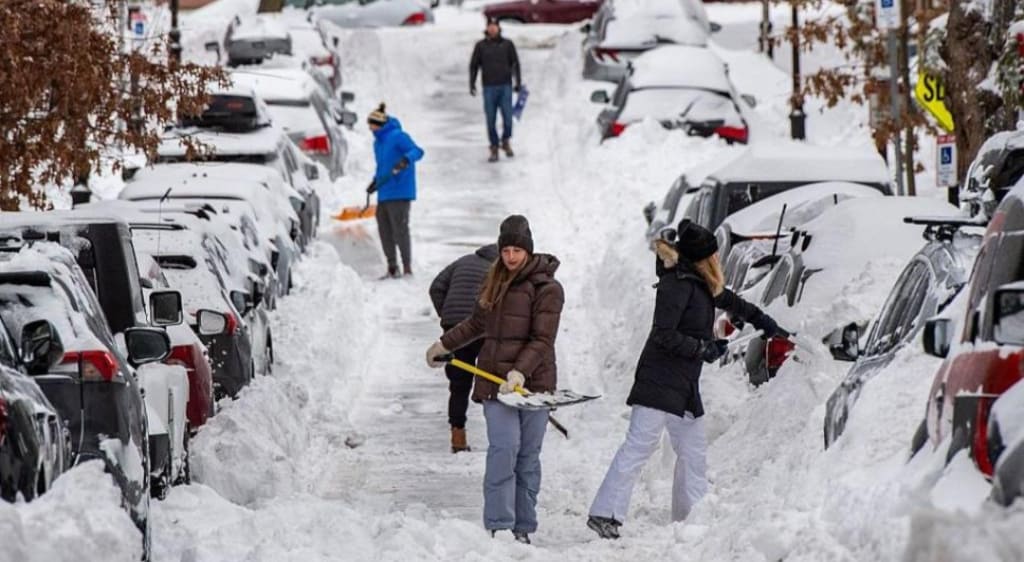
A powerful winter storm sweeping across large parts of the United States has claimed at least 20 lives, leaving millions of people facing power outages, travel chaos, and dangerous conditions. The storm, which brought heavy snow, freezing rain, and bitterly cold temperatures, disrupted daily life and placed enormous strain on infrastructure and emergency services.
Authorities confirmed fatalities linked to car accidents, exposure to extreme cold, and weather-related medical emergencies. As the storm moved from the Midwest toward the Northeast, officials urged residents to remain indoors and avoid unnecessary travel.
For many communities, the storm was not just an inconvenience—it was a life-threatening crisis.
Widespread Power Outages Leave Millions in the Cold
One of the most severe impacts of the storm was the widespread loss of electricity. Strong winds and ice accumulation damaged power lines, leaving hundreds of thousands of households without heat during freezing temperatures.
Utility companies scrambled to restore service, but icy roads and hazardous conditions slowed repair efforts. In some areas, residents reported being without power for more than 24 hours, forcing families to seek shelter with relatives, warming centers, or community halls.
Local governments opened emergency shelters, particularly for vulnerable populations such as the elderly, homeless individuals, and families with young children. The outages highlighted how dependent modern communities are on reliable electricity, especially during extreme weather events.
Travel Chaos as Flights Are Canceled Nationwide
The winter storm also caused massive disruptions to air travel, with thousands of flights canceled or delayed across major airports. Snow-covered runways, poor visibility, and safety concerns grounded planes in cities including Chicago, Denver, New York, and Boston.
Airlines advised passengers to check flight statuses before heading to airports, but many travelers were already stranded. Some spent hours—or even days—waiting for rebooked flights as airlines struggled to manage the backlog.
Road travel proved equally dangerous. Icy highways and whiteout conditions led to numerous accidents, prompting state authorities to close major routes and issue travel bans in certain regions.
Communities Rally to Support One Another
Amid the chaos, stories of community solidarity emerged. Neighbors checked on one another, shared generators, and opened their homes to those without heat. Local restaurants and businesses provided free meals to emergency workers and displaced residents.
In several towns, volunteers organized snow-clearing efforts to help elderly residents reach medical appointments or access essential supplies. Community groups used social media to share information about warming centers, road conditions, and available resources.
These acts of kindness underscored the importance of local support networks during crises, especially when official services are stretched thin.
Emergency Services Under Pressure
Emergency responders faced overwhelming demand as the storm intensified. Ambulance services reported delayed response times due to impassable roads, while hospitals prepared for an influx of patients suffering from hypothermia, falls, and carbon monoxide poisoning caused by improper heating methods.
Authorities repeatedly warned against using generators indoors or relying on unsafe heating alternatives. Despite these warnings, several deaths were linked to exposure and unsafe attempts to stay warm.
State and federal agencies coordinated disaster response efforts, deploying National Guard units in some areas to assist with rescue operations and logistics.
Climate Change and the Frequency of Extreme Weather
While winter storms are not uncommon in the United States, scientists warn that climate change is increasing the intensity and unpredictability of extreme weather events. Rapid temperature fluctuations, heavier snowfall, and more severe storms place additional stress on infrastructure that was not designed for such extremes.
Experts argue that communities must adapt by investing in more resilient power grids, improved emergency planning, and better public communication strategies. The storm serves as another reminder that preparedness can mean the difference between inconvenience and catastrophe.
Economic and Emotional Toll on Affected Areas
Beyond the immediate dangers, the storm left a lasting economic and emotional impact. Businesses were forced to close, hourly workers lost income, and supply chains experienced delays. Schools across multiple states canceled classes, disrupting education for millions of students.
For families who lost loved ones, the storm’s consequences are deeply personal and irreversible. Mental health professionals emphasized the importance of community support and access to counseling services in the aftermath of such traumatic events.
Lessons in Preparedness and Resilience
As cleanup efforts continue, officials are reviewing emergency response strategies to identify areas for improvement. The storm exposed gaps in communication, infrastructure resilience, and public awareness.
Experts stress that preparation—such as weatherproofing homes, maintaining emergency supplies, and having clear evacuation or shelter plans—can significantly reduce risks. Communities that invested in preparedness programs fared better, experiencing fewer outages and faster recovery times.
Conclusion: A Stark Reminder of Nature’s Power
The deadly winter storm that swept across the United States serves as a sobering reminder of nature’s power and the fragility of modern systems. With at least 20 lives lost, millions without power, and travel paralyzed, the storm revealed both the vulnerabilities and strengths of affected communities.
While the damage is significant, the response also showcased resilience, compassion, and cooperation at the local level. As extreme weather events become more frequent, these qualities—along with better planning and infrastructure—will be essential in protecting lives and keeping communities safe.
About the Creator
Keep reading
More stories from Aarif Lashari and writers in The Swamp and other communities.
“I Took a 25% Pay Cut to Dodge the £100k Tax Trap”
The Costly Tax Threshold For many high-earning professionals, navigating the UK tax system can be a minefield. One taxpayer recently revealed a bold decision: taking a 25% pay cut to avoid exceeding the £100,000 income threshold, which triggers a higher tax rate and reduces personal allowances. This move highlights how tax thresholds can influence life-changing financial decisions, sometimes in unexpected ways. The £100,000 mark in the UK tax code is a notorious tipping point. Once income exceeds this threshold, personal allowance is gradually withdrawn, effectively increasing the marginal tax rate and making each additional pound earned less worthwhile. For some, it’s more financially prudent to earn slightly less to maintain a better overall net income. Understanding the £100k Tax Trap The so-called “£100k tax trap” works like this: Every individual in the UK has a personal allowance, currently around £12,570, which is the portion of income not subject to tax. When income exceeds £100,000, the personal allowance is reduced by £1 for every £2 earned over the threshold. Effectively, the marginal tax rate in this range can reach 60%, considering income tax and national insurance combined. This creates a unique dilemma for high earners: earning more can actually leave less money in your pocket once the allowance is withdrawn. A 25% Pay Cut by Choice The worker in question—who requested anonymity—decided to reduce their salary by a quarter to remain below the £100,000 threshold. "It wasn’t an easy decision," they explained. "But I realised that by earning more, I’d actually lose a significant portion to taxes. Cutting my pay meant I kept more of what I earned overall and avoided the financial penalty." This choice highlights a surprising truth: sometimes less is more in a tax system with abrupt thresholds. By voluntarily reducing income, the individual maximized their net take-home pay and minimized exposure to the punitive tax band. The Human Side of Tax Planning While tax planning is often seen as a dry or technical topic, stories like this demonstrate the real-world impact on people’s lives and choices. Workers don’t make decisions solely based on ambition—they also consider financial stability, lifestyle, and the consequences of higher taxation. Choosing a pay cut may come with sacrifices, such as reduced retirement contributions, smaller bonuses, or lower savings capacity. Yet, for many, it is a calculated trade-off: keeping more of what they earn now versus chasing a gross figure that results in disproportionately higher taxes. How Common Is This Decision? High earners navigating the UK tax system often face this dilemma. Financial advisors report that the £100k threshold causes some professionals to: Delay promotions or bonus acceptance Reduce overtime or consultancy work Adjust freelance income or dividends It’s not necessarily about greed or mismanagement—it’s about adapting behavior to the system. People naturally respond to incentives, nand a steep marginal tax rate can discourage additional work, even if they are capable of earning more. Experts Weigh In Financial experts note that the £100k threshold is a classic example of a policy-created distortion in behavior. John Matthews, a tax adviser, explained: "This is an example of how the system unintentionally discourages income growth within certain ranges. Taxpayers respond rationally to high marginal rates, sometimes choosing to work less or restructure income to remain below the threshold." Economists argue that such tax cliffs can reduce productivity and distort career decisions. Instead of simply rewarding merit or experience, the system may inadvertently incentivize artificial reductions in income. The Broader Implications The story of taking a pay cut to avoid the £100k trap also raises questions about the fairness and design of tax policy: Are steep marginal rates discouraging growth or ambition? Do such thresholds push workers to make financial decisions that may not align with their career goals? How can policymakers design systems that are fair, predictable, and incentivize work without unintended consequences? The anecdote is a reminder that tax systems are not just numbers—they affect real choices and lifestyles. Individuals respond logically to rules, sometimes in ways policymakers never intended. Lessons for Workers For those approaching high-income thresholds, the key takeaway is planning and awareness: Understand the tax brackets and personal allowances to know when marginal rates spike. Consider net income, not just gross salary, when evaluating promotions, bonuses, or job offers. Explore alternatives such as pension contributions or charitable donations to reduce taxable income legally. Consult a financial adviser to make strategic decisions that maximize take-home pay and long-term benefits. Being proactive can help individuals avoid surprises and make informed career and financial choices. Conclusion The story of an individual taking a 25% pay cut to dodge the £100k tax trap illustrates a striking reality: tax thresholds can influence major life decisions, sometimes in counterintuitive ways. While it may seem unusual to sacrifice income intentionally, the choice is a rational response to a system that penalizes incremental earnings in a specific range. Beyond the individual case, this scenario highlights broader discussions about tax fairness, incentives, and policy design. For workers, it’s a reminder that careful planning and understanding of the tax system can be just as important as career advancement or salary increases. In the end, navigating the £100k tax trap isn’t just about numbers—it’s about strategy, foresight, and balancing ambition with financial sense. For some, earning less can indeed mean taking home more.
By Aarif Lasharia day ago in The Swamp
Israel Bulldozes UNRWA Headquarters in East Jerusalem
Earlier this week, news broke that Israeli forces demolished the United Nations Relief and Works Agency for Palestine Refugees in the Near East (UNRWA) headquarters in East Jerusalem’s Sheikh Jarrah neighborhood. The heavy machinery razed buildings that were once key to UNRWA’s work, sparking international criticism and raising serious questions about the future of humanitarian aid in the region.
By Aqib Hussain7 days ago in The Swamp


Comments
There are no comments for this story
Be the first to respond and start the conversation.