
Israel Bulldozes UNRWA Headquarters in East Jerusalem
What’s happening, why it matters, and what it means for humanitarian aid

Earlier this week, news broke that Israeli forces demolished the United Nations Relief and Works Agency for Palestine Refugees in the Near East (UNRWA) headquarters in East Jerusalem’s Sheikh Jarrah neighborhood. The heavy machinery razed buildings that were once key to UNRWA’s work, sparking international criticism and raising serious questions about the future of humanitarian aid in the region.
Here’s a breakdown of what happened, why it’s significant, and what it could mean going forward.
What Actually Happened
In the early hours of January 20, 2026, Israeli security forces entered the UNRWA compound with bulldozers and demolition crews. Though UNRWA staff hadn’t worked on-site for nearly a year — following Israeli orders to vacate — the demolition destroyed storage rooms, offices, and other facilities.
According to Israeli officials, this was a legal enforcement of a 2024 law that bans UNRWA operations in areas Israel considers sovereign territory. The operation was attended by far-right politicians, who called it a “historic” step in asserting Israeli control.
On the other hand, UNRWA and international observers see it differently: as a violation of international law, the inviolability of UN premises, and a dangerous precedent that could threaten other humanitarian organizations.
Why Israel Did It
Israel has long accused UNRWA of connections to groups like Hamas — allegations that UNRWA denies. The 2024 law effectively forced UNRWA to close its facilities in East Jerusalem. Supporters of the move argue that it’s about national security and sovereignty. Critics, however, say it undermines essential humanitarian work for millions of Palestinians.
UNRWA and International Response
UNRWA’s Commissioner-General, Philippe Lazzarini, called the demolition “unprecedented” and warned that it could set a troubling example for other UN operations worldwide. UN Secretary-General António Guterres condemned the action as “wholly unacceptable,” urging Israel to restore the premises to UN control.
International law experts note that UNRWA buildings are supposed to be immune from interference. Many observers say the demolition may violate Israel’s obligations under international law and potentially exacerbate tensions in the region.
The Humanitarian Impact
UNRWA was created in 1949 to support Palestinian refugees across the Middle East, providing education, healthcare, food assistance, and infrastructure support. The East Jerusalem headquarters helped coordinate these efforts locally and regionally.
With the buildings destroyed, UNRWA’s operations face disruptions, potentially leaving thousands without access to essential services. Humanitarian groups warn that this could worsen an already fragile situation, especially given recent conflicts in Gaza and rising displacement.
Political and Diplomatic Fallout
The demolition is also a political flashpoint. Palestinians see it as an attempt to weaken their institutional presence in East Jerusalem, while many international actors view it as a challenge to global norms and humanitarian protections.
Reactions are mixed globally. Some governments have expressed serious concern, while UN officials and human rights organizations have urged Israel to respect international law and protect civilian infrastructure.
Why This Matters
The bulldozing of UNRWA’s headquarters is more than a property dispute. It highlights the tense intersection of law, politics, and humanitarian aid in one of the world’s most complex conflicts. For Palestinians, it threatens access to vital services. For Israel, it’s framed as enforcing sovereignty. For the international community, it raises urgent questions about the protection of aid organizations and the rule of international law.
Bottom Line
This event marks a significant moment in the Israel-Palestine conflict. Whether viewed as a legal enforcement or an international violation, the demolition of UNRWA’s headquarters could have lasting impacts on humanitarian aid, diplomatic relations, and peace efforts in the region.
It’s a stark reminder that, in areas of conflict, the lines between politics, law, and humanitarian work are often blurred — and the stakes for ordinary people are very real.
About the Creator
Keep reading
More stories from Aqib Hussain and writers in The Swamp and other communities.
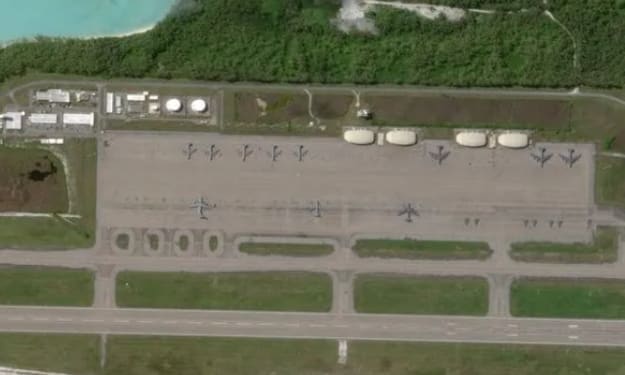
Satellite Images of the Secretive US Military Base at the Center of a New Trump Controversy
In a world where satellites can capture images from thousands of miles above Earth, secrecy is harder to maintain than ever. Recently, satellite images of a highly secretive U.S. military base have reignited global debate—this time placing former U.S. President Donald Trump at the center of a new political and geopolitical controversy.
By Aqib Hussainabout 12 hours ago in The Swamp
Fields of Fetor and Destruction
“Fields of Fetor and Destruction” is a phrase that evokes more than physical devastation. It speaks of landscapes scarred by neglect, conflict, pollution, and human indifference, where once-fertile ground now bears the stench of decay and the visible marks of ruin. Across the world, such fields exist not only as geographic locations but as symbols of deeper moral and environmental failure.
By Aarif Lashari6 days ago in The Swamp
How AI-Powered CRM Meets Rising Customer Expectations with Proactive Service
As businesses face increasingly sophisticated customer demands, Artificial Intelligence (AI) is transforming how companies interact with clients. AI-powered Customer Relationship Management (CRM) systems are no longer just tools for tracking sales—they are now vital for delivering proactive, personalized, and timely customer experiences that meet modern expectations.
By Aarif Lashariabout 14 hours ago in The Swamp



Comments
There are no comments for this story
Be the first to respond and start the conversation.