
“I Took a 25% Pay Cut to Dodge the £100k Tax Trap”
“How One Worker Sacrificed Earnings to Avoid a Costly Tax Threshold—and What It Reveals About the System”
The Costly Tax Threshold
For many high-earning professionals, navigating the UK tax system can be a minefield. One taxpayer recently revealed a bold decision: taking a 25% pay cut to avoid exceeding the £100,000 income threshold, which triggers a higher tax rate and reduces personal allowances. This move highlights how tax thresholds can influence life-changing financial decisions, sometimes in unexpected ways.
The £100,000 mark in the UK tax code is a notorious tipping point. Once income exceeds this threshold, personal allowance is gradually withdrawn, effectively increasing the marginal tax rate and making each additional pound earned less worthwhile. For some, it’s more financially prudent to earn slightly less to maintain a better overall net income.
Understanding the £100k Tax Trap
The so-called “£100k tax trap” works like this:
Every individual in the UK has a personal allowance, currently around £12,570, which is the portion of income not subject to tax.
When income exceeds £100,000, the personal allowance is reduced by £1 for every £2 earned over the threshold.
Effectively, the marginal tax rate in this range can reach 60%, considering income tax and national insurance combined.
This creates a unique dilemma for high earners: earning more can actually leave less money in your pocket once the allowance is withdrawn.
A 25% Pay Cut by Choice
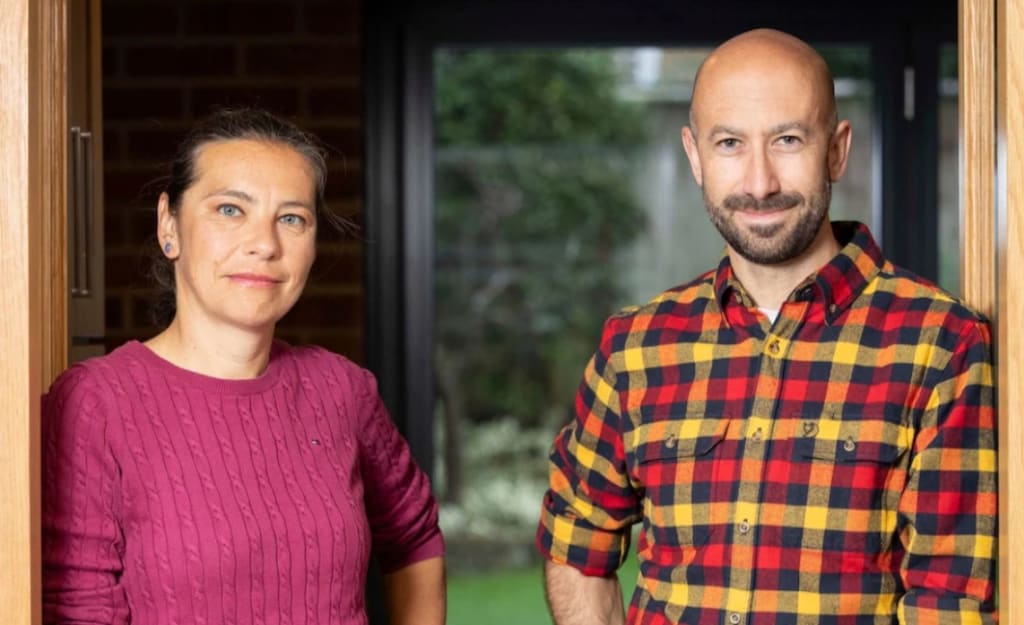
The worker in question—who requested anonymity—decided to reduce their salary by a quarter to remain below the £100,000 threshold.
"It wasn’t an easy decision," they explained. "But I realised that by earning more, I’d actually lose a significant portion to taxes. Cutting my pay meant I kept more of what I earned overall and avoided the financial penalty."
This choice highlights a surprising truth: sometimes less is more in a tax system with abrupt thresholds. By voluntarily reducing income, the individual maximized their net take-home pay and minimized exposure to the punitive tax band.
The Human Side of Tax Planning
While tax planning is often seen as a dry or technical topic, stories like this demonstrate the real-world impact on people’s lives and choices. Workers don’t make decisions solely based on ambition—they also consider financial stability, lifestyle, and the consequences of higher taxation.
Choosing a pay cut may come with sacrifices, such as reduced retirement contributions, smaller bonuses, or lower savings capacity. Yet, for many, it is a calculated trade-off: keeping more of what they earn now versus chasing a gross figure that results in disproportionately higher taxes.
How Common Is This Decision?
High earners navigating the UK tax system often face this dilemma. Financial advisors report that the £100k threshold causes some professionals to:
Delay promotions or bonus acceptance
Reduce overtime or consultancy work
Adjust freelance income or dividends
It’s not necessarily about greed or mismanagement—it’s about adapting behavior to the system. People naturally respond to incentives, nand a steep marginal tax rate can discourage additional work, even if they are capable of earning more.
Experts Weigh In
Financial experts note that the £100k threshold is a classic example of a policy-created distortion in behavior.
John Matthews, a tax adviser, explained:
"This is an example of how the system unintentionally discourages income growth within certain ranges. Taxpayers respond rationally to high marginal rates, sometimes choosing to work less or restructure income to remain below the threshold."
Economists argue that such tax cliffs can reduce productivity and distort career decisions. Instead of simply rewarding merit or experience, the system may inadvertently incentivize artificial reductions in income.
The Broader Implications
The story of taking a pay cut to avoid the £100k trap also raises questions about the fairness and design of tax policy:
Are steep marginal rates discouraging growth or ambition?
Do such thresholds push workers to make financial decisions that may not align with their career goals?
How can policymakers design systems that are fair, predictable, and incentivize work without unintended consequences?
The anecdote is a reminder that tax systems are not just numbers—they affect real choices and lifestyles. Individuals respond logically to rules, sometimes in ways policymakers never intended.
Lessons for Workers
For those approaching high-income thresholds, the key takeaway is planning and awareness:
Understand the tax brackets and personal allowances to know when marginal rates spike.
Consider net income, not just gross salary, when evaluating promotions, bonuses, or job offers.
Explore alternatives such as pension contributions or charitable donations to reduce taxable income legally.
Consult a financial adviser to make strategic decisions that maximize take-home pay and long-term benefits.
Being proactive can help individuals avoid surprises and make informed career and financial choices.
Conclusion
The story of an individual taking a 25% pay cut to dodge the £100k tax trap illustrates a striking reality: tax thresholds can influence major life decisions, sometimes in counterintuitive ways. While it may seem unusual to sacrifice income intentionally, the choice is a rational response to a system that penalizes incremental earnings in a specific range.
Beyond the individual case, this scenario highlights broader discussions about tax fairness, incentives, and policy design. For workers, it’s a reminder that careful planning and understanding of the tax system can be just as important as career advancement or salary increases.
In the end, navigating the £100k tax trap isn’t just about numbers—it’s about strategy, foresight, and balancing ambition with financial sense. For some, earning less can indeed mean taking home more.
About the Creator
Keep reading
More stories from Aarif Lashari and writers in The Swamp and other communities.
The Traitors Delivers Shock for BBC as Finale Viewing Figures Revealed
A Finale Full of Surprises BBC’s reality hit, The Traitors, has captivated viewers with its blend of psychological strategy, suspense, and high-stakes gameplay. However, the finale of the latest season has sent shockwaves through the network. As the viewing figures were revealed, both fans and industry insiders were surprised by how the numbers compared to expectations. The series had consistently maintained a strong following throughout the season, with audiences eagerly tuning in to see contestants uncover betrayals, form alliances, and compete for the grand prize. The finale, with its tense eliminations and dramatic reveals, promised a climax worthy of the hype—but the ratings tell an intriguing story. The Numbers That Shocked the BBC According to reports, the finale’s live viewing figures were lower than anticipated, despite the show’s popularity. Industry analysts suggest that while the program has a dedicated fanbase, many viewers opted to watch on-demand or via streaming platforms, reflecting a wider shift in how audiences consume television today. Traditional metrics may have contributed to the perceived shock, but when considering total engagement—including streaming figures, social media buzz, and online discussions—the show’s reach was still significant. The finale may have underperformed in classic live viewership but overperformed in audience engagement, a metric increasingly important for networks like the BBC. What Makes The Traitors So Compelling? The Traitors isn’t just another reality show. Its format combines strategy, psychological manipulation, and teamwork, keeping contestants and viewers alike on edge. Players must identify traitors, form alliances, and navigate deception to survive eliminations and secure the prize. Fans have praised the show for its intense suspense and unpredictable outcomes. Each episode keeps viewers guessing, and the finale delivered some of the most shocking betrayals of the season. This combination of strategy and drama has made The Traitors a standout in the crowded reality TV landscape. Fan Reactions: Shock, Debate, and Engagement Social media erupted following the finale. Fans expressed their surprise at the outcomes, debated strategies, and speculated about future seasons. Hashtags related to the show trended on Twitter and Instagram, demonstrating that engagement extended far beyond the live broadcast. Online communities dissected every move, shared memes, and even created polls predicting who would betray whom. This level of interaction highlights that the cultural impact of the finale extends far beyond conventional ratings, cementing the show’s status as a social phenomenon. The BBC’s Take on the Finale BBC executives acknowledged that the finale’s live figures were unexpected but emphasized the broader picture of audience engagement. A spokesperson stated: "While live ratings were not as high as projected, the overall digital engagement, streaming numbers, and social media conversations reflect the show’s massive impact. Our audience is watching and participating, which is the ultimate measure of success in today’s media landscape." This perspective underscores a growing trend in television: success is no longer defined solely by live viewership. In the digital era, engagement and conversation are just as crucial as ratings. Comparing to Previous Seasons When compared to prior seasons, the finale’s live numbers were slightly lower. However, the show’s reach across platforms remains robust. Viewers increasingly prefer on-demand viewing, allowing them to watch at their convenience. Experts argue that the shock for the BBC was less about the show’s popularity and more about outdated expectations tied to traditional measurement methods. Even with lower live ratings, the show continues to dominate online conversations and fan communities. Lessons for Reality TV The finale of The Traitors serves as a reminder that television success is evolving. Networks must consider streaming, social media interaction, and multi-platform engagement when assessing a program’s impact. The series demonstrates that having a highly invested and active fanbase can be more valuable than traditional live ratings alone. Reality shows thrive when audiences participate in discussions, share content online, and become part of a larger community experience. What’s Next for The Traitors? Speculation about a new season is already widespread. The finale’s dramatic conclusion set the stage for future installments, potential spin-offs, or international adaptations. Fans are eager for new twists and higher stakes, and the BBC has indicated that the show’s next season will aim to keep audiences captivated. Producers have hinted at even more elaborate challenges and unexpected betrayals, promising to build on the suspense and engagement that have defined the series so far. Conclusion The Traitors has once again proven that ratings alone don’t tell the full story. While live viewing figures for the finale may have shocked the BBC, the show’s cultural impact, fan engagement, and digital reach remain strong. In an age where viewers consume content across multiple platforms, success is measured not just by numbers but by how deeply a program connects with its audience. The Traitors has captivated, entertained, and sparked conversation, solidifying its place as a reality show that transcends traditional metrics. For fans, the finale was unforgettable. For the BBC, it’s a lesson in adapting to modern viewership habits. And for the reality TV landscape, it reaffirms one key truth: engaged audiences are the ultimate measure of success.
By Aarif Lasharia day ago in The Swamp
Care Home Playgroup Brings “Tears of Joy”: How Intergenerational Connections are Transforming Lives
In the heart of Nottingham and its surrounding areas, a simple yet profoundly touching initiative is drawing smiles — and “tears of joy” — from people of all ages. The Bits and Bobs Baby Playgroup, a free weekly gathering where parents and their young children visit local care homes, has become much more than a play session. It’s now a cherished tradition that bridges generations, fosters human connection, and nurtures emotional wellbeing in ways many had not expected. �
By Ayesha Lasharia day ago in The Swamp




Comments
There are no comments for this story
Be the first to respond and start the conversation.