
Asda Chairman Allan Leighton Has Struggled to Rebuild the Supermarket’s Market Share
Why Asda Chairman Allan Leighton is struggling to reclaim market share in a fiercely competitive UK supermarket sector

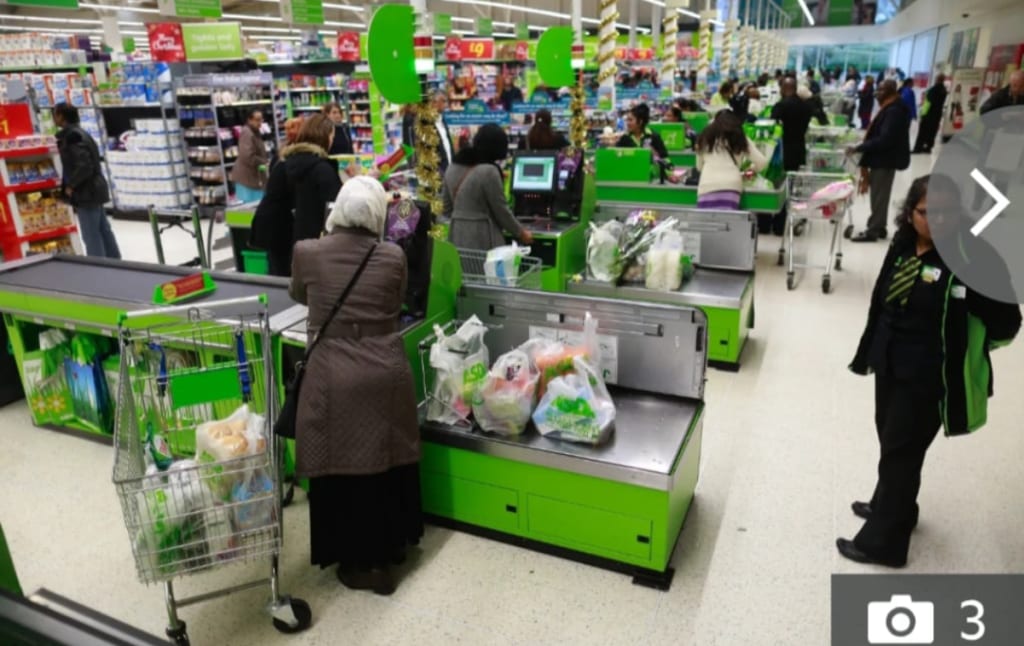
Asda, one of the UK’s largest supermarket chains, has long been a household name, known for its value-driven approach and wide product range. Yet in recent years, the retailer has faced intense competition from rivals like Tesco, Sainsbury’s, Aldi, and Lidl. In this challenging environment, Asda Chairman Allan Leighton has tried to steer the supermarket back to growth, but the path has proven far from smooth.
Despite his extensive experience in retail and a track record of leadership at companies like Royal Mail and Boots, Leighton has encountered significant obstacles in rebuilding Asda’s market share. From changing consumer habits to supply chain pressures and the rise of discounters, the challenges have been as structural as they are competitive.
The Context: A Tough Retail Landscape
The UK grocery market has undergone rapid transformation in the past decade. Discounters such as Aldi and Lidl have grown exponentially, appealing to budget-conscious consumers who are increasingly price-sensitive. Meanwhile, Tesco and Sainsbury’s have invested heavily in online shopping and loyalty programs, forcing competitors to catch up.
For Asda, these shifts have meant that traditional value-focused strategies are no longer enough. The retailer has had to rethink its approach to pricing, product ranges, online presence, and customer engagement, all while navigating the operational complexities of running hundreds of stores nationwide.
Allan Leighton’s Leadership Approach
Allan Leighton is widely respected for his transformational leadership style. Known for hands-on management and a focus on customer experience, he has attempted to reinvigorate Asda’s brand and modernize operations.
Some of the key initiatives under Leighton’s tenure include:
Digital transformation: Expanding Asda’s online grocery platform to compete with Tesco and Amazon.
Store modernization: Updating physical stores to improve shopping experiences and convenience.
Product diversification: Introducing new ranges, including healthier options and premium products.
Pricing strategy adjustments: Attempting to balance value for money with profitability.
While these moves align with industry trends, they have yet to deliver a significant boost in market share, raising questions about the challenges facing established supermarkets in a fiercely competitive environment.
Challenges in Rebuilding Market Share
Several factors have made Leighton’s task particularly difficult:
1. Rising Competition from Discounters
Aldi and Lidl have captured a growing slice of the grocery market by offering lower prices without sacrificing quality. Asda, traditionally seen as a low-cost retailer, has found it difficult to maintain price leadership while also investing in store improvements and digital services.
2. Shifts in Consumer Behavior
The rise of online shopping, subscription services, and convenience-based purchases has reshaped how Britons buy groceries. While Asda has invested in e-commerce, consumer habits are evolving faster than some traditional retail models can adapt.
3. Operational Pressures
Running hundreds of stores with large supply chains requires enormous efficiency. Labour shortages, rising wages, and logistics issues have all increased operational costs, limiting the ability to compete solely on price.
4. Brand Perception
Asda has historically been associated with value, but the brand has sometimes struggled to differentiate itself in a crowded market. Tesco emphasizes quality and convenience, Aldi emphasizes low prices, and Lidl emphasizes both. Asda’s position has been harder to define clearly, which affects customer loyalty and market share.
Efforts to Adapt
Despite these hurdles, Leighton and the Asda leadership team have pursued multiple strategies to regain momentum:
Strengthening online presence: Partnering with tech platforms and improving delivery infrastructure to meet growing e-commerce demand.
Promoting sustainability: Responding to consumer demand for eco-friendly products and packaging.
Expanding product ranges: Including own-brand innovations and healthier options to appeal to evolving tastes.
Store refurbishments: Modernizing stores to enhance the shopping experience and compete with rivals.
While these initiatives are promising, the impact on market share has been slower than anticipated. Analysts note that the supermarket industry is increasingly dominated by competitors who can execute nimble, focused strategies at scale, making recovery difficult for larger, more established chains.
The Broader Implications for UK Retail
Leighton’s struggle reflects a wider challenge in UK retail: how to maintain growth and relevance in a market where consumer expectations are constantly shifting, and new competitors can emerge rapidly. For established supermarkets like Asda, success requires not just leadership and investment but also strategic agility and clear differentiation.
Moreover, the case highlights the importance of balancing cost efficiency with innovation. While discounters succeed by cutting costs and simplifying offerings, full-service supermarkets like Asda must also provide quality, convenience, and a compelling brand story—without losing their traditional value appeal.
Looking Ahead
Leighton’s leadership shows that even experienced executives face formidable obstacles in modern retail. While he has taken steps to modernize operations and respond to consumer trends, regaining market share will require continuous adaptation, customer focus, and strategic clarity.
Experts suggest that Asda may need to:
Further differentiate its brand from competitors.
Leverage technology and data to understand and anticipate consumer preferences.
Innovate in both store formats and product offerings.
Maintain operational efficiency while investing in long-term growth initiatives.
In other words, rebuilding market share is not just about price or convenience—it’s about creating a holistic, customer-centric experience that sets the supermarket apart in a highly competitive market.
Conclusion
Allan Leighton’s tenure at Asda underscores the complexity of reviving a major retail brand in the UK today. Market share is not easily won or regained, especially with changing consumer behavior, intense competition from discounters, and operational pressures.
While Leighton has implemented strategies to modernize Asda and improve customer experience, results have been gradual, reflecting the broader challenges faced by established supermarkets.
For Asda, the journey to reclaim market share is ongoing. Success will require innovation, agility, and a clear value proposition—elements that Leighton has been striving to implement. Whether the supermarket can reverse its recent declines remains a closely watched question for the UK retail sector, investors, and consumers alike.
In the end, Asda’s story is a reminder that even in industries with strong legacy brands, leadership alone is never enough; adaptation to evolving markets and consumer preferences is crucial for sustained success
About the Creator
Muhammad Hassan
Muhammad Hassan | Content writer with 2 years of experience crafting engaging articles on world news, current affairs, and trending topics. I simplify complex stories to keep readers informed and connected.
Keep reading
More stories from Muhammad Hassan and writers in The Swamp and other communities.
How Much Do You Need in an ISA for a Passive Income That Beats the State Pension
For many Britons, the State Pension provides a modest, steady income in retirement. As of 2026, the full State Pension is around £203.85 per week, or roughly £10,600 per year. While it offers a financial foundation, for most retirees it’s not enough to maintain the lifestyle they want. This has led many people to explore Individual Savings Accounts (ISAs) as a vehicle for generating passive income that exceeds the State Pension.
By Muhammad Hassana day ago in The Swamp
Winter Storm Warning Issued as Up to 55 Inches of Snow Could Fall and Overwhelm Roads and Rail Networks
Residents across parts of the northern United States are bracing for a record-breaking winter storm that meteorologists say could dump up to 55 inches of snow in some areas. Authorities have issued urgent winter storm warnings, cautioning the public that roads, rail networks, and essential services could be severely disrupted over the coming days.
By Aarif Lashariabout 14 hours ago in The Swamp
How, Too
Many people wonder how, too. You are not alone, and I am an expert. I will teach you how, too! First, you need to remit a small application fee and fill out an application describing the nature of your financial situation and how often payments will be made, as this will have great bearing on how well I teach you how, too.
By Harper Lewis4 days ago in Fiction




Comments
There are no comments for this story
Be the first to respond and start the conversation.