
Winter Storm Warning Issued as Up to 55 Inches of Snow Could Fall and Overwhelm Roads and Rail Networks
A Massive Snowstorm Threatens Roads, Railways, and Daily Life Across Northern Regions
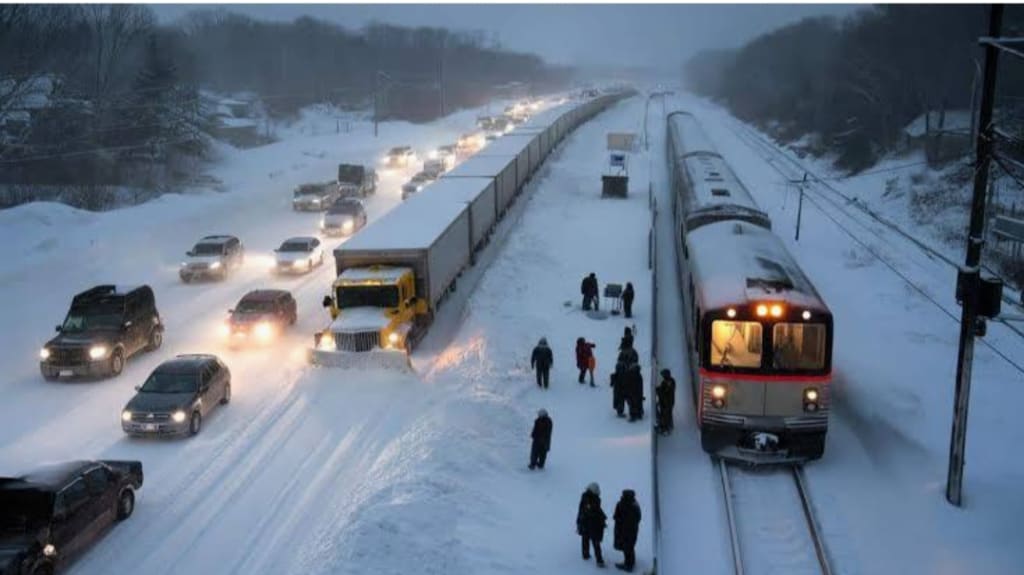
Residents across parts of the northern United States are bracing for a record-breaking winter storm that meteorologists say could dump up to 55 inches of snow in some areas. Authorities have issued urgent winter storm warnings, cautioning the public that roads, rail networks, and essential services could be severely disrupted over the coming days.
A Storm of Historic Proportions
The National Weather Service has warned that this storm system could rival some of the most severe snowstorms in recent history. High winds, frigid temperatures, and heavy snow accumulation combine to create a potentially dangerous situation for travelers and residents alike. In some regions, snowfall rates could reach 2 to 4 inches per hour, quickly overwhelming road crews and rail operations.
Officials emphasize that even a few hours of unprepared travel could be life-threatening. Public safety campaigns urge people to stay indoors and avoid unnecessary trips until conditions improve.
Regions Most at Risk
Forecasters have identified several areas expected to receive the heaviest snow. These include northern New England, the Midwest, and the Great Lakes region, where historical winter storms have already tested infrastructure in past years.
Urban centers and suburban areas could see major traffic gridlocks, while rural regions might experience complete isolation if snow drifts block highways or secondary roads. Rail services are also at risk, with reports suggesting that delays, cancellations, and stranded trains are likely unless preventive measures are taken immediately.
Impacts on Roads
Authorities warn that roads could become impassable in certain regions, particularly secondary highways and smaller streets. Snow plows and salt trucks will be working continuously, but meteorologists stress that the storm’s intensity could outpace their efforts, leading to hazardous driving conditions.
Officials recommend that drivers:
Avoid travel unless absolutely necessary
Keep emergency kits in vehicles
Maintain a full tank of gas and charged phones
Drive slowly and use winter tires if travel is unavoidable
Even experienced drivers may find the roads treacherous due to blinding snow, drifting, and ice.
Rail Network Disruptions
Rail operators are already issuing warnings to passengers, as tracks may become buried under heavy snow or blocked by ice accumulation. Freight trains could face delays, impacting supply chains for essential goods. Commuter rail services are particularly vulnerable in urban areas, where even a few inches of snow can disrupt schedules.
Some rail lines may implement temporary shutdowns or reduced schedules until crews can safely clear the tracks. Travelers are urged to check service alerts before attempting trips and to prepare for cancellations or extended delays.
Emergency Preparedness Tips
With such a potentially massive storm on the horizon, local authorities and emergency services have emphasized the importance of preparation. Key recommendations include:
Stock up on essentials: Food, water, medicine, and heating supplies
Secure property: Clear gutters, reinforce windows, and inspect heating systems
Check on neighbors: Particularly elderly or vulnerable residents
Stay informed: Follow local news, National Weather Service alerts, and emergency broadcasts
Have a communication plan: Ensure family members know how to reach each other if phone lines fail
Communities are activating emergency shelters for those who may lose heat or electricity during the storm.
Power Outages Are Likely
With heavy snow and strong winds, utility companies warn of potential power outages. Snow-laden tree branches can fall onto power lines, causing widespread disruptions. Residents are advised to have backup heating sources, flashlights, batteries, and alternative communication options ready.
Officials remind the public not to use generators indoors or in enclosed spaces due to the risk of carbon monoxide poisoning.
Schools and Businesses
Several school districts have already announced closures or remote learning plans, and some businesses are considering work-from-home measures to reduce commuting risks. Public transport may run on limited schedules, and airports could experience flight delays or cancellations due to snow accumulation and poor visibility.
These measures aim to keep people safe and prevent accidents, but they also highlight the economic and social disruption a storm of this magnitude can cause.
Historical Context
Winter storms of this scale are rare but not unprecedented. For instance, storms in the Great Lakes and New England regions have previously dumped over 50 inches of snow, paralyzing cities and causing millions in damages. This year’s storm is being compared to those historic events, raising concern among emergency planners and the public alike.
Staying Safe During the Storm
The most important step for residents is to stay indoors and limit travel. For those who must venture out, it’s crucial to dress in layers, cover exposed skin, and keep an emergency kit handy. Avoiding unnecessary risk is the key to staying safe.
Emergency services are ready, but their response can be delayed by the storm’s intensity. By heeding warnings and preparing ahead, communities can reduce accidents, injuries, and fatalities.
Final Thoughts
The winter storm warning signals a serious event with potentially devastating consequences for travel, infrastructure, and daily life. Up to 55 inches of snow could immobilize roads, overwhelm rail networks, and disrupt communities across northern and central regions.
Preparation, caution, and attention to official guidance are essential. Residents are urged to stay informed, stock up on essentials, and avoid unnecessary travel. In situations like these, patience and prudence are as important as snow plows and emergency crews.
As the storm approaches, the message from authorities is clear: safety comes first. Communities that prepare wisely and follow guidance will weather the storm more safely and recover more quickly once the snow subsides.
About the Creator
Keep reading
More stories from Aarif Lashari and writers in The Swamp and other communities.
Haunted Visions
Some images never fade. They linger in the corners of the mind, returning uninvited in dreams, reflections, and quiet moments. These are haunted visions—memories, sights, or imaginings that carry emotional weight long after the moment has passed. Whether born from trauma, imagination, history, or fear, haunted visions shape how we see the world and ourselves.
By Aarif Lashariabout 18 hours ago in The Swamp
Asda Chairman Allan Leighton Has Struggled to Rebuild the Supermarket’s Market Share
Asda, one of the UK’s largest supermarket chains, has long been a household name, known for its value-driven approach and wide product range. Yet in recent years, the retailer has faced intense competition from rivals like Tesco, Sainsbury’s, Aldi, and Lidl. In this challenging environment, Asda Chairman Allan Leighton has tried to steer the supermarket back to growth, but the path has proven far from smooth.
By Muhammad Hassana day ago in The Swamp


Comments
There are no comments for this story
Be the first to respond and start the conversation.