
Asbestos Found in Children’s Play Sand Sold in the UK
Parents urged to stop using affected products as regulators investigate contamination
Safety fears grow as investigators uncover traces of the hazardous material in products marketed for young children
Serious safety concerns have emerged in the UK after asbestos was found in children’s play sand sold through retailers and online marketplaces. The discovery has sparked alarm among parents, health experts, and consumer safety groups, raising urgent questions about product testing, regulation, and oversight in the children’s toy and play materials market.
Asbestos, a known carcinogen, was widely banned in the UK decades ago due to its links to lung disease, mesothelioma, and cancer. Its presence in products designed for children has therefore triggered swift calls for recalls, tighter controls, and government intervention.
How the Asbestos Was Discovered
The issue came to light after independent testing of play sand samples revealed microscopic asbestos fibres mixed into the product. The sand, marketed for use in sandpits, sensory play, and early learning activities, was sold as natural, safe, and suitable for children.
Investigators believe the contamination may have occurred during the extraction process, as some sand sources are located near rock formations that naturally contain asbestos. If not properly screened, crushed rock or sand can carry fibres into the final product.
Consumer watchdogs say the findings point to gaps in quality control, particularly for imported products or those sold via third-party online sellers.
Why Asbestos Is So Dangerous
Asbestos is not dangerous when sealed or undisturbed, but in loose, dusty form, its fibres can easily become airborne. When inhaled, the fibres can lodge in the lungs, remaining there for decades and potentially causing severe health conditions later in life.
Children are considered especially vulnerable because:
They breathe faster than adults
Their lungs are still developing
They are more likely to put hands and objects near their mouths
Health experts stress that even low-level exposure is unacceptable in products intended for children, as there is no known safe threshold for asbestos inhalation.
Products and Retailers Under Scrutiny
While authorities have not yet confirmed the full list of affected brands, investigations suggest the contaminated sand was available both online and in physical stores. Some products were sold in plain packaging with minimal information about origin or testing standards.
Retailers involved have begun removing certain items from sale while further testing is conducted. Consumer groups are urging parents to check where and when they purchased play sand and to stop using any products that have not been verified as asbestos-free.
Online marketplaces have also come under criticism for allowing third-party sellers to list children’s products without rigorous safety certification.
Government and Regulatory Response
UK regulators, including Trading Standards and the Office for Product Safety and Standards (OPSS), are investigating how the contaminated products entered the market. Officials say urgent steps are being taken to assess the scale of the problem and determine whether safety regulations were breached.
Under UK law, products intended for children must meet strict safety requirements. If asbestos contamination is confirmed, suppliers could face recalls, fines, or legal action.
The government has reassured the public that asbestos bans remain firmly in place, but campaigners argue that enforcement and monitoring have not kept pace with the rise of online retail and global supply chains.
Advice for Parents and Carers
Health authorities are advising parents not to panic but to take precautionary steps:
Stop using any unverified or recalled play sand
Store suspect sand in sealed bags away from living areas
Avoid dry sweeping, which can spread dust
Wash children’s hands and clothing after play
Parents concerned about potential exposure are encouraged to speak with healthcare professionals, though experts note that short-term exposure does not automatically mean illness.
The main focus, they stress, should be preventing further contact and ensuring contaminated products are removed from circulation.
Wider Questions About Product Safety
The discovery has reignited debate about the safety of children’s products in the UK, particularly those marketed as “natural” or “eco-friendly.” Experts warn that natural materials are not automatically safe and must still undergo rigorous testing.
Consumer advocates are calling for:
Mandatory asbestos testing for all play sand
Clearer labelling of origin and composition
Stronger accountability for online sellers
Faster recall systems
They argue that current systems rely too heavily on manufacturers’ self-certification, leaving room for dangerous oversights.
Industry Reaction
Some suppliers have defended their products, saying they comply with existing standards and that contamination may be limited to specific batches or sources. Others have pledged to strengthen testing and review supply chains.
Industry groups say the incident highlights the challenges of sourcing natural materials safely, but acknowledge that children’s safety must take priority over cost or convenience.
Retailers are under pressure to demonstrate that safety checks are robust and transparent, especially when selling items intended for young children.
Conclusion
The discovery of asbestos in children’s play sand sold in the UK has sent shockwaves through parents and regulators alike. While investigations continue, the incident underscores the importance of rigorous testing, transparent supply chains, and strong enforcement of safety standards.
As authorities work to identify affected products and prevent future contamination, parents are being urged to stay informed and cautious. The episode serves as a stark reminder that even everyday items can pose serious risks if safety systems fail.
Protecting children from hazardous exposure is not optional—it is a fundamental responsibility shared by manufacturers, retailers, regulators, and policymakers.
About the Creator
Keep reading
More stories from Aarif Lashari and writers in The Swamp and other communities.
Russia Launches ‘Brutal’ Attack on Ukraine as Peace Talks Continue
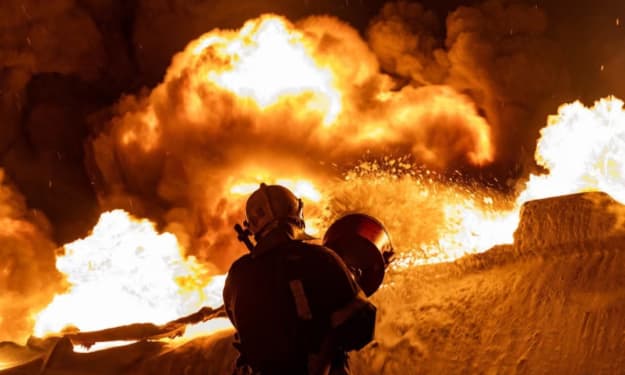
Fresh missile and drone strikes hit Ukrainian cities even as diplomatic efforts to end the war show tentative movement Russia has launched what Ukrainian officials describe as a “brutal” new wave of attacks on Ukraine, targeting key infrastructure and civilian areas, even as peace talks aimed at ending the nearly three-year conflict continue behind closed doors. The escalation has drawn renewed international condemnation and raised serious questions about Moscow’s intentions at a moment when diplomacy was meant to be gaining traction.
By Aarif Lashari3 days ago in The Swamp
Trump Is Pushing the U.S.-Europe Alliance Onto a Precipice
The transatlantic alliance between the United States and Europe has long been one of the most enduring and influential partnerships in modern global politics. Built in the aftermath of World War II, this alliance shaped institutions such as NATO, supported economic integration, and anchored a shared commitment to democratic values. However, under Donald Trump’s political influence and policy direction, this once-stable relationship is increasingly being pushed toward a dangerous tipping point. Trump’s rhetoric, policy decisions, and transactional worldview are straining ties with European allies and raising serious questions about the future of the U.S.-Europe alliance.
By Salaar Jamali7 days ago in The Swamp


Comments
There are no comments for this story
Be the first to respond and start the conversation.