
Russia Launches ‘Brutal’ Attack on Ukraine as Peace Talks Continue
Missile and drone strikes hit civilian areas as diplomacy struggles to gain momentum
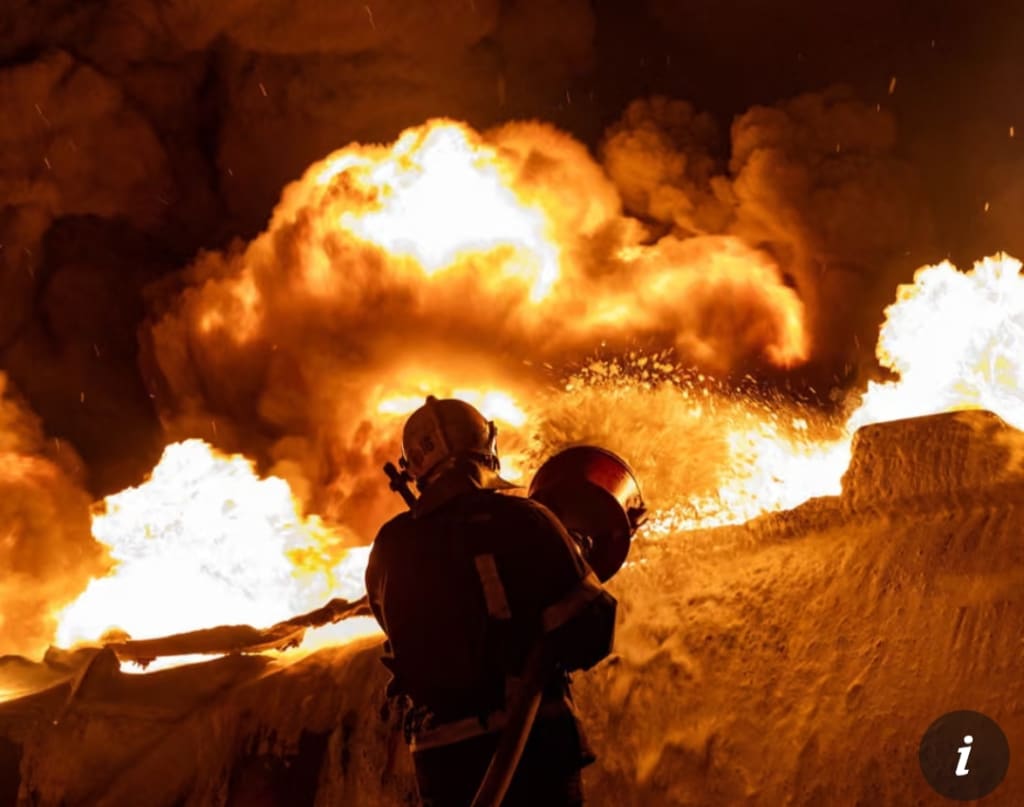
Fresh missile and drone strikes hit Ukrainian cities even as diplomatic efforts to end the war show tentative movement
Russia has launched what Ukrainian officials describe as a “brutal” new wave of attacks on Ukraine, targeting key infrastructure and civilian areas, even as peace talks aimed at ending the nearly three-year conflict continue behind closed doors. The escalation has drawn renewed international condemnation and raised serious questions about Moscow’s intentions at a moment when diplomacy was meant to be gaining traction.
The overnight assaults involved a combination of missiles, drones, and artillery strikes across multiple regions, including areas far from the active front lines. Ukrainian authorities say the attacks killed civilians, damaged homes, and disrupted power and heating supplies during a critical winter period.
Missiles and Drones Target Multiple Regions
According to Ukraine’s air force, Russia launched dozens of drones and missiles in coordinated strikes that stretched from eastern and southern battle zones to central and western parts of the country. Air defence systems intercepted many projectiles, but several strikes got through, causing casualties and significant damage.
Local officials reported explosions in residential neighbourhoods, damage to energy facilities, and fires at industrial sites. Emergency services worked through the night to rescue people trapped under rubble and restore basic services.
President Volodymyr Zelensky said the attacks demonstrated that Russia remains committed to violence despite public claims of openness to negotiation. “These strikes show once again that Russia does not seek peace through words, but through terror,” he said in a statement.
Peace Talks Continue Under a Cloud of Violence
The latest escalation comes as diplomatic channels remain active, with intermediaries attempting to bring Russia and Ukraine closer to a ceasefire or confidence-building measures. While details of the talks remain limited, officials from several countries have confirmed ongoing discussions involving security guarantees, territorial issues, and humanitarian corridors.
Ukraine has repeatedly argued that genuine peace talks cannot proceed while Russia continues large-scale attacks on civilian infrastructure. Kyiv insists that any negotiations must be backed by concrete actions, such as a halt to missile strikes and respect for international law.
Russia, meanwhile, claims its military actions are necessary to protect its interests and maintain pressure on Ukraine during negotiations. Critics say this approach undermines trust and weakens the credibility of any diplomatic progress.
Civilians Bear the Heaviest Cost
As with many previous escalations, civilians have borne the brunt of the violence. Residential buildings, schools, and hospitals have been damaged, according to local authorities. Power outages and heating disruptions have affected thousands of households, compounding hardship during cold weather.
Humanitarian organisations warn that repeated attacks on infrastructure are pushing communities closer to crisis. Displacement continues as families flee areas they no longer consider safe, adding strain to already overstretched social services.
Ukrainian officials accuse Russia of deliberately targeting civilian morale, using winter conditions to amplify suffering. Moscow denies such accusations, maintaining that it strikes only military-related targets.
International Condemnation and Calls for Accountability
The attacks have prompted swift reactions from Western governments and international organisations. Several leaders condemned the strikes as reckless and incompatible with any claim of good-faith negotiation.
The European Union reiterated its support for Ukraine and signalled that further sanctions against Russia remain an option. NATO officials described the attacks as evidence that Moscow is unwilling to de-escalate and warned that continued aggression would only deepen Russia’s international isolation.
The United Nations called for the protection of civilians and urged all parties to recommit to diplomacy. However, diplomats privately acknowledge that repeated cycles of violence have made progress increasingly difficult.
Russia’s Strategic Calculations
Analysts suggest the renewed offensive may be part of a broader strategy by Russia to strengthen its negotiating position. By escalating military pressure, Moscow may hope to extract concessions or signal that it will not accept terms it sees as unfavourable.
Some experts argue the timing of the attacks is intended to test Western resolve and Ukraine’s air defence capacity, while others see it as an attempt to influence domestic and international opinion ahead of key diplomatic milestones.
Yet critics warn that such tactics risk backfiring, reinforcing perceptions of Russia as an unreliable negotiating partner and hardening opposition to any compromise.
Ukraine’s Response and Resilience
Despite the attacks, Ukraine continues to emphasise resilience and resistance. Zelensky praised air defence forces and emergency responders, calling them “the shield that stands between terror and life.”
Ukraine has also renewed calls for additional air defence systems and military aid from allies, arguing that stronger defences are essential not only for survival but for creating conditions where meaningful peace talks can succeed.
Public sentiment within Ukraine remains largely sceptical of negotiations conducted amid ongoing attacks, with many citizens believing that peace without security guarantees would be fragile at best.
What This Means for the Path to Peace
The latest violence underscores the central paradox of the conflict: peace talks continue, but trust remains dangerously low. Each new attack deepens anger, grief, and mistrust, making compromise politically and emotionally harder on all sides.
Diplomats caution that conflicts often see escalations even during negotiations, but acknowledge that sustained attacks on civilians severely undermine the prospects for progress.
For now, the path to peace appears uncertain, shaped by battlefield realities as much as by words spoken at negotiating tables.
Conclusion
Russia’s “brutal” new attack on Ukraine has cast a long shadow over ongoing peace efforts, highlighting the stark gap between diplomatic rhetoric and military reality. As civilians suffer and infrastructure is destroyed, international pressure is mounting for an end to the violence.
Whether talks can survive this latest escalation remains unclear. What is certain is that lasting peace will require not just negotiations, but a genuine commitment to de-escalation and the protection of civilian lives.
About the Creator
Keep reading
More stories from Aarif Lashari and writers in The Swamp and other communities.
Trump Is Pushing the U.S.-Europe Alliance Onto a Precipice
The transatlantic alliance between the United States and Europe has long been one of the most enduring and influential partnerships in modern global politics. Built in the aftermath of World War II, this alliance shaped institutions such as NATO, supported economic integration, and anchored a shared commitment to democratic values. However, under Donald Trump’s political influence and policy direction, this once-stable relationship is increasingly being pushed toward a dangerous tipping point. Trump’s rhetoric, policy decisions, and transactional worldview are straining ties with European allies and raising serious questions about the future of the U.S.-Europe alliance.
By Salaar Jamali7 days ago in The Swamp



Comments
There are no comments for this story
Be the first to respond and start the conversation.