
Arrests Following Violent Incident Outside Asylum Seeker Camp: A Wake-up Call for Immigration Policies and Public Safety
Tensions Escalate as Clashes Erupt in the Vicinity of Asylum Centers – A Deep Dive into the Root Causes and Potential Solutions

In the latest development that has sparked widespread concern, multiple arrests have been made following a violent altercation outside a prominent asylum seeker camp. The incident has drawn attention not only for its immediate chaos but also for the larger, underlying issues that it highlights—ranging from immigration policies to public safety and community integration. This violent confrontation outside the asylum camp, which left several individuals injured, is a stark reminder of the growing tensions in many host countries regarding the handling of asylum seekers and refugees.
A Disturbing Turn of Events
The incident occurred late last week when what initially appeared to be a routine altercation between a group of asylum seekers and local residents escalated into a full-blown riot. Authorities were called to the scene after reports of physical altercations and property damage. According to witnesses, the violence quickly spread across the area, involving dozens of people. The situation was only brought under control after a heavy police presence intervened.
Law enforcement made several arrests, including both asylum seekers and local residents. The arrests have led to questions about the causes of the violence and the effectiveness of current immigration and policing strategies. The authorities are continuing to investigate the events leading up to the clash, and several individuals remain in custody for questioning.
The Larger Context: Immigration, Integration, and Public Perception
This incident, while shocking, is not an isolated case. It is part of a larger trend of rising tensions between asylum seekers and host communities in many parts of the world. The reasons for these tensions are complex and multifaceted, but one of the most significant factors is the perception of threat or competition that local residents often feel toward newcomers, especially those who are seen as taking up resources or changing the demographic makeup of the area.
One of the core issues that fuel these tensions is the way asylum seekers are viewed and treated by the public. Many asylum seekers come from war-torn countries or have experienced severe trauma, and they arrive in their host countries with little more than the clothes on their backs. The resources required to support them—housing, healthcare, education, and social services—are often strained, particularly in areas that are already facing economic or social challenges. When local communities feel that these resources are being stretched thin, resentment can build, creating fertile ground for conflicts such as the one witnessed outside the asylum seeker camp.
Moreover, there is often a lack of effective integration programs for asylum seekers. Without proper support, many individuals struggle to adapt to their new environment, which can lead to social isolation, frustration, and even hostility. This, in turn, can contribute to incidents of violence or unrest, as individuals may feel marginalized or disconnected from the society they are now living in.
The Role of the Media: Shaping Public Opinion
In the age of instant information, the media plays a crucial role in shaping public perceptions of asylum seekers and the incidents that occur around them. News outlets, especially those with a political agenda, can sometimes sensationalize these events, framing asylum seekers as a threat to public safety or as burdening the welfare system. Such portrayals can stoke fear and division, further escalating tensions between asylum seekers and local communities.
On the other hand, media outlets that highlight the human side of the story—focusing on the struggles of asylum seekers and the reasons why they fled their home countries—can help foster empathy and understanding. Balanced media coverage is essential to breaking down stereotypes and promoting constructive dialogue between diverse groups in society.
Political Ramifications and Calls for Reform
The violence outside the asylum seeker camp has reignited discussions about the country's immigration policies and the need for reform. Critics of current policies argue that the process of granting asylum is too slow and inefficient, leaving individuals in limbo for extended periods. During this time, many asylum seekers face uncertainty and insecurity, which can exacerbate mental health issues and contribute to feelings of alienation.
There are also calls for more effective community integration programs. Experts suggest that providing asylum seekers with language classes, job training, and opportunities for social engagement could help mitigate the risk of conflicts. By empowering asylum seekers and helping them integrate more fully into society, host countries can build stronger, more cohesive communities.
At the same time, proponents of stricter immigration policies argue that the number of asylum seekers should be capped to ensure that resources are not overstretched. They argue that the influx of asylum seekers can place undue strain on the country’s economy, social services, and national security. These arguments often find a receptive audience among certain segments of the population, especially those who feel that their own livelihoods are being threatened by the arrival of newcomers.
The Path Forward: Balancing Humanitarian Concerns and Public Safety
The incident outside the asylum seeker camp is a grim reminder that there are no easy answers when it comes to managing the complexities of immigration and asylum. While it is important to uphold the rights of asylum seekers and provide them with the protection they need, it is equally important to ensure that the local communities receiving them are not overwhelmed or placed in harm’s way. Achieving this balance requires thoughtful, well-crafted policies that take into account both the humanitarian needs of asylum seekers and the legitimate concerns of host communities.
Moving forward, governments and policymakers must focus on improving asylum procedures, speeding up the integration process, and fostering better relations between asylum seekers and local residents. Public education campaigns that highlight the positive contributions of refugees and asylum seekers to society, along with practical measures to address resource allocation, can also help ease tensions and build more resilient communitie
About the Creator
Keep reading
More stories from Ayesha Lashari and writers in The Swamp and other communities.
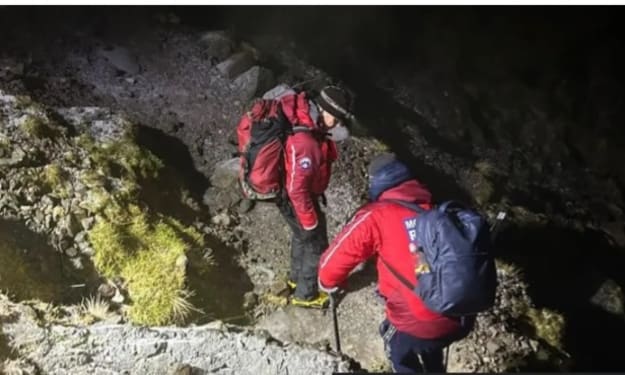
"Rescued Men Still Owe Hotel Bill Three Weeks Later: A Closer Look at the Dilemma
Introduction: Three weeks ago, a group of men were dramatically rescued from a perilous situation, sparking headlines around the world. The men, whose lives were in immediate danger, were saved by a heroic rescue operation, but their struggle didn’t end there. As they started to recover from their traumatic ordeal, they were faced with a financial burden that many had not anticipated: an unpaid hotel bill that had continued to grow during their stay.
By Ayesha Lasharia day ago in The Swamp
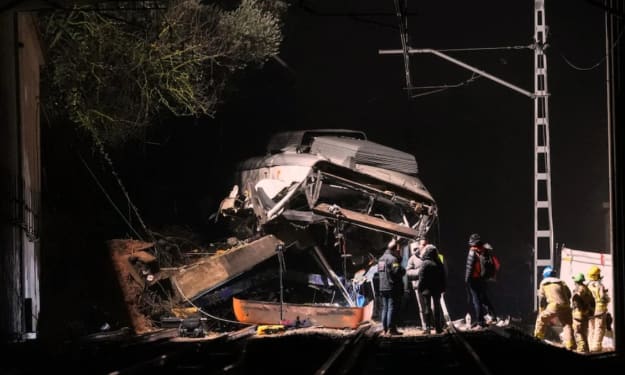
Train Driver Killed and Dozens Injured After Train Derails in Spain
A tragic train derailment in Spain has left the nation in shock after a train driver was killed and dozens of passengers were injured in a serious rail accident. The incident has once again raised urgent questions about railway safety, infrastructure maintenance, and emergency response preparedness in one of Europe’s busiest rail networks.
By Aarif Lashari6 days ago in The Swamp
European Markets Set to Open in Negative Territory as Tariff Uncertainty Lingers
European equity markets are poised to open in negative territory as persistent tariff uncertainty continues to weigh on investor sentiment. With global trade tensions resurfacing and policy signals remaining mixed, market participants across the continent are approaching the trading session with caution. Futures tied to major European indices point to a subdued start, reflecting concerns that unresolved tariff disputes could dampen economic momentum at a time when growth is already fragile.
By Salaar Jamali7 days ago in The Swamp
Affection and Healing for Yourself
During the night of the last quarter moon, I gathered my ritual supplies. I carefully handled the chunk of black tourmaline that would protect me from your overall negative and narcissistic energy. I carefully walked the house with my stick of selenite in hand, asking the universe to cleanse our working space.
By Alisha Wilkins ✒️🦋🖋️7 days ago in Fiction

Comments
There are no comments for this story
Be the first to respond and start the conversation.