

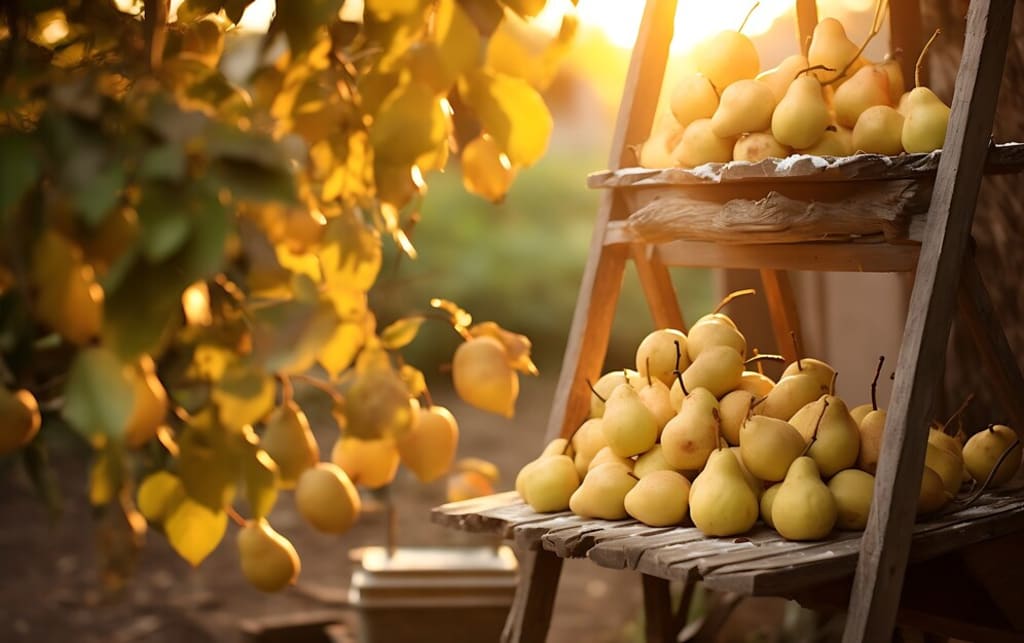
Apricot, a stone fruit, is likely pleasant, sweet, tangy, and wonderful in flavour. This stone fruit, commonly called Armenian plums, is mostly grown in apricot species. Apricots have been cultivated for generations around the world. Apricot farming is widespread in many countries, and the fruit is occasionally harvested from wild regions.
One of the many reasons why apricot farming is popular is the self-sufficiency of apricot plants. They are self-pollinating, which means they do not require a partner for fertilisation. This unique trait makes them a popular fruit in many countries for daily consumption.
The Apricot's scientific name is ‘Prunus armeniaca’, and it is from the Rosaceae family. Apricots are delicious and highly nutritious. They can be eaten raw or grilled in sauces, confectionaries, and jams to boost flavour and colour. If you are one of those people who are planning to grow apricots, this guide will help you with all the information you need for this cultivation.
Top 3 Indian States Where Apricots Grow Well:
Apricot fruit plants are known for their resilience, requiring little water and growing in moderate winters. Here are the top 3 Indian states where this nutritious fruit grows well.
- Ladakh
- Himachal Pradesh
- Jammu & Kashmir
Why Apricots Should Be Your Daily Delight?
Because of their high content of vitamins, minerals, and antioxidant compounds, apricots have been widely known in different cultures for having medicinal nutrition. Let’s briefly overview the primary advantages of apricot.
- Can improve eyesight
- Can control the high blood pressure
- Good for skin
- Supports liver and heart
- Good for the digestive system
- Rich in iron
- Can make bones stronger
- Helps in weight loss
- Rich in fibre
Different Types of Apricot in India:
In India, various types of apricot are available. If you are interested in cultivating apricots, you can check the table below for different apricot varieties.
Different Apricot Types in India
Gold Kist - Rival
Goldcot - Perfection
Blenheim - Autumn Royal
Apricot Production Steps:
In apricot production, various processes are there. Each process is vital for this fruit’s growth, so those who wish to cultivate apricots should pay attention to each of these processes. Here are the various processes of Apricot Cultivation.
Ideal Weather Conditions:
The favourable conditions for apricot growth are cool winters and mild summers. The optimal temperature for this is 0°C to 30°C. This fruit requires full sun exposure for most of the day to photosynthesise and develop fruits. Also, around 500-800 mm of annual rainfall is enough for this fruit cultivation.
Soil Requirements:
Apricots can grow in loamy or sandy loam soil. The soil's pH should range from 6. 0 to 7. 5. The growers should make sure that the soil has adequate drainage so that the plants’ roots do not rot. Soil management is also a critical factor that crops require so that the roots of apricot plants can have adequate oxygen.
Soil Preparation:
Farmers should choose a place with full sun exposure and test the soil for fertility and pH level. They should also remove debris, rocks, and weeds from the land and till the soil is at least 12-18 inches deep.
To till the soil, they can use a Kubota MU4501 Tractor. It has highly advanced Japanese technologies and innovative features. This tractor is an extremely powerful and highly fuel-efficient 45-hp tractor that can handle all farming-related tasks. Kubota tractor 45 hp price is very affordable, so anybody who is planning to cultivate apricots can buy this tractor.
Pest and Disease Control:
Aphids, spider mites, and fruit borers are some of the apricot pests that can damage plants. Farmers should use beneficial insects to control these bugs, or they should use bug spray if necessary. They should also ensure that they are not damaging the beneficial insects. Also, growers should check diseases like brown rot and take necessary steps to prevent it, like chopping some pieces to allow more air to get through.
Harvesting Period:
In Himalayan tracts, the apricot’s harvesting period is usually in late June to mid-July. However, in western ghats regions, these fruits mature in late May to mid-June. In the northern plains, it takes place from late May to the beginning of June for apricot crops. It takes 5 years for the apricot tree to begin bearing fruits, and it can then continue bearing fruits for another 35 years.
Conclusion:
In conclusion, apricots have significant agricultural and nutritional value. This fruit has a distinct flavour and offers dry apricot benefits such as improved eye and digestive health. It is, however, worth noting that apricots, if well taken care of, can be a very fruitful fruit to cultivate. That is why there are certain techniques that allow you to obtain bigger qualitative fruits, which people are willing to purchase in their country or other countries.
About the Creator
Rajendra_Singh
I'm a agriculture blogger, who loves sharing my knowledge about growing things. On my blog, you'll find practical tips and interesting stories to help you get started!
Keep reading
More stories from Rajendra_Singh and writers in The Swamp and other communities.
Kiwi Fruit Farming
Kiwi fruit is quite famous for its vibrant green flesh, unique flavour, and high nutritional content. Because of all these qualities, it has gained immense popularity worldwide. Kiwi is originally from China. This small, sweet and tangy fruit is not just tasty but also rich in nutrients. It offers numerous health benefits. Its high vitamin C content, antioxidants, and fibre make it a must-have in a healthy diet.
By Rajendra_Singh2 years ago in The Swamp



Comments
There are no comments for this story
Be the first to respond and start the conversation.