
America’s World Turned Upside Down: A Nation at a Crossroads
How shifting power, internal divisions, and global challenges are reshaping America’s role in the modern world

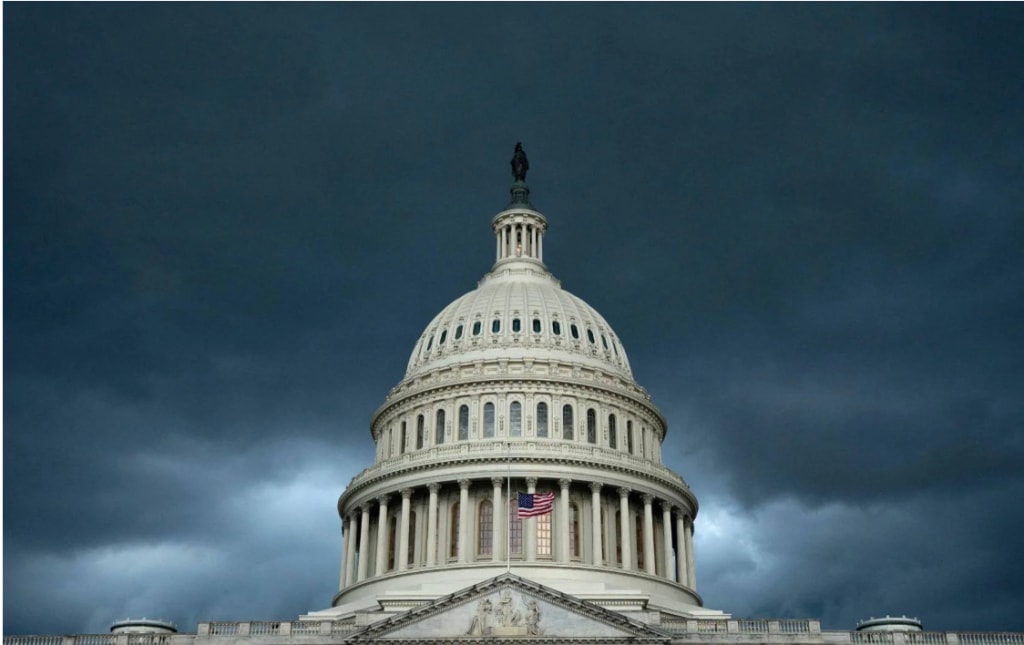
In recent years, the phrase “America’s world turned upside down” has become more than just a dramatic expression — it reflects a deep shift in the country’s political, social, economic, and global standing. Once seen as the uncontested leader of the free world, the United States now faces internal divisions, global challenges, and a rapidly changing international order that has forced it to rethink its role on the world stage.
For decades after World War II, America shaped global politics, trade, and security. Its economy was the strongest, its military unmatched, and its cultural influence spread across continents. Today, however, that dominance is being questioned. From rising global powers to internal political polarization, the world America once led is no longer the same — and neither is America itself.
A Shifting Global Balance
One of the most significant reasons America’s world feels “upside down” is the shift in global power. Countries like China and India have emerged as major economic forces, challenging U.S. dominance in manufacturing, technology, and international influence. China’s expanding role in global trade, infrastructure projects, and diplomacy has created a multipolar world where American leadership is no longer unquestioned.
At the same time, traditional alliances are being tested. NATO faces internal disagreements, U.S.–Europe relations have experienced strains, and long-standing partnerships in the Middle East are being reassessed. The rise of regional powers and independent foreign policies has reduced America’s ability to dictate global outcomes as it once did.
Domestic Divisions at the Core
Perhaps the most visible sign of America’s upside-down reality lies within its own borders. Political polarization has reached historic levels, dividing citizens along ideological, cultural, and economic lines. Elections have become deeply contested, trust in institutions has declined, and debates over democracy, justice, and freedom dominate national discourse.
Social issues such as race relations, immigration, gender identity, and economic inequality continue to fuel intense public debate. For many Americans, the “American Dream” feels increasingly out of reach due to rising living costs, housing shortages, healthcare challenges, and student debt. These pressures have reshaped public opinion and challenged the idea of America as a land of equal opportunity.
Economic Uncertainty and Transformation
Economically, the United States remains powerful, but the system is undergoing major transformation. Inflation, supply chain disruptions, and the impact of global crises—such as pandemics and regional conflicts—have exposed vulnerabilities in the economy. Traditional industries are being replaced or reshaped by automation, artificial intelligence, and digital technologies.
While innovation continues to drive growth, it also creates inequality. Wealth concentration among a small elite contrasts sharply with the struggles of middle- and working-class Americans. This economic imbalance fuels frustration and contributes to political instability, making many citizens feel disconnected from the promises once associated with American prosperity.
America’s Role in a Changing World Order
On the global stage, America is redefining its role amid growing competition and uncertainty. Conflicts in Eastern Europe, tensions in the Indo-Pacific, and shifting alliances in the Middle East have forced the U.S. to balance leadership with restraint. Military power remains significant, but diplomatic influence now faces stronger challenges from emerging global players.
At the same time, global issues such as climate change, cybersecurity, and pandemics require cooperation rather than dominance. America’s ability to lead in these areas depends not just on power, but on credibility, unity, and moral authority—qualities that many believe have been weakened in recent years.
A Nation at a Turning Point
Despite the challenges, America’s story is far from over. History shows that periods of crisis often lead to renewal. The country has repeatedly reinvented itself through reform, resilience, and innovation. Grassroots movements, youth activism, and technological progress offer hope for rebuilding trust and redefining national purpose.
“America’s world turned upside down” is not only a reflection of loss or decline; it is also a moment of reckoning. It forces the nation to confront hard truths about its identity, values, and future direction. Whether this period becomes one of lasting decline or meaningful transformation depends on the choices made today—by leaders and citizens alike.
In this moment of uncertainty, one thing is clear: the world is watching. And how America responds to its challenges will shape not only its own future, but the future of the global order itself
About the Creator
Muhammad Hassan
Muhammad Hassan | Content writer with 2 years of experience crafting engaging articles on world news, current affairs, and trending topics. I simplify complex stories to keep readers informed and connected.
Keep reading
More stories from Muhammad Hassan and writers in The Swamp and other communities.
Happy New Year 2026: 50+ Wishes, Images, Greetings, Messages, WhatsApp and Facebook Status to Share with Loved Ones | Hindustan Times
As the world steps into 2026, people across the globe are ready to welcome a fresh chapter filled with hope, happiness, and new opportunities. New Year’s Day is more than just a date change—it is a celebration of fresh beginnings, renewed dreams, and heartfelt connections with family and friends. Whether you’re welcoming the year with fireworks, prayers, or quiet reflection, sharing warm wishes is one of the most meaningful traditions.
By Muhammad Hassan17 days ago in The Swamp
UK Can Legally Stop “Shadow Fleet” Tankers, Ministers Believe
The UK government believes it has the legal authority to stop and inspect so-called “shadow fleet” oil tankers operating in and around British waters, a move that could significantly tighten enforcement of international sanctions. These vessels, often linked to sanctioned states and opaque ownership structures, have become a growing concern for global maritime security, environmental safety, and the integrity of international law.
By Fiazahmedbrohi 5 days ago in The Swamp



Comments
There are no comments for this story
Be the first to respond and start the conversation.