
Amazon’s AI Push Raises Employee Climate, Layoff Concerns
As Amazon accelerates artificial intelligence adoption, workers worry about job security, workplace culture, and the future of employment

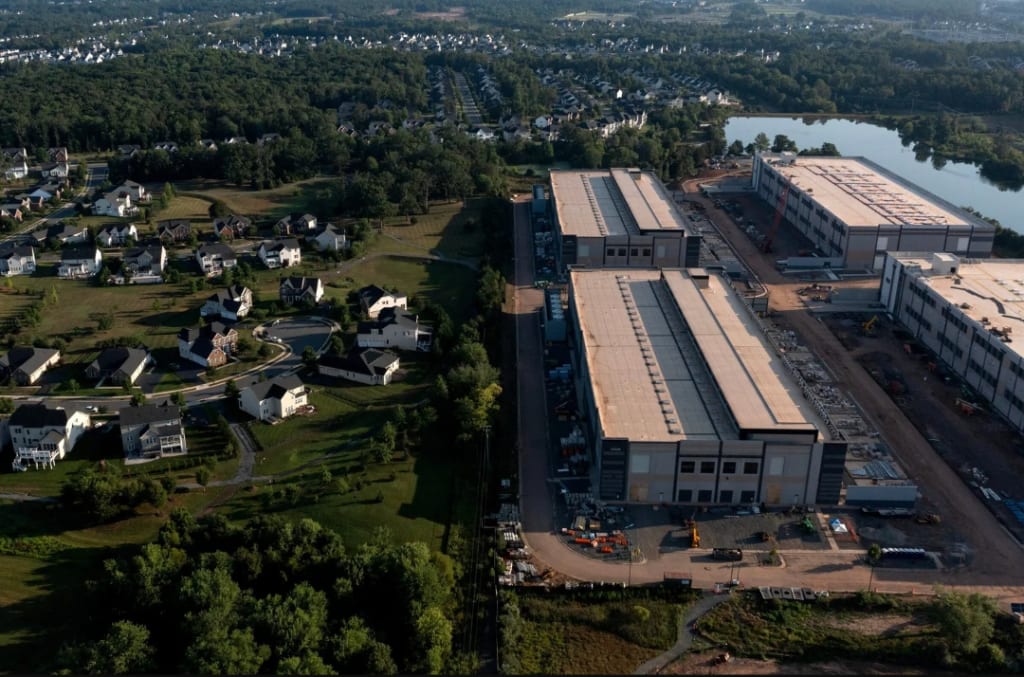
Amazon’s aggressive push into artificial intelligence is reshaping the company’s future—but it is also fueling growing concern among employees about layoffs, workplace climate, and long-term job security. While the tech giant positions AI as a transformative force that will boost efficiency and innovation, many workers fear they are paying the price for this transition.
The tension highlights a broader debate playing out across the global tech industry: how to balance rapid AI advancement with ethical responsibility toward employees.
Amazon’s Expanding AI Strategy
Amazon has made artificial intelligence a central pillar of its business strategy. From AI-powered recommendation engines and warehouse automation to advanced cloud-based tools offered through Amazon Web Services (AWS), the company is investing billions to stay competitive in an intensifying AI arms race.
Leadership has emphasized that AI will improve productivity, streamline operations, and unlock new revenue streams. Generative AI tools, automation software, and data-driven decision systems are being integrated across departments, fundamentally changing how work is done at Amazon.
However, these changes are not happening in isolation—and their impact on employees is becoming increasingly visible.
Layoff Fears Intensify
Amazon has already conducted multiple rounds of layoffs over the past two years, affecting tens of thousands of workers across corporate, retail, and technical teams. As AI adoption accelerates, many employees fear further job cuts are inevitable.
Workers report anxiety that roles involving analysis, coordination, customer service, and middle management are particularly vulnerable to automation. Even highly skilled professionals worry that AI tools could replace or significantly reduce the need for certain positions.
While Amazon maintains that AI is meant to “augment” rather than replace human workers, the scale of recent layoffs has made many employees skeptical of those assurances.
Workplace Climate Under Pressure
Beyond job security, Amazon’s AI push is also affecting workplace morale. Employees describe an environment marked by uncertainty, increased performance pressure, and reduced trust in leadership.
Internal communications emphasizing efficiency and automation have, according to some workers, created a sense that human contribution is being devalued. The constant emphasis on doing more with fewer resources has intensified workloads for those who remain, contributing to burnout and stress.
Employee advocacy groups argue that technological transformation should include transparent communication and meaningful engagement with workers—something they say has been lacking.
Amazon’s Perspective: Efficiency and Survival
From Amazon’s standpoint, the AI push is not optional—it is essential. The company faces fierce competition from other tech giants and startups that are rapidly deploying AI at scale. Falling behind could threaten Amazon’s long-term dominance in e-commerce, cloud computing, and logistics.
Executives argue that restructuring and automation are necessary to remain competitive in a changing market. They also point to investments in upskilling programs designed to help employees transition into new, AI-related roles.
However, critics question whether these programs can realistically absorb the number of workers displaced by automation.
A Broader Tech Industry Trend
Amazon’s situation reflects a wider trend across Silicon Valley. Major tech companies are simultaneously investing heavily in AI while reducing headcount. The result is a paradox: record spending on innovation alongside widespread job insecurity.
Economists warn that while AI can drive productivity gains, rapid deployment without adequate workforce planning risks deepening inequality and destabilizing labor markets. Employees are often expected to adapt quickly, even as roles disappear faster than new ones are created.
Amazon’s scale makes it a particularly influential case study in how AI-driven restructuring affects corporate culture.
Ethical Questions Around AI and Employment
The growing unease among Amazon employees raises ethical questions about the social cost of AI. Should companies that benefit enormously from automation bear greater responsibility for worker transition and protection? How transparent should employers be about the role AI plays in layoffs?
Labor advocates argue that companies must do more than offer severance packages. They call for clearer timelines, retraining commitments, and internal mobility pathways that allow workers to move into emerging roles rather than being pushed out.
Amazon’s response to these concerns could set a precedent for how other corporations handle AI-driven change.
The Role of AWS and AI Investment
Much of Amazon’s AI focus is centered on AWS, which has become a key growth engine. Enterprises worldwide are turning to AWS for AI infrastructure, machine learning tools, and data services.
While AWS’s success strengthens Amazon financially, it also reinforces the shift away from labor-intensive operations. As cloud and AI services scale, the company’s workforce composition is changing—favoring specialized engineers over broader corporate roles.
This transition, though strategic, leaves many employees uncertain about where they fit in Amazon’s future.
What Employees Want
At the heart of the issue is trust. Employees want transparency about how AI will affect their jobs, realistic opportunities to reskill, and reassurance that human workers still matter in an increasingly automated organization.
Clear communication, phased transitions, and genuine investment in people—not just technology—are seen as critical to restoring confidence.
Conclusion: Innovation at a Human Cost?
Amazon’s AI push is reshaping one of the world’s most powerful companies, but it is also exposing the human cost of rapid technological change. As layoffs and workplace anxiety grow, the challenge for Amazon is not just to lead in AI—but to prove that innovation and employee well-being do not have to be mutually exclusive.
How Amazon navigates this moment will influence not only its workforce, but also the broader conversation about AI, jobs, and the future of work in the digital age.
About the Creator
Asad Ali
I'm Asad Ali, a passionate blogger with 3 years of experience creating engaging and informative content across various niches. I specialize in crafting SEO-friendly articles that drive traffic and deliver value to readers.
Iran’s President Pezeshkian Warns of Regional Instability Amid US Threats
Tehran says pressure and military posturing risk igniting wider conflict as tensions mount across the Middle East Iranian President Masoud Pezeshkian has issued a stark warning that escalating threats and pressure from the United States could push the Middle East toward a new phase of regional instability, reigniting fears of broader conflict at a time when the region is already grappling with multiple crises. His remarks come against the backdrop of heightened US-Iran tensions, ongoing wars in Gaza and Ukraine, fragile political balances in Iraq and Lebanon, and growing uncertainty over global energy markets.
By Salaar Jamalia day ago in The Swamp



Comments
There are no comments for this story
Be the first to respond and start the conversation.