
Ahead of the Winter Olympics, Milan Wins Gold in Gentrification
Olympic ambitions reshape Milan — and push longtime residents out Urban renewal or social displacement? Milan’s makeover sparks debate Luxury developments surge as housing becomes scarce How the Games are accelerating Milan’s housing crisis From industrial zones to elite districts, a city changes fast Local communities fear they are paying the price for global prestige The hidden cost of hosting the Winter Olympics When sport meets real estate: Milan’s social struggle

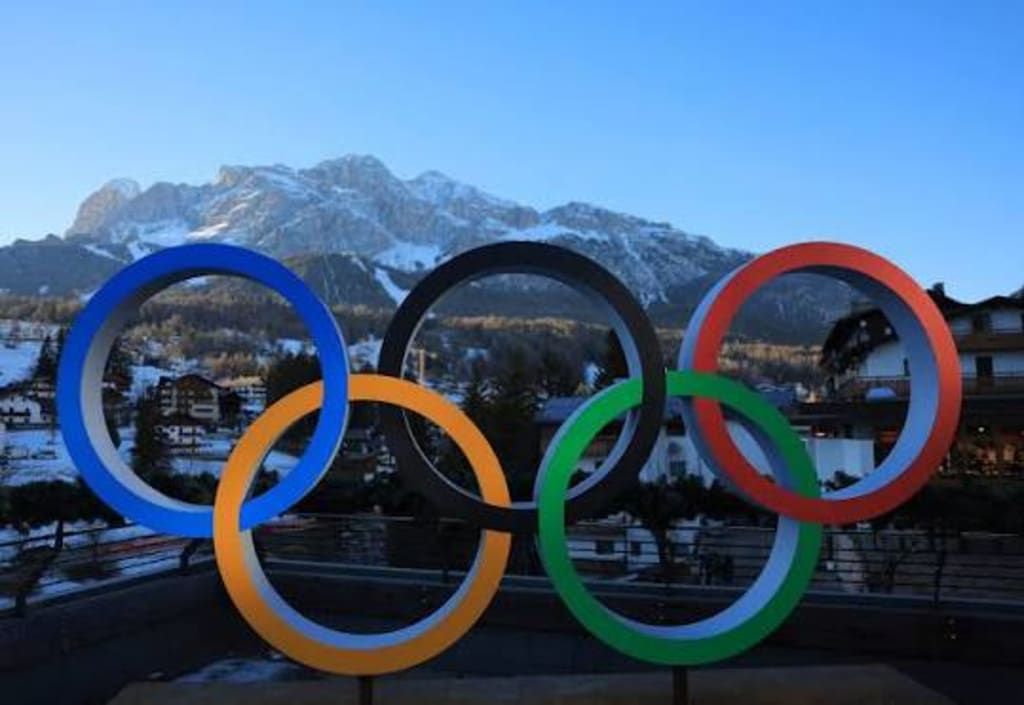
With less than two years until the Winter Olympics arrive in northern Italy, Milan is undergoing a transformation as dramatic as any athletic competition. New rail lines, luxury developments and polished public spaces are reshaping the city’s skyline. But as cranes rise and construction accelerates, critics say Milan is also winning an unintended “gold medal” in gentrification — displacing long-time residents and redefining entire neighborhoods in the name of global prestige.
The 2026 Winter Olympics, jointly hosted by Milan and Cortina d’Ampezzo, were billed as a catalyst for sustainable growth and urban renewal. City officials promised improved infrastructure and economic opportunities. Yet for many locals, the benefits have come at a steep social cost.
A City Remade for the World
In districts such as Porta Romana and Scalo Farini, former industrial zones have been converted into sleek residential complexes, cultural venues and corporate offices. Olympic villages, once promoted as affordable housing for athletes and later for residents, are increasingly tied to private investors and high-end real estate projects.
“Milan is becoming a city for tourists and executives, not for families,” said Elena Rossi, a community organizer in the Navigli area, where rents have surged by more than 30 percent in five years. “People who lived here for decades can no longer afford their own neighborhoods.”
According to housing advocacy groups, property values around planned Olympic sites have climbed faster than in any other Italian city. Landlords are converting long-term rentals into short-term tourist accommodations in anticipation of the Games, further shrinking the supply of affordable housing.
Infrastructure or Investment Opportunity?
Supporters of the redevelopment argue that Milan is finally catching up to other global cities in terms of modern transport and urban design. New metro extensions, renovated train stations and pedestrian-friendly streets are widely praised by business leaders.
“The Olympics give us the chance to modernize,” said a senior official from Milan’s urban planning department. “These projects would take decades without international investment and visibility.”
But critics counter that modernization has become a code word for profit-driven development. Public funds earmarked for Olympic preparation have flowed into partnerships with real estate firms, creating what some activists call a “two-speed city” — one polished and wealthy, the other increasingly marginalized.
Who Benefits?
The neighborhoods closest to Olympic venues are seeing the sharpest changes. In Porta Romana, where the Olympic Village is being built on former rail yards, trendy cafes and luxury apartments have replaced workshops and small family businesses.
Local shop owner Marco De Santis said his rent has doubled since plans were announced. “They tell us this is progress,” he said. “But progress for whom? My customers are disappearing, replaced by people who don’t live here, only pass through.”
Students and migrant workers have been hit particularly hard. Milan already struggles with housing shortages due to its large university population. The Olympic construction boom has intensified competition for rooms and apartments, pushing many to move to distant suburbs.
Lessons from Past Olympics
Urban scholars note that Milan’s experience mirrors patterns seen in other Olympic host cities. From Barcelona to Rio de Janeiro, major sporting events have often triggered waves of redevelopment that benefit investors while displacing vulnerable residents.
“The Olympics accelerate trends that are already underway,” said Professor Lucia Ferraro, an urban studies expert at Bocconi University. “Milan was already becoming more exclusive. The Games simply poured fuel on the fire.”
Ferraro added that promises of long-term social housing frequently fall short once the event ends. Olympic villages are often sold to private developers rather than converted into affordable homes, despite early pledges.
City Hall Defends Its Strategy
Milan’s municipal government insists it is aware of the risks and is trying to balance growth with social responsibility. Officials point to new public housing projects and rent-control experiments aimed at easing pressure on low-income residents.
“We are not blind to the challenges,” said Deputy Mayor for Urban Development Giulia Bianchi. “But refusing investment is not an option. The task is to guide it in a way that serves the whole city.”
She acknowledged, however, that market forces are difficult to control once international attention turns to a city. “The Olympics create expectations. Investors arrive quickly, and regulation takes time.”
A Cultural Shift
Beyond economics, many residents say Milan’s identity is changing. Once known for its working-class neighborhoods and local markets, the city is increasingly shaped by luxury brands, corporate towers and short-term visitors.
“You feel like a guest in your own home,” said retired teacher Paolo Mancini, who recently moved out of the Brera district after his landlord sold the building. “The soul of the city is being replaced by a postcard version of itself.”
Street art collectives and grassroots groups have begun organizing protests and public discussions about the social cost of the Olympics. Their message is not opposition to sport, but concern over who gets to remain in the city once the spotlight fades.
A Golden Future or a Divided City?
As Milan races toward the Winter Olympics opening ceremony, the contrast between shiny new developments and growing social tension is becoming harder to ignore. The city may emerge with world-class infrastructure and global recognition, but it also risks becoming less livable for those who built its communities.
The true legacy of the Games will not be measured only in medals or visitor numbers, critics argue, but in whether Milan can remain a city for its residents as well as for the world.
For now, the cranes continue to rise, the streets grow more polished, and the price of belonging climbs higher. In the competition between global ambition and local life, Milan appears to be winning — but at a cost that many fear will last long after the Olympic flame is extinguished.
About the Creator
Fiaz Ahmed
I am Fiaz Ahmed. I am a passionate writer. I love covering trending topics and breaking news. With a sharp eye for what’s happening around the world, and crafts timely and engaging stories that keep readers informed and updated.
Keep reading
More stories from Fiaz Ahmed and writers in The Swamp and other communities.
French Prosecutors Ask Appeal Court to Keep Ban on Marine Le Pen Running for Office
French prosecutors have formally requested that an appeals court uphold a ruling barring far-right leader Marine Le Pen from running for public office, a move that could dramatically reshape France’s political landscape ahead of future elections. The request follows a lower court decision that found Le Pen guilty of misuse of public funds linked to her party’s management of European Parliament resources. The ruling included a ban on holding or seeking public office, along with a suspended prison sentence and a substantial fine. Le Pen has denied wrongdoing and vowed to fight the verdict, calling it a politically motivated attempt to remove her from democratic competition. The Paris Court of Appeal is expected to consider the prosecutors’ submission in the coming months, with a final decision likely before France’s next major electoral cycle. A Case with Major Political Consequences Le Pen, the longtime leader of the National Rally party and a three-time presidential candidate, remains one of the most influential figures in French politics. Polls consistently place her or her party near the top in voter support, particularly among working-class and rural voters frustrated with inflation, immigration and public services. If the ban is upheld, Le Pen would be legally prevented from standing in any election, including a potential 2027 presidential run. Analysts say this would create an unprecedented vacuum on the French far right and force her party to accelerate its search for a successor. Prosecutors argued that the ban is justified by the seriousness of the offense and the need to protect public trust in political institutions. “This case concerns the misuse of European public funds over several years,” a judicial source said. “The sanction reflects the gravity of the breach and the importance of accountability for elected officials.” Allegations of Misuse of EU Funds The case centers on accusations that Le Pen and senior members of her party improperly used money allocated for European Parliament assistants to pay party staff in France. Investigators said the funds were diverted away from legitimate parliamentary work and instead supported the party’s national operations. Le Pen has consistently rejected the charges, saying the case involves administrative disagreements rather than fraud. “This is not justice, it is political warfare,” she said after the initial verdict. “They want to stop me from representing millions of French people who vote for us.” Her legal team has argued that the ruling violates democratic principles by excluding a major opposition figure from elections. They insist that any punishment should be limited to financial penalties rather than political disqualification. Prosecutors Push Back In their appeal submission, prosecutors countered that the ban is proportionate and necessary to deter abuse of public resources. “Public office requires exemplary conduct,” prosecutors wrote, according to court sources. “When that trust is broken, sanctions must be strong enough to restore confidence in democratic institutions.” They also rejected claims of political bias, noting that the judiciary operates independently and that similar penalties have been imposed in past corruption cases involving politicians from across the political spectrum. Legal experts say the appeal court will weigh both the legal basis of the conviction and the broader implications of barring a leading political figure from office. “This is not just a legal matter, it’s a constitutional and political one,” said a Paris-based constitutional lawyer. “The court must balance the rule of law with the democratic impact of its decision.” Reactions Across the Political Spectrum The case has sparked fierce debate in France. Supporters of Le Pen accuse the government and judiciary of trying to neutralize a popular opponent through the courts. They point to her strong polling numbers as evidence that the ruling undermines voters’ will. “This is an attack on democracy,” said Jordan Bardella, president of the National Rally party. “They cannot defeat us at the ballot box, so they try to defeat us in the courtroom.” Government officials have avoided direct comment on the case, stressing the independence of the judiciary. President Emmanuel Macron’s office reiterated that “the courts decide according to the law, not political convenience.” Opposition figures on the left and center have offered mixed reactions. Some welcomed the ruling as proof that no one is above the law. Others expressed concern that banning a major political leader could fuel distrust and conspiracy theories among voters. Impact on the Far Right If Le Pen is disqualified, attention will turn to Bardella, a rising figure within the party who has cultivated a more youthful and media-friendly image. While popular among younger supporters, he lacks Le Pen’s experience and national recognition. Political analysts say the party could struggle to maintain unity without its longtime figurehead. “Marine Le Pen is not just a candidate, she is the brand,” said one political strategist. “Removing her would force a redefinition of the far-right movement in France.” However, some observers believe the controversy could strengthen the National Rally by portraying it as a victim of elite institutions. “Martyrdom has historically benefited populist movements,” said a political scientist at Sciences Po. “This could energize their base rather than weaken it.” Awaiting the Court’s Decision The appeals court is not expected to rule immediately, but the prosecutors’ request ensures the case will remain at the center of political debate for months to come. For Le Pen, the stakes could not be higher. A confirmed ban would mark the end of her personal presidential ambitions after more than a decade of campaigning. For France, the outcome could reshape the 2027 election and redefine the boundaries between justice and politics. As the country watches the legal process unfold, the case highlights a fundamental tension in modern democracies: how to enforce accountability while preserving the right of voters to choose their leaders. Whether the court sides with prosecutors or overturns the ban, the decision is certain to leave a lasting impact on France’s political future.
By Fiaz Ahmed 4 days ago in The Swamp
Why Black History Matters in America?
The United States of America is celebrating their 250th anniversary in 2026. I'm proud to be an American and as someone who was born here, I wouldn't imagine myself living anywhere else. This is a country where opportunities are possible. Where anyone can be successful in anything they desire to do. Equality, community, and togetherness are the backbones of what America is and should be about. However, we have an administration who wants to erase and disregard those who have made positive, meaningful impacts in our country, specifically Black figures, such as Martin Luther King, Jr., Rosa Parks, and Maya Angelou. President Trump and his administration have been constantly complaining and fighting against what they call the "Woke agenda". They use this excuse as a distraction from other issues they refuse to address, such as the high cost of living, climate change, and inflation. That equality is dividing America, when in reality, it's bringing us together. Being woke is not tied to a specific political party. No matter where you stand on the political spectrum, you can still care about other people and their plights. Compassion and empathy for others isn't tied to a political party, either. We were taught as children to treat others the way we want to be treated and not judge others because they're different from us. Caring about others isn't a personal attack on your beliefs. It doesn't make you any less of a person. People who are easily offended over African American figures, past or present, or anything related to it, are grasping at straws. Current and future generations need to know who people like Harriet Tubman and Shirley Chisholm were, especially in the classroom. Black History is part of American History. It should be recognized, not hidden or forgotten. Besides, you can't shield children from everything, just because your feelings are easily hurt.
By Mark Wesley Pritchard 6 days ago in The Swamp
The Lesions of Devotion
Every day I set myself down on the freshly cut lawn and strip myself bare. I take my guitar and finger the frets and pick at the strings, listening for dissonance. My life is dissonance. I twist the tuning pegs until each string sounds bright. Then I kneel, calves pointing behind me, kneecaps facing forward. All exposed to the breeze. I close my eyes and play the melody.
By Paul Stewarta day ago in Fiction




Comments
There are no comments for this story
Be the first to respond and start the conversation.